

Understanding OEM Toilet Tank to Bowl Bolts: Essential Insights for Your Plumbing Needs
Release Time:
May 16,2025
Source:
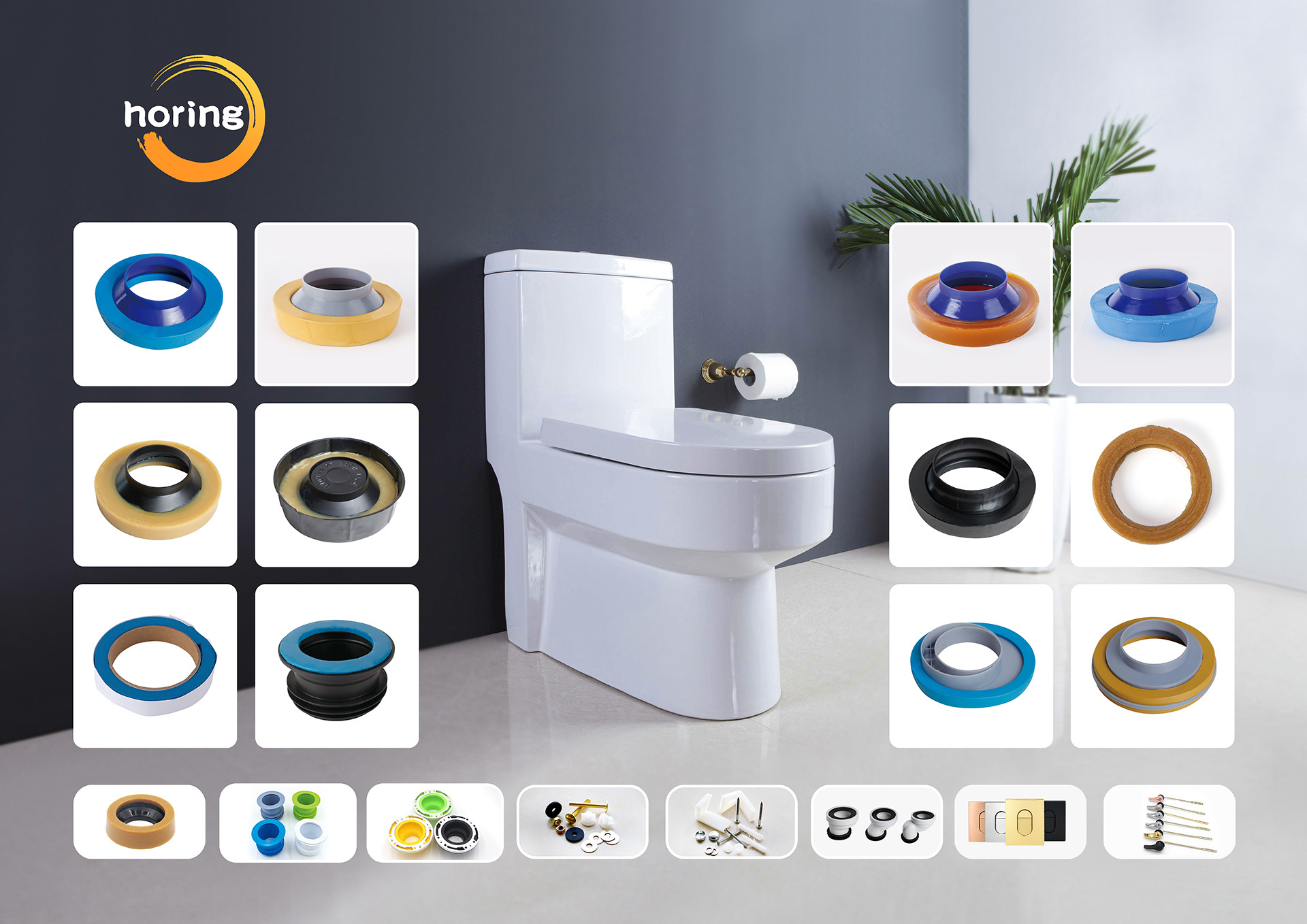
When it comes to toilet installations, the role of OEM toilet tank to bowl bolts cannot be underestimated. These bolts are essential fasteners that secure the toilet tank to the bowl, ensuring a stable and leak-free connection. Understanding their importance and functionality can greatly enhance your plumbing knowledge and assist in maintenance or installation projects.
OEM stands for Original Equipment Manufacturer, which implies that these bolts are specifically designed to fit certain toilet models and brands. This precision in design is crucial, as using the right bolts ensures compatibility and integrity in the assembly of your toilet system. Using generic or incorrect bolts can lead to issues such as leaks, instability, or even complete failure of the toilet mechanism.
Typically made from materials like stainless steel, brass, or plastic, OEM toilet tank to bowl bolts are engineered to withstand the constant stresses of use and the harsh environments often found in bathrooms. Stainless steel bolts, for instance, offer excellent resistance to corrosion, making them a popular choice for long-term durability. Brass bolts, on the other hand, provide a classic look and are often used in more decorative installations, while plastic bolts are lightweight and rust-resistant, suitable for specific applications.
Installation of these bolts is straightforward, yet it is vital to follow proper procedures to ensure optimal function. Usually, the installation process involves placing a rubber gasket on the bolt, inserting it through the tank and bowl, and tightening the nut securely. However, care should be taken to avoid over-tightening, as this can crack the porcelain of the toilet. Using a torque wrench can help ensure that the bolts are tightened to the manufacturer's specifications.
Regular maintenance of these bolts is also essential. Over time, the seals can wear out, leading to leaks. It’s advisable to periodically check for signs of wear or corrosion, especially in older toilets. If you notice any water pooling around the base of the tank or bowl, it could indicate that the bolts need replacement. In such cases, sourcing OEM toilet tank to bowl bolts from reputable suppliers ensures that you are getting the right fit and quality.
In conclusion, OEM toilet tank to bowl bolts play a pivotal role in the functionality and longevity of your toilet system. By understanding their importance, materials, and maintenance needs, you can ensure a reliable plumbing installation that lasts for years. Whether you are a professional plumber or a DIY enthusiast, knowledge of these fasteners can enhance your plumbing projects and prevent future complications.
OEM stands for Original Equipment Manufacturer, which implies that these bolts are specifically designed to fit certain toilet models and brands. This precision in design is crucial, as using the right bolts ensures compatibility and integrity in the assembly of your toilet system. Using generic or incorrect bolts can lead to issues such as leaks, instability, or even complete failure of the toilet mechanism.
Typically made from materials like stainless steel, brass, or plastic, OEM toilet tank to bowl bolts are engineered to withstand the constant stresses of use and the harsh environments often found in bathrooms. Stainless steel bolts, for instance, offer excellent resistance to corrosion, making them a popular choice for long-term durability. Brass bolts, on the other hand, provide a classic look and are often used in more decorative installations, while plastic bolts are lightweight and rust-resistant, suitable for specific applications.
Installation of these bolts is straightforward, yet it is vital to follow proper procedures to ensure optimal function. Usually, the installation process involves placing a rubber gasket on the bolt, inserting it through the tank and bowl, and tightening the nut securely. However, care should be taken to avoid over-tightening, as this can crack the porcelain of the toilet. Using a torque wrench can help ensure that the bolts are tightened to the manufacturer's specifications.
Regular maintenance of these bolts is also essential. Over time, the seals can wear out, leading to leaks. It’s advisable to periodically check for signs of wear or corrosion, especially in older toilets. If you notice any water pooling around the base of the tank or bowl, it could indicate that the bolts need replacement. In such cases, sourcing OEM toilet tank to bowl bolts from reputable suppliers ensures that you are getting the right fit and quality.
In conclusion, OEM toilet tank to bowl bolts play a pivotal role in the functionality and longevity of your toilet system. By understanding their importance, materials, and maintenance needs, you can ensure a reliable plumbing installation that lasts for years. Whether you are a professional plumber or a DIY enthusiast, knowledge of these fasteners can enhance your plumbing projects and prevent future complications.
Related News
Social Media

Contact Information
Add: No.28, Xinyuan Road, Jimei District, Xiamen, Fujian Province, China
Tel: 15960289358 (David)
Tel: 15980991191 (Bruce)
Email: Monica@horing-sanitary.com (Monica Lin)
Email: sales@horing-sanitary.com (David)
Email: sales1@horing-sanitary.com (Bruce)
All Rights Reserved © 2024 Xiamen Horing Sanitary Co.,Ltd .