
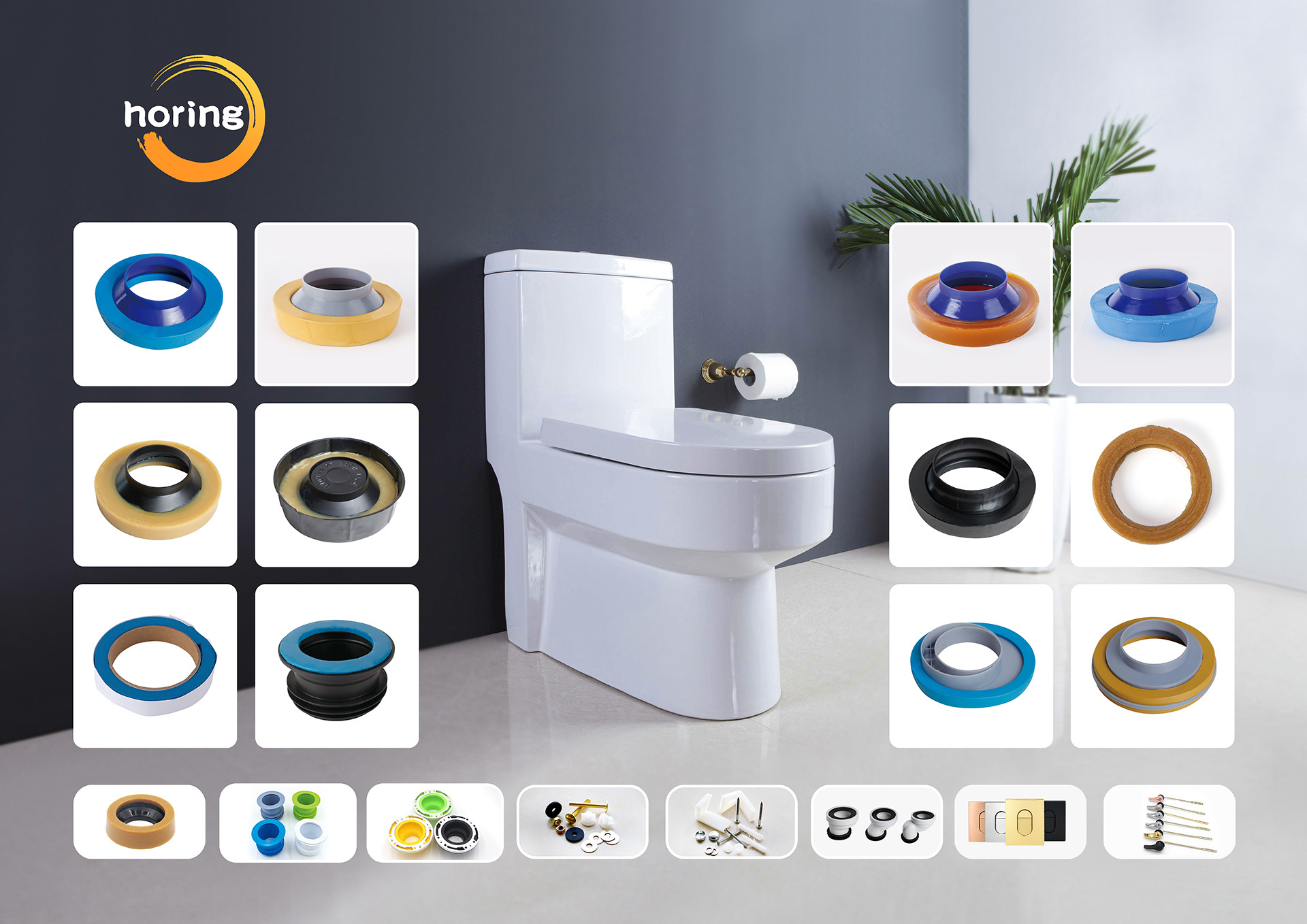

Wholesale Supply of Toilet Tank to Bowl Bolts: Essential Insights for Your Plumbing Needs
Release Time:
May 17,2025
Source:
Wholesale Supply of Toilet Tank to Bowl Bolts: Essential Insights for Your Plumbing Needs
Table of Contents
- 1. Introduction to Toilet Tank to Bowl Bolts
- 2. Importance of Quality Bolts in Plumbing
- 3. Types of Toilet Tank to Bowl Bolts
- 4. Installation Process for Toilet Tank to Bowl Bolts
- 5. Sourcing High-Quality Toilet Tank to Bowl Bolts
- 6. Maintenance Tips for Bolts and Connections
- 7. Frequently Asked Questions (FAQs)
- 8. Conclusion
1. Introduction to Toilet Tank to Bowl Bolts
The **toilet tank to bowl bolts** play a crucial role in maintaining the integrity of your toilet fixture. These bolts secure the tank to the bowl, ensuring that your toilet functions properly without leaks or disruptions. Understanding the importance of these components is paramount for both plumbing professionals and DIY enthusiasts. In this guide, we will cover everything from types and installation processes to sourcing quality bolts.
2. Importance of Quality Bolts in Plumbing
Quality bolts are essential in plumbing applications. A poorly constructed bolt can lead to several issues, including leaks, cracks, and even complete toilet failures. High-quality toilet tank to bowl bolts withstand the stresses of daily use and environmental conditions, providing longevity and reliability. When constructing or repairing a toilet, investing in quality parts is non-negotiable.
3. Types of Toilet Tank to Bowl Bolts
Toilet tank to bowl bolts come in various types, primarily differentiated by their materials and sizes. Understanding these distinctions can aid in selecting the right bolts for your specific needs.
3.1. Materials Used in Production
Typically, you will find toilet tank to bowl bolts made from the following materials:
- **Stainless Steel**: Known for its corrosion resistance and durability, making it a popular choice.
- **Brass**: Offers excellent strength and resistance to rust, often used in high-quality applications.
- **Plastic**: A cost-effective alternative that is resistant to corrosion but may not provide the same strength as metal options.
Choosing the right material for your bolts is crucial, especially in high-moisture environments where corrosion can significantly impact longevity.
3.2. Sizes and Dimensions
Toilet tank to bowl bolts are available in various sizes. Common dimensions include:
- **Length**: Typically ranges from 3 to 4 inches.
- **Diameter**: Common diameters include 1/4 inch and 3/8 inch.
Selecting the correct size is vital for ensuring a snug fit and preventing leaks during operation.
4. Installation Process for Toilet Tank to Bowl Bolts
Installing toilet tank to bowl bolts may seem straightforward, but attention to detail is necessary to ensure a proper installation that prevents leaks.
4.1. Tools Needed for Installation
Before you begin, gather the following tools:
- **Socket wrench** or adjustable wrench
- **Screwdriver**
- **Plumber's tape**
- **Level**
- **Bucket** (to catch any residual water)
Having these tools ready will streamline the installation process.
4.2. Step-by-Step Installation Guide
Here’s a detailed guide to installing toilet tank to bowl bolts:
1. **Turn Off Water Supply**: Start by shutting off the water supply to the toilet. This will prevent any spills during installation.
2. **Empty the Tank**: Flush the toilet to empty the tank. Use a sponge to soak up any remaining water.
3. **Remove Old Bolts**: Unscrew and remove the old bolts using a socket wrench. Dispose of them properly.
4. **Position New Bolts**: Align the new bolts with the holes in the toilet bowl. Make sure they're straight and properly positioned.
5. **Attach Washers and Nuts**: Place the washers onto the bolts, followed by the nuts. Hand-tighten them first.
6. **Secure with Wrench**: Use the socket wrench to tighten the nuts further, being careful not to over-tighten, which can crack the porcelain.
7. **Reattach the Tank**: Place the toilet tank back onto the bowl, aligning it with the newly installed bolts.
8. **Reconnect Water Supply**: Turn the water supply back on and check for leaks. Adjust if necessary.
Following these steps will ensure a reliable installation.
5. Sourcing High-Quality Toilet Tank to Bowl Bolts
Finding the right bolts is essential for any plumbing project. It's crucial to partner with reputable suppliers to ensure quality and reliability.
5.1. Finding Reliable Wholesale Suppliers
When looking for wholesale suppliers, consider the following:
- **Reputation**: Research potential suppliers for reviews and feedback.
- **Product Range**: Ensure they offer a variety of options in terms of materials and sizes.
- **Customer Service**: Good suppliers will provide support and assistance when needed.
Developing a relationship with a trusted supplier can save you time and money in the long run.
5.2. Cost Considerations
The costs of toilet tank to bowl bolts vary depending on material, size, and supplier. While it may be tempting to choose the cheapest option, remember that investing in quality components can prevent costly repairs down the line. Always compare prices and consider the value of durability and reliability.
6. Maintenance Tips for Bolts and Connections
Maintenance is key to prolonging the lifespan of your toilet tank to bowl bolts. Here are some tips:
- **Regular Inspections**: Periodically check for signs of corrosion or wear and tear.
- **Tightening**: Ensure bolts are tightened but avoid over-tightening.
- **Clean**: Keep the area clean and free of debris that could cause wear.
Proper maintenance can go a long way in ensuring a leak-free toilet system.
7. Frequently Asked Questions (FAQs)
What materials are best for toilet tank to bowl bolts?
Stainless steel and brass are the best materials due to their durability and resistance to corrosion.
How often should toilet tank to bowl bolts be replaced?
It’s advisable to inspect bolts annually and replace them every 5-10 years, or sooner if you notice signs of damage.
Can I install toilet tank to bowl bolts myself?
Yes, with the right tools and guidance, it's a project many DIY enthusiasts can handle.
What are the signs of a failing toilet tank to bowl bolt?
Common signs include water pooling around the base of the toilet and visible rust or corrosion on the bolts.
How do I prevent rust on my toilet tank to bowl bolts?
Using stainless steel or brass bolts can minimize rust. Regular maintenance and inspection also help.
8. Conclusion
Understanding the significance of toilet tank to bowl bolts is essential for ensuring proper toilet functionality and preventing costly repairs. By familiarizing yourself with the types, installation process, and maintenance tips for these crucial components, you can make informed decisions that will enhance your plumbing projects. Whether you are a contractor or a homeowner, knowing how to source quality bolts and perform installations will lead to lasting results and a reliable toilet system.
Related News
Social Media

Contact Information
Add: No.28, Xinyuan Road, Jimei District, Xiamen, Fujian Province, China
Tel: 15960289358 (David)
Tel: 15980991191 (Bruce)
Email: Monica@horing-sanitary.com (Monica Lin)
Email: sales@horing-sanitary.com (David)
Email: sales1@horing-sanitary.com (Bruce)
All Rights Reserved © 2024 Xiamen Horing Sanitary Co.,Ltd .