
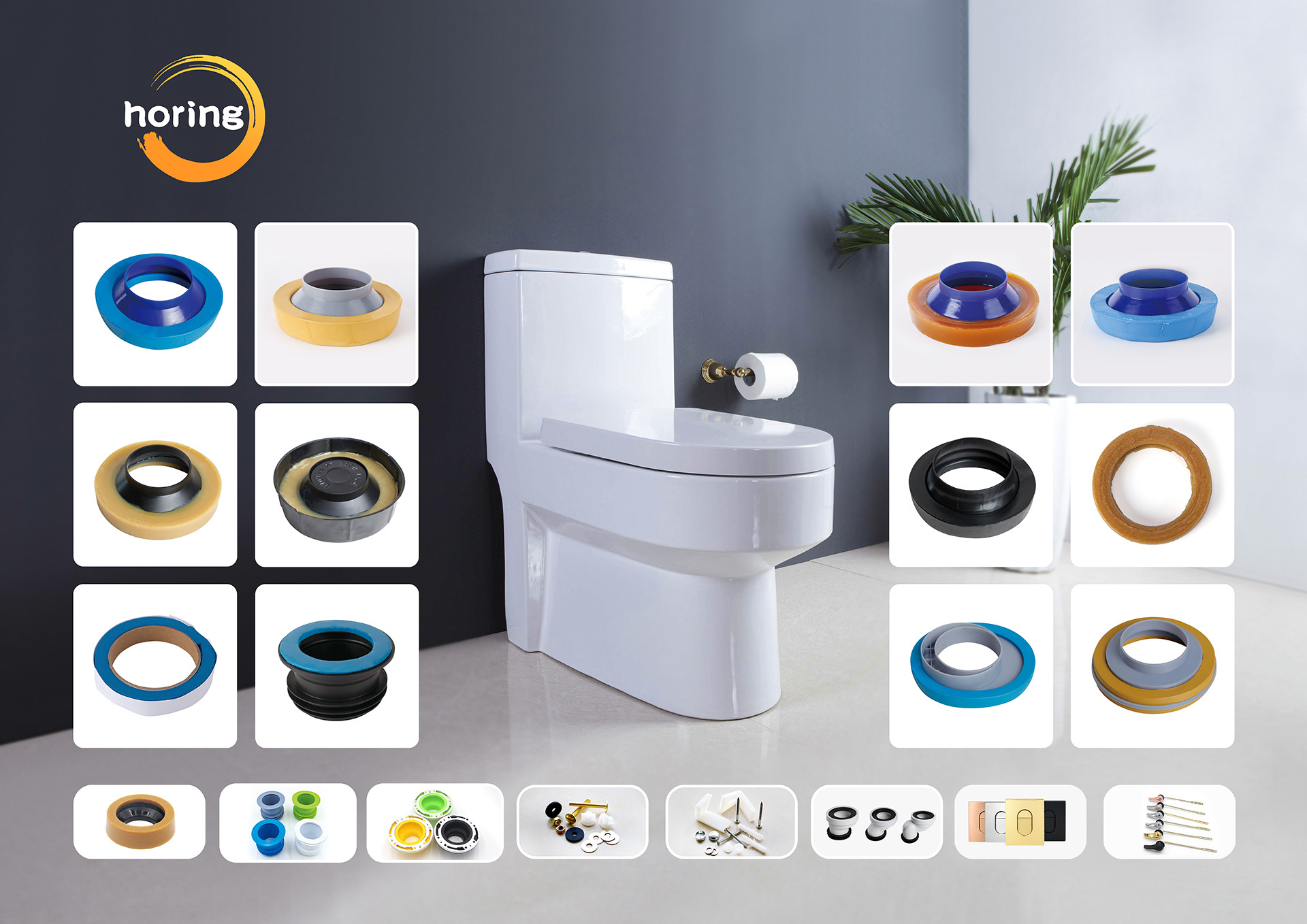

Classy Toilet Tank to Bowl Bolts: A Comprehensive Guide for DIY Enthusiasts
Release Time:
May 15,2025
Source:
Classy Toilet Tank to Bowl Bolts: A Comprehensive Guide for DIY Enthusiasts
When it comes to bathroom fixtures, the toilet is one of the most essential components in our homes. While it may not be the most glamorous item on your DIY list, understanding how to properly install and maintain toilet tank to bowl bolts can save you time, money, and unnecessary frustration. In this comprehensive guide, we will explore everything you need to know about these often-overlooked fixtures, ensuring that you can tackle your next DIY project with confidence.
Table of Contents
- Understanding Toilet Tank to Bowl Bolts
- The Importance of Quality Bolts
- Types of Toilet Tank to Bowl Bolts and Anchors
- Tools Required for Installation
- Step-by-Step Installation Guide
- Common Issues and Troubleshooting
- Maintenance Tips for Longevity
- Frequently Asked Questions
Understanding Toilet Tank to Bowl Bolts
Toilet tank to bowl bolts are critical components that secure the toilet tank to the bowl. They ensure that the tank remains stable during use and prevents water leaks. These bolts are typically made of durable materials like stainless steel or plastic to resist corrosion and wear. Understanding their function and importance is the first step in any DIY plumbing project.
The Importance of Quality Bolts
Using high-quality toilet tank to bowl bolts is paramount for several reasons:
- Durability: Quality materials resist rust and corrosion, ensuring a longer lifespan.
- Leak Prevention: Properly fitted and robust bolts reduce the risk of leaks, which can lead to costly repairs.
- Stability: Well-made bolts provide a secure fit, maintaining the integrity of your toilet setup.
Types of Toilet Tank to Bowl Bolts and Anchors
Choosing the right type of bolt is crucial for a successful installation. Here are the common types:
1. Stainless Steel Bolts
Stainless steel bolts are popular for their resistance to rust and corrosion. They are ideal for toilets located in humid environments.
2. Plastic Bolts
Plastic bolts are lightweight and resistant to corrosion. However, they may not be as durable as their stainless steel counterparts.
3. Rubber Washers
Rubber washers are often used in conjunction with bolts to create a watertight seal. They help prevent leaks between the tank and bowl.
4. Metal Anchors
Metal anchors provide additional support for toilet installations, especially on uneven surfaces.
Tools Required for Installation
Before starting your installation, ensure you have the following tools:
- Adjustable Wrench: Essential for tightening bolts.
- Socket Set: For securing nuts and bolts.
- Flathead and Phillips Screwdrivers: Useful for various tasks.
- Plumber’s Tape: Helps prevent leaks by sealing joints.
- Bucket or Towel: To catch any residual water.
Step-by-Step Installation Guide
Installing toilet tank to bowl bolts can be straightforward if you follow these steps:
Step 1: Gather Your Materials
Before you begin, ensure you have all necessary materials, including bolts, washers, nuts, and any additional tools.
Step 2: Turn Off the Water Supply
Locate the shut-off valve behind your toilet and turn it off. Flush the toilet to empty the tank, and use a towel to soak up any remaining water.
Step 3: Remove the Old Bolts
Using your wrench and screwdriver, carefully remove the old bolts and washers. Be cautious not to damage the porcelain.
Step 4: Install New Washers and Bolts
Place rubber washers onto the new bolts and insert them into the tank holes. Secure them with nuts from underneath the tank. Be careful not to overtighten.
Step 5: Reconnect the Water Supply
Reconnect the water supply line and turn the valve back on. Allow the tank to fill and check for leaks.
Step 6: Test the Installation
Flush the toilet several times to ensure everything is working correctly. Check for any leaks around the connections.
Common Issues and Troubleshooting
Even with the best materials and installation practices, issues may arise. Here are some common problems and their solutions:
1. Leaks
If you notice water pooling around the base of the toilet, it may be due to loose bolts or worn washers. Tighten the bolts and check the condition of the washers.
2. Tank Stability
If the tank wobbles, ensure that the bolts are evenly tightened and that any rubber washers are correctly positioned.
3. Difficulty Flushing
If the toilet does not flush properly, it may be due to improper installation of the tank. Double-check your work and ensure everything is securely in place.
Maintenance Tips for Longevity
To ensure your toilet tank to bowl bolts remain in top condition, consider these maintenance tips:
- Routine Checks: Periodically inspect the bolts and washers for signs of wear or corrosion.
- Keep It Clean: Regularly clean the toilet and surrounding areas to prevent buildup that can cause leaks.
- Address Issues Promptly: If you notice any leaks or instability, address the issue immediately to prevent further damage.
Frequently Asked Questions
1. How often should I replace toilet tank to bowl bolts?
It is advisable to check your bolts every few years and replace them if you see signs of rust or deterioration.
2. Can I use plastic bolts instead of metal ones?
Plastic bolts can be used, but they may not provide the same level of durability as metal options, especially in humid environments.
3. What should I do if my toilet keeps running?
A running toilet may indicate a problem with the flapper or the fill valve, but it can also be due to loose bolts. Check all connections.
4. Is it necessary to use plumber’s tape?
While not always necessary, plumber’s tape can help create a seal and prevent leaks at the water supply connection.
5. Can I install new bolts without removing the toilet?
In most cases, it is recommended to remove the toilet for better access and a proper installation, although some may attempt to do it in place.
Conclusion
Understanding and working with toilet tank to bowl bolts is an essential skill for any DIY enthusiast. By taking the time to choose quality materials, following a thorough installation process, and maintaining your setup, you can ensure a functional and leak-free toilet for years to come. Remember, the key to successful plumbing projects lies in meticulous preparation and execution. Armed with this guide, you are now ready to tackle your next toilet maintenance project with confidence!
Related News
Social Media

Contact Information
Add: No.28, Xinyuan Road, Jimei District, Xiamen, Fujian Province, China
Tel: 15960289358 (David)
Tel: 15980991191 (Bruce)
Email: Monica@horing-sanitary.com (Monica Lin)
Email: sales@horing-sanitary.com (David)
Email: sales1@horing-sanitary.com (Bruce)
All Rights Reserved © 2024 Xiamen Horing Sanitary Co.,Ltd .