

Essential Guide to Buying Rubber Rings: What You Need to Know
Release Time:
Feb 05,2025
Source:
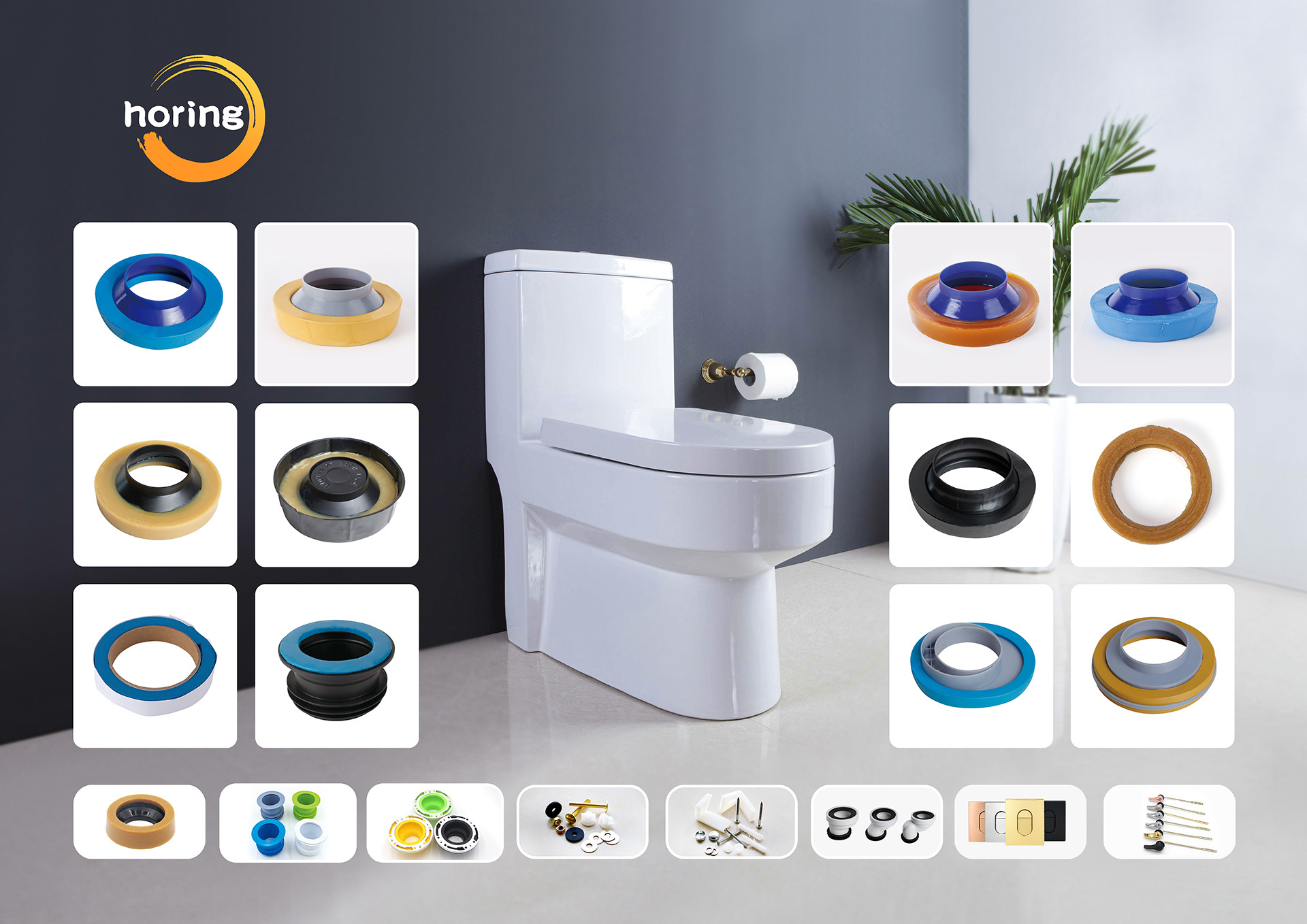
When considering the purchase of rubber rings, it is crucial to understand their various applications and the factors that can affect their performance. Rubber rings, also known as rubber seals or gaskets, are widely used in numerous industries, including automotive, aerospace, and chemical processing. They are designed to provide a tight seal between two surfaces, preventing the leakage of fluids or gases.
One of the first aspects to consider when looking to buy rubber rings is the type of rubber material. There are several common materials used in manufacturing rubber rings, such as natural rubber, neoprene, EPDM (ethylene propylene diene monomer), and silicone. Each type has unique properties that make it suitable for specific environments. For instance, silicone rubber is excellent for high-temperature applications, while EPDM is ideal for outdoor use due to its resistance to ozone and UV exposure.
In addition to material selection, you should also consider the size and dimensions of the rubber ring. It is essential to measure the diameter and thickness accurately to ensure a proper fit for your application. An ill-fitting rubber ring can lead to failure in sealing, resulting in leaks and potential damage to equipment or systems.
Another important consideration is the hardness of the rubber, indicated by its durometer rating. The durometer measures the material's resistance to indentation, which can affect the performance of the rubber ring under varying pressure and temperature conditions. Selecting the appropriate hardness is crucial for achieving optimal sealing performance.
When you buy rubber rings, be sure to evaluate the intended use and environmental factors. For example, if the rubber ring will be exposed to chemicals, it is vital to select a material that is chemically resistant. Various types are designed specifically for harsh environments, and understanding these characteristics will help you make a better choice.
Moreover, maintenance plays a significant role in the longevity and effectiveness of rubber rings. Regular inspections can help identify wear and tear, ensuring that replacements are made before any critical failures occur. Proper storage conditions, such as avoiding extreme temperatures and humidity, can also prolong the life of rubber rings.
In summary, when looking to buy rubber rings with a guide, keep in mind the material, size, hardness, intended use, and maintenance practices. By considering these factors, you can ensure that the rubber rings you select will meet your needs effectively and provide reliable sealing solutions in your applications. This guide serves as a starting point for making informed purchases in the rubber and chemical industries.
One of the first aspects to consider when looking to buy rubber rings is the type of rubber material. There are several common materials used in manufacturing rubber rings, such as natural rubber, neoprene, EPDM (ethylene propylene diene monomer), and silicone. Each type has unique properties that make it suitable for specific environments. For instance, silicone rubber is excellent for high-temperature applications, while EPDM is ideal for outdoor use due to its resistance to ozone and UV exposure.
In addition to material selection, you should also consider the size and dimensions of the rubber ring. It is essential to measure the diameter and thickness accurately to ensure a proper fit for your application. An ill-fitting rubber ring can lead to failure in sealing, resulting in leaks and potential damage to equipment or systems.
Another important consideration is the hardness of the rubber, indicated by its durometer rating. The durometer measures the material's resistance to indentation, which can affect the performance of the rubber ring under varying pressure and temperature conditions. Selecting the appropriate hardness is crucial for achieving optimal sealing performance.
When you buy rubber rings, be sure to evaluate the intended use and environmental factors. For example, if the rubber ring will be exposed to chemicals, it is vital to select a material that is chemically resistant. Various types are designed specifically for harsh environments, and understanding these characteristics will help you make a better choice.
Moreover, maintenance plays a significant role in the longevity and effectiveness of rubber rings. Regular inspections can help identify wear and tear, ensuring that replacements are made before any critical failures occur. Proper storage conditions, such as avoiding extreme temperatures and humidity, can also prolong the life of rubber rings.
In summary, when looking to buy rubber rings with a guide, keep in mind the material, size, hardness, intended use, and maintenance practices. By considering these factors, you can ensure that the rubber rings you select will meet your needs effectively and provide reliable sealing solutions in your applications. This guide serves as a starting point for making informed purchases in the rubber and chemical industries.
Related News
Social Media

Contact Information
Add: No.28, Xinyuan Road, Jimei District, Xiamen, Fujian Province, China
Tel: 15960289358 (David)
Tel: 15980991191 (Bruce)
Email: Monica@horing-sanitary.com (Monica Lin)
Email: sales@horing-sanitary.com (David)
Email: sales1@horing-sanitary.com (Bruce)
All Rights Reserved © 2024 Xiamen Horing Sanitary Co.,Ltd .