
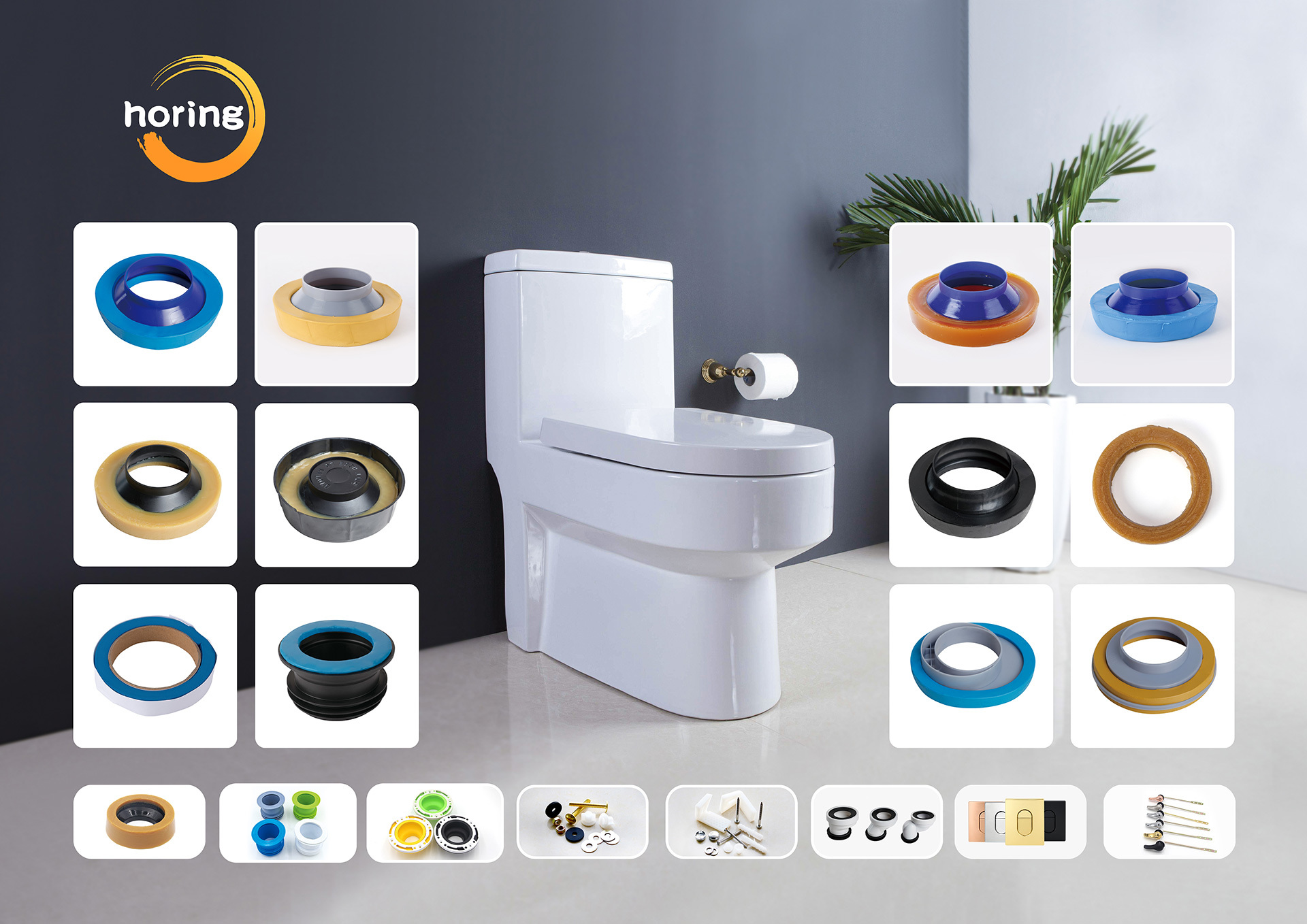

Unlocking Efficiency: The Essential Guide to Wholesale WC Pan Connectors
Release Time:
Feb 06,2025
Source:
1. Introduction to WC Pan Connectors
WC pan connectors, also known as toilet connectors, serve a vital role in your plumbing system. These connectors link the toilet pan to the waste pipe, facilitating the smooth discharge of waste. Choosing the right connector can significantly impact the efficiency and reliability of your plumbing setup. In this guide, we will delve deep into the world of wholesale WC pan connectors, exploring their types, benefits, and installation processes.
2. Importance of Choosing the Right WC Pan Connectors
Selecting the appropriate WC pan connector is crucial for several reasons:
- Preventing Leaks: A properly fitted connector ensures that waste and water do not leak, avoiding potential damage to your property.
- Enhancing Efficiency: The right connector optimizes the flow of waste, promoting efficient drainage.
- Aesthetics: Well-chosen connectors contribute to the overall appearance of your bathroom, ensuring that all elements align seamlessly.
3. Types of WC Pan Connectors
There are two primary types of WC pan connectors: flexible and rigid. Each type has its specific applications and benefits.
3.1 Flexible WC Pan Connectors
Flexible WC pan connectors supply are made from materials such as rubber or plastic, allowing them to bend and adjust to various angles. These connectors are ideal for situations where the toilet and the waste pipe are not perfectly aligned. Their advantages include:
- Ease of Installation: Flexible connectors can easily accommodate misalignments, simplifying the installation process.
- Durability: High-quality flexible connectors are resistant to wear and can withstand varying environmental conditions.
3.2 Rigid WC Pan Connectors
Rigid WC pan connectors are typically made from PVC or other hard plastics. They provide a straight and stable connection between the toilet and the waste pipe. Key benefits include:
- Stability: Rigid connectors offer a stable attachment, reducing the risk of disconnection.
- Reduced Odor: They provide a tight seal that can minimize unpleasant odors from sewage systems.
4. Key Specifications and Features
When selecting WC pan connectors, it is essential to consider several specifications:
- Diameter: Most WC pan connectors come with standard diameters, typically ranging from 4 inches to 6 inches. Ensure compatibility with both the toilet and the waste pipe.
- Material: Choose connectors made from high-quality, durable materials that can withstand prolonged exposure to moisture and waste.
- Length: The length of the connector should accommodate the distance between the toilet and the waste pipe without causing strain or bends.
5. Installation Process for WC Pan Connectors
Installing a WC pan connector is a straightforward process that can be accomplished in a few steps:
1. Preparation: Gather all necessary tools, including a wrench, sealant, and the chosen connector.
2. Remove the Old Connector: If you’re replacing an existing connector, carefully remove it without damaging the toilet or waste pipe.
3. Fit the New Connector: Position the new connector onto the toilet pan and align it with the waste pipe.
4. Secure the Connection: Use the appropriate sealing materials and tighten the connector securely.
5. Test for Leaks: Once installed, run water through the system to ensure there are no leaks.
6. Maintenance Tips for Longevity
To ensure your WC pan connectors remain functional over time, consider these maintenance tips:
- Regular Inspections: Check connections periodically for signs of wear or leaks.
- Cleanliness: Keep the area around the connectors clean to prevent debris buildup that can lead to blockages.
7. Common Issues and Troubleshooting
Understanding common issues with WC pan connectors can help you address problems quickly:
- Leaking Connections: If you notice leaks, check for proper installation and tightness of the connectors. Reapply sealant if necessary.
- Odor Issues: Persistent odors may indicate a failed seal. Replace the connector if the problem continues.
- Blockages: Regular maintenance and cleaning can help prevent blockages, but a plumbing snake may be necessary for severe cases.
8. Frequently Asked Questions
What is the lifespan of a WC pan connector?
The lifespan can vary, but high-quality connectors typically last between 10 to 20 years with proper maintenance.
Can I use any connector for my toilet?
No, it’s crucial to choose a connector that matches the specifications of your toilet and waste system.
Are flexible connectors better than rigid ones?
It depends on your installation needs. Flexible connectors are easier to install in misaligned situations, while rigid connectors provide stability.
How do I know if my connector is leaking?
Signs of a leak include water pooling around the base of the toilet or visible moisture on the connector.
Is professional installation necessary?
While many homeowners can handle installation, consulting a professional is advisable if you are uncertain or if plumbing issues are present.
9. Conclusion
Understanding and selecting the right WC pan connectors is essential for achieving a reliable plumbing system. This guide has equipped you with the knowledge to choose, install, and maintain your connectors effectively. By following the tips and insights provided, you can ensure that your WC pan connections are efficient, durable, and long-lasting. Prioritize quality and compatibility to unlock the full potential of your plumbing system.
Related News
Social Media

Contact Information
Add: No.28, Xinyuan Road, Jimei District, Xiamen, Fujian Province, China
Tel: 15960289358 (David)
Tel: 15980991191 (Bruce)
Email: Monica@horing-sanitary.com (Monica Lin)
Email: sales@horing-sanitary.com (David)
Email: sales1@horing-sanitary.com (Bruce)
All Rights Reserved © 2024 Xiamen Horing Sanitary Co.,Ltd .