
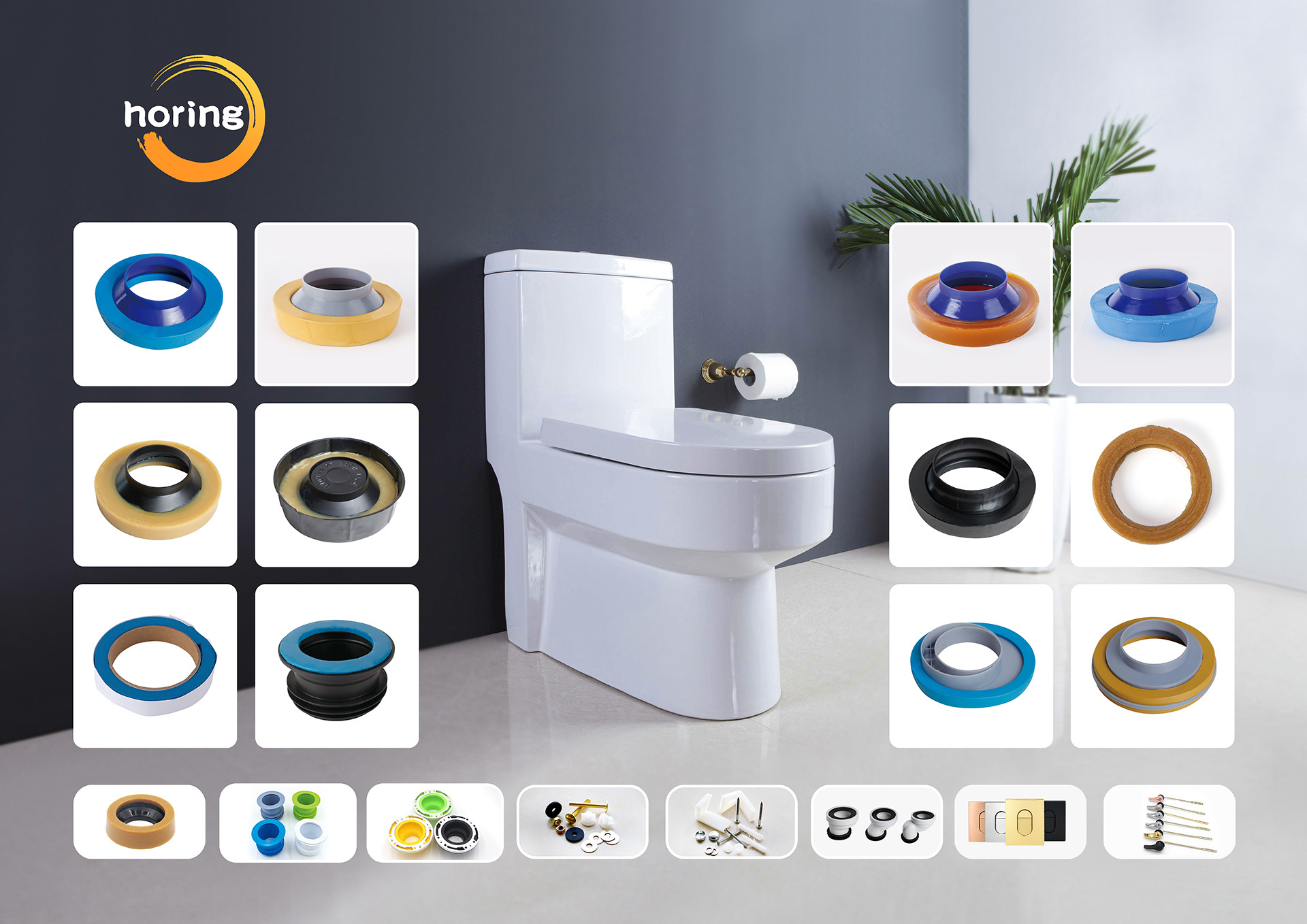

Discover the Benefits of Using Wax-Free Toilet Seals for Optimal Bathroom Performance
Release Time:
Jan 15,2025
Source:
Discover the Benefits of Using Wax-Free Toilet Seals for Optimal Bathroom Performance
Table of Contents
1. Introduction to Wax-Free Toilet Seals
2. The Advantages of Wax-Free Toilet Seals
2.1 Easy Installation Process
2.2 Enhanced Durability and Longevity
2.3 Improved Odor Control
2.4 Versatility with Different Toilet Designs
2.5 Cost-Effectiveness Over Time
3. How Wax-Free Toilet Seals Work
4. Installation Guide for Wax-Free Toilet Seals
4.1 Tools and Materials Needed
4.2 Step-by-Step Installation Process
5. Maintenance Tips for Wax-Free Toilet Seals
6. Common Issues and Troubleshooting
7. Frequently Asked Questions (FAQs)
8. Conclusion
1. Introduction to Wax-Free Toilet Seals
In the realm of plumbing, the importance of a reliable toilet seal cannot be overstated. A toilet seal serves as a crucial barrier between the toilet and the wastewater pipe, preventing leaks and unpleasant odors. Traditionally, wax seals have been the go-to option for homeowners and plumbers alike. However, wax-free toilet seals have emerged as a modern alternative that offers numerous benefits. In this article, we will explore how these innovative seals can transform your bathroom experience, providing durability, ease of installation, and superior performance.
2. The Advantages of Wax-Free Toilet Seals
When considering toilet seals, it's essential to weigh the advantages of wax-free options against traditional wax seals. Here, we outline the key benefits that make wax-free seals a prime choice for both new installations and replacements.
2.1 Easy Installation Process
One of the main advantages of wax-free toilet seals is their **user-friendly installation process**. Unlike wax seals, which require meticulous placement and a degree of skill to install correctly, wax-free seals often come with **self-aligning features** that streamline the installation. This means even novice DIYers can easily achieve a leak-proof fit, saving both time and frustration.
2.2 Enhanced Durability and Longevity
Wax-free toilet seals are crafted from high-quality materials that are **resistant to damage and wear**. Unlike traditional wax seals that can dry out over time, leading to cracking and leakage, wax-free options maintain their integrity for years. This durability ensures that homeowners won't have to worry about premature replacements and can enjoy peace of mind knowing their seal will last.
2.3 Improved Odor Control
A common complaint associated with wax seals is their potential to harbor odors if not installed correctly. Wax-free toilet seals, on the other hand, are designed to provide a **tight, leak-proof seal** that significantly reduces the likelihood of unpleasant smells escaping from the waste line. This feature contributes to a fresh and clean bathroom environment.
2.4 Versatility with Different Toilet Designs
Wax-free toilet seals are often more versatile than their wax counterparts. They can accommodate a wider range of toilet designs and flange heights, making them suitable for various installations. Whether you have a standard or an unconventional toilet setup, a wax-free seal can adapt to your needs seamlessly.
2.5 Cost-Effectiveness Over Time
While the upfront cost of wax-free toilet seals may be slightly higher than wax seals, their longevity and reduced maintenance requirements make them a **cost-effective choice** in the long run. Homeowners can save money on frequent replacements and repairs, ultimately making wax-free options a wise investment.
3. How Wax-Free Toilet Seals Work
Understanding the mechanics behind wax-free toilet seals can help you appreciate their advantages fully. These seals typically incorporate a **rubber or foam gasket** that provides a watertight seal between the toilet and the floor. The design allows for slight adjustments during installation, ensuring a perfect fit. Additionally, many wax-free seals use **a compression mechanism**, which helps to create a strong bond that minimizes the risk of leaks.
4. Installation Guide for Wax-Free Toilet Seals
Installing a wax-free toilet seal is a straightforward process. Below is a comprehensive guide to help you through the installation.
4.1 Tools and Materials Needed
Before starting, gather the following tools and materials:
- Wax-free toilet seal kit
- Adjustable wrench
- Screwdriver
- Plumber’s tape
- Cleaning supplies (to remove old seals and debris)
4.2 Step-by-Step Installation Process
1. **Remove the Old Toilet**: Start by turning off the water supply and flushing the toilet. Disconnect the water line and remove the toilet bolts. Carefully lift the toilet off the flange and set it aside.
2. **Clean the Flange**: Ensure the toilet flange is clean and free of debris. Remove any remnants of the old wax seal.
3. **Install the Wax-Free Seal**: Position the wax-free seal on the flange, ensuring it sits evenly without gaps. Follow the manufacturer’s instructions for proper placement.
4. **Reposition the Toilet**: Gently lower the toilet onto the wax-free seal, ensuring it is aligned with the flange. Press down firmly to compress the seal.
5. **Secure the Toilet**: Reattach the toilet bolts, tightening them gradually to avoid cracking the porcelain. Reconnect the water supply and turn on the water.
6. **Test for Leaks**: Flush the toilet and check for any leaks around the base. If everything is secure, your installation is complete!
5. Maintenance Tips for Wax-Free Toilet Seals
Though wax-free toilet seals require less maintenance than wax seals, it's essential to perform regular checks to ensure they remain in optimal condition. Here are some helpful tips:
- **Inspect Regularly**: Periodically check for signs of wear or leaks around the toilet base.
- **Clean Gently**: When cleaning the toilet, avoid harsh chemicals that could damage the seal.
- **Avoid Excessive Force**: When tightening bolts, apply even pressure to prevent cracking.
6. Common Issues and Troubleshooting
Even with the best products, issues can occasionally arise. Here are some common problems associated with wax-free toilet seals and their solutions:
- **Leakage**: If you notice water pooling around the base, ensure the seal is properly compressed and the toilet is securely bolted.
- **Odor Issues**: Persistent odors may indicate a problem with the toilet’s venting. Inspect the plumbing system to ensure proper ventilation.
7. Frequently Asked Questions (FAQs)
7.1 What is a wax-free toilet seal?
A wax-free toilet seal is a modern alternative to traditional wax seals, designed to create a watertight seal between the toilet and the flange.
7.2 Are wax-free toilet seals better than wax seals?
Wax-free seals offer several advantages, including easier installation, enhanced durability, and improved odor control.
7.3 How long do wax-free toilet seals last?
With proper installation and maintenance, wax-free toilet seals can last for many years without needing replacement.
7.4 Can I install a wax-free toilet seal myself?
Yes, wax-free toilet seals are designed for easy installation, making them suitable for DIY enthusiasts.
7.5 How do I know if my wax-free seal is leaking?
Signs of a leaking seal include water pooling around the toilet base or persistent odors emanating from the waste line.
8. Conclusion
In summary, wax-free toilet seals present a compelling alternative to traditional wax seals, offering numerous advantages such as easier installation, enhanced durability, and improved odor control. By opting for a wax-free seal, homeowners can enjoy a leak-proof and hassle-free bathroom experience for years to come. Whether you are renovating your bathroom or simply replacing an old seal, choosing a wax-free option is a decision that will pay off in the long run. Embrace the benefits of modern technology and make the switch to wax-free toilet seals today!
Related News
Social Media

Contact Information
Add: No.28, Xinyuan Road, Jimei District, Xiamen, Fujian Province, China
Tel: 15960289358 (David)
Tel: 15980991191 (Bruce)
Email: Monica@horing-sanitary.com (Monica Lin)
Email: sales@horing-sanitary.com (David)
Email: sales1@horing-sanitary.com (Bruce)
All Rights Reserved © 2024 Xiamen Horing Sanitary Co.,Ltd .