
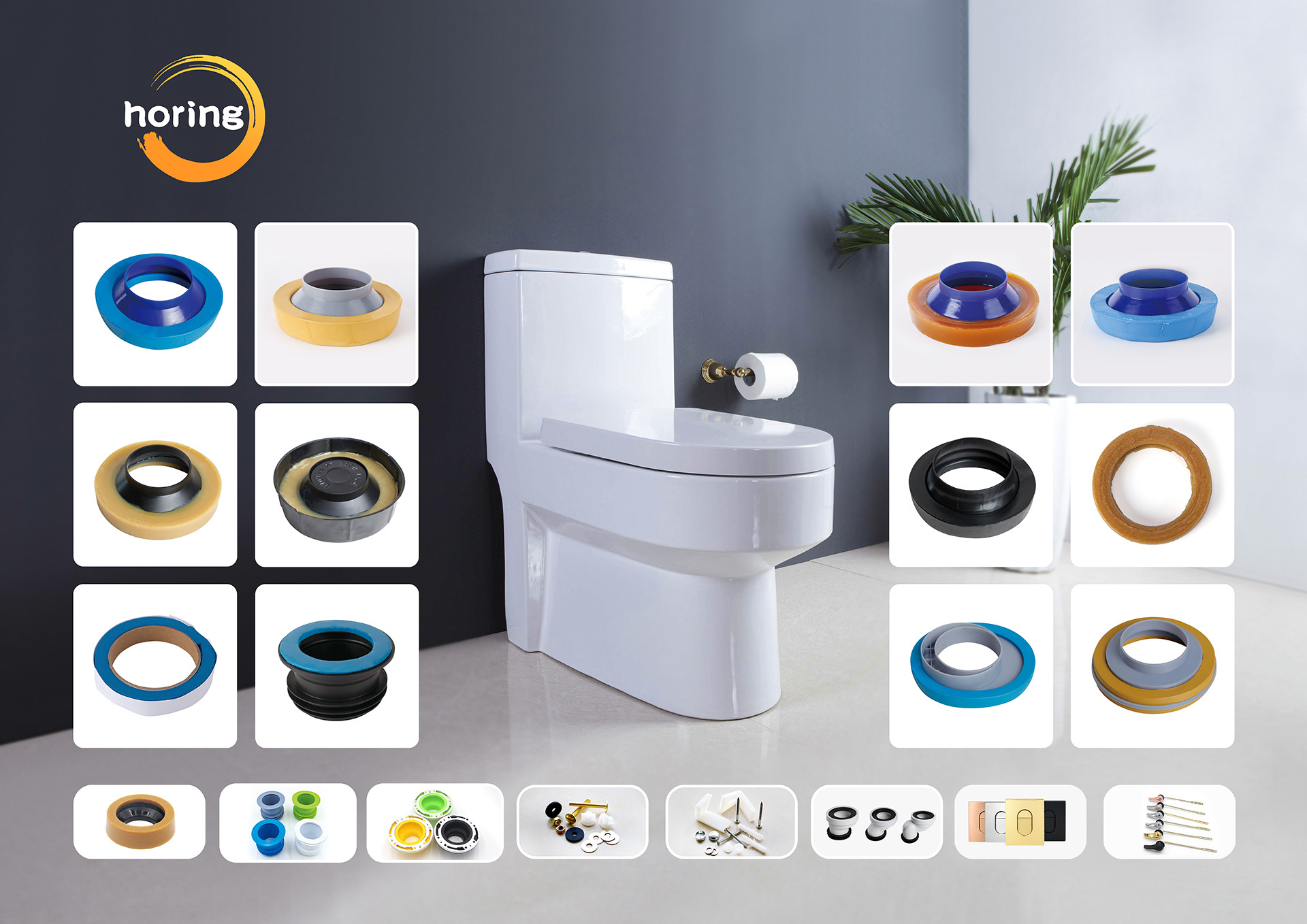

Customizing Rubber Rings: A Comprehensive Guide for Optimal Performance
Release Time:
Jan 16,2025
Source:
When it comes to the chemical industry and the use of rubber rings, customization is an essential aspect that can significantly impact the overall performance and reliability of the product. A custom rubber ring with guide can provide unique benefits tailored to meet specific operational requirements. This article delves into the important considerations for customizing rubber rings to ensure they suit your needs perfectly.
Firstly, it is crucial to choose the right material for your rubber ring. Various types of rubber, such as natural rubber, neoprene, and silicone, offer distinct properties that make them suitable for different environments and applications. For instance, silicone rubber is known for its excellent thermal stability and flexibility, making it ideal for high-temperature applications. In contrast, neoprene provides good chemical resistance and is often used in applications involving oils and solvents.
Another critical factor in customizing rubber rings is the design. A well-designed rubber ring with guide can facilitate better alignment and sealing, which is essential in preventing leaks and ensuring the integrity of your system. The design should consider the specific dimensions and tolerances required for your application, as even minor deviations can affect performance.
The hardness or durometer of the rubber is another important consideration. Different applications may require varying levels of hardness to achieve optimal sealing and durability. For example, softer rubber rings are generally more compressible and can create a tighter seal, while harder rubber rings offer more resilience and wear resistance.
Additionally, the temperature and pressure conditions under which the rubber ring will operate are vital for customization. Understanding the operational environment allows you to select a rubber compound that can withstand extreme conditions, such as high pressures or frequent temperature fluctuations. This knowledge can greatly extend the lifespan of the rubber ring and reduce the need for frequent replacements.
It is also essential to consider the chemical compatibility of the rubber material with the substances it will encounter. Different chemicals can degrade rubber at varying rates, leading to failures in sealing and performance. Conducting thorough compatibility testing ensures that your custom rubber ring with guide can withstand the specific chemicals involved in your processes.
Lastly, engaging with experienced manufacturers can streamline the customization process. They will provide valuable insights and recommendations based on their expertise, ensuring you achieve the right specifications for your rubber rings. Customization is not just about altering dimensions; it's about optimizing performance to suit the unique demands of your application.
In summary, customizing rubber rings is a multifaceted process that requires careful consideration of materials, design, hardness, environmental conditions, and chemical compatibility. By investing time and resources into this customization, businesses in the chemical industry can enhance the performance and longevity of their rubber products, ultimately leading to more efficient operations.
Firstly, it is crucial to choose the right material for your rubber ring. Various types of rubber, such as natural rubber, neoprene, and silicone, offer distinct properties that make them suitable for different environments and applications. For instance, silicone rubber is known for its excellent thermal stability and flexibility, making it ideal for high-temperature applications. In contrast, neoprene provides good chemical resistance and is often used in applications involving oils and solvents.
Another critical factor in customizing rubber rings is the design. A well-designed rubber ring with guide can facilitate better alignment and sealing, which is essential in preventing leaks and ensuring the integrity of your system. The design should consider the specific dimensions and tolerances required for your application, as even minor deviations can affect performance.
The hardness or durometer of the rubber is another important consideration. Different applications may require varying levels of hardness to achieve optimal sealing and durability. For example, softer rubber rings are generally more compressible and can create a tighter seal, while harder rubber rings offer more resilience and wear resistance.
Additionally, the temperature and pressure conditions under which the rubber ring will operate are vital for customization. Understanding the operational environment allows you to select a rubber compound that can withstand extreme conditions, such as high pressures or frequent temperature fluctuations. This knowledge can greatly extend the lifespan of the rubber ring and reduce the need for frequent replacements.
It is also essential to consider the chemical compatibility of the rubber material with the substances it will encounter. Different chemicals can degrade rubber at varying rates, leading to failures in sealing and performance. Conducting thorough compatibility testing ensures that your custom rubber ring with guide can withstand the specific chemicals involved in your processes.
Lastly, engaging with experienced manufacturers can streamline the customization process. They will provide valuable insights and recommendations based on their expertise, ensuring you achieve the right specifications for your rubber rings. Customization is not just about altering dimensions; it's about optimizing performance to suit the unique demands of your application.
In summary, customizing rubber rings is a multifaceted process that requires careful consideration of materials, design, hardness, environmental conditions, and chemical compatibility. By investing time and resources into this customization, businesses in the chemical industry can enhance the performance and longevity of their rubber products, ultimately leading to more efficient operations.
Related News
Social Media

Contact Information
Add: No.28, Xinyuan Road, Jimei District, Xiamen, Fujian Province, China
Tel: 15960289358 (David)
Tel: 15980991191 (Bruce)
Email: Monica@horing-sanitary.com (Monica Lin)
Email: sales@horing-sanitary.com (David)
Email: sales1@horing-sanitary.com (Bruce)
All Rights Reserved © 2024 Xiamen Horing Sanitary Co.,Ltd .