
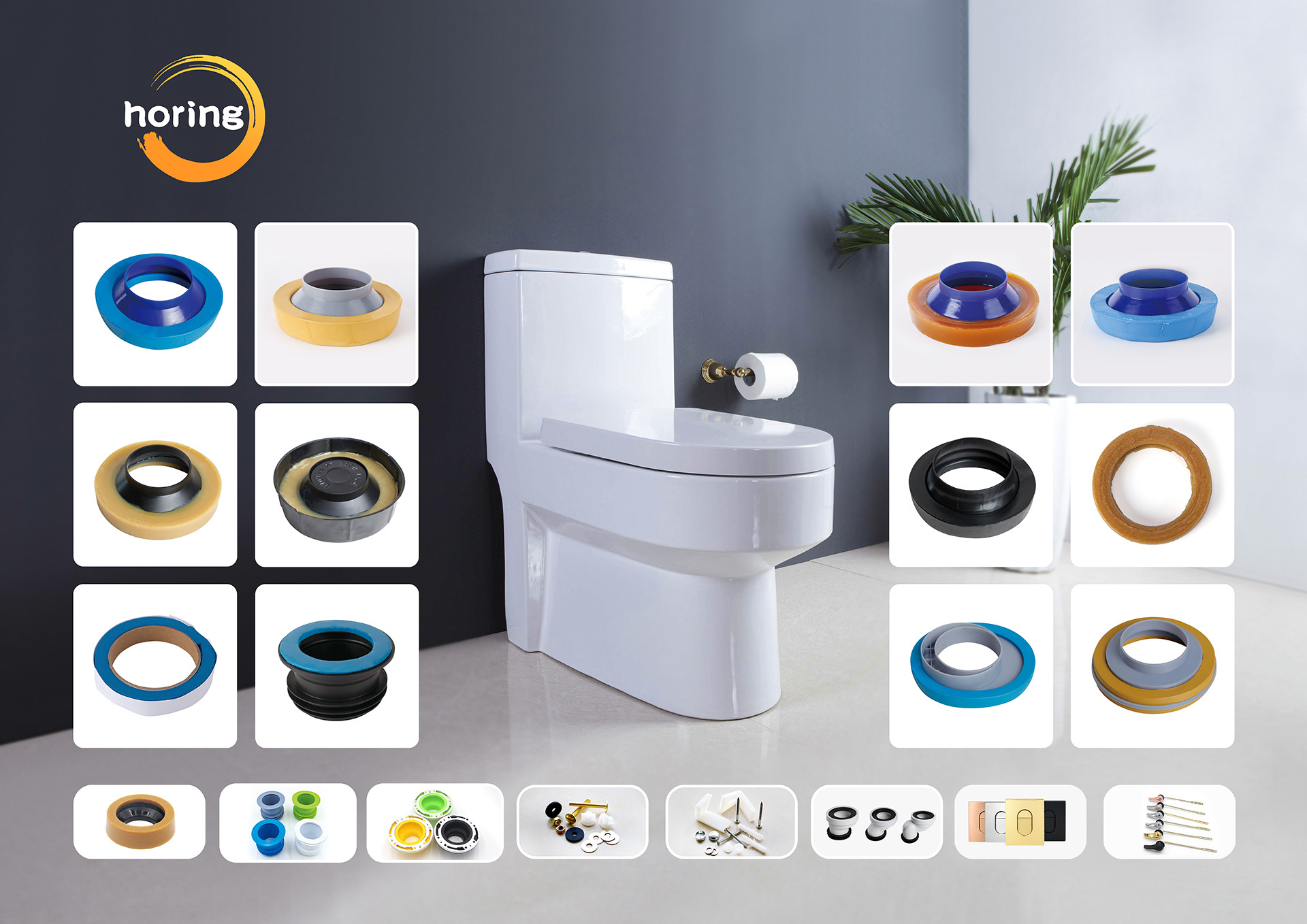

Essential Guide to Choosing Quality Toilet Rubber Gaskets: Ensure Optimal Performance and Longevity
Release Time:
Apr 17,2025
Source:
A toilet rubber gasket serves as a crucial seal between the toilet bowl and the tank, preventing water from leaking into the bathroom. These gaskets ensure a tight fit, maintaining the integrity of the plumbing system. Understanding their function is essential for anyone involved in toilet maintenance or repair.
Choosing the right type of gasket is paramount for optimal toilet performance. Here are the most common varieties:
Wax Gaskets
Wax gaskets are traditional and widely used for sealing toilet bases. They consist of a wax ring that provides a durable and waterproof seal. Wax gaskets are ideal for standard installations but can be challenging to reposition once installed.
Rubber Gaskets
Rubber gaskets are a modern alternative to wax gaskets. They are often made from synthetic rubber, providing flexibility and durability. These gaskets are easier to install and can be reused, making them a popular choice for DIY enthusiasts.
Fluidmaster Gaskets
Fluidmaster gaskets are designed for specific toilet models, offering enhanced compatibility and performance. They often feature a unique design that makes installation straightforward and efficient, minimizing the risk of leaks.
Push-On Gaskets
Push-on gaskets have gained popularity for their ease of installation. These gaskets fit snugly into place without requiring additional tools or adhesives. They are often used in modern toilet designs for a clean and efficient seal.
3. Material Selection for Toilet Gaskets
The choice of material for toilet gaskets can significantly impact performance and longevity. Here are the primary materials used:
Rubber
Rubber gaskets are highly regarded for their resilience and elasticity. They can withstand varying temperatures and pressures, making them suitable for various toilet applications. Additionally, rubber gaskets are resistant to degradation from water and other bathroom chemicals.
Wax
Wax gaskets, while traditional, can be less durable over time. They are susceptible to compression and may lose their sealing ability if not installed correctly. However, they offer excellent resistance to water and are often used in residential settings.
Foam
Foam gaskets are lightweight and provide a good seal. Often used in conjunction with other materials, they can help enhance the performance of wax or rubber gaskets. Foam gaskets are generally less durable but can be effective in specific applications.
4. Installation Process for Toilet Gaskets
Proper installation is vital for ensuring the effectiveness of the toilet rubber gasket. Here’s a step-by-step guide to help you through the installation process:
Step-by-Step Installation Guide
-
Gather Your Tools: Ensure you have all necessary tools, including a wrench, screwdriver, and a new gasket.
-
Turn Off Water Supply: Before you begin, turn off the water supply to the toilet.
-
Remove the Toilet: Disconnect the toilet from the plumbing by unscrewing the bolts and lifting it off the base.
-
Clean the Area: Remove any old wax or debris from the toilet base and flange.
-
Place the New Gasket: Position the new gasket onto the flange or the base of the toilet, ensuring it fits snugly.
-
Reinstall the Toilet: Carefully lower the toilet back onto the flange, ensuring it aligns with the gasket.
-
Secure Bolts: Tighten the bolts to secure the toilet in place, being careful not to overtighten.
-
Reconnect Water Supply: Turn the water supply back on and check for leaks.
5. Common Issues and Solutions
Even with proper installation, issues can arise with toilet rubber gaskets. Here are some common problems and their solutions:
Leaking Gasket
If you notice water pooling around the base of your toilet, it may indicate a faulty or improperly installed gasket. Check for proper alignment and tighten bolts as necessary.
Odor Problems
Persistent odors could signal a degraded gasket. If the gasket is wax, it may have absorbed odors over time. Replacing the gasket can help eliminate unpleasant smells.
Toilet Rocking
If your toilet rocks back and forth, it may not be seated properly on the gasket. Ensure that it is level and securely fastened to the floor.
6. Maintenance Tips for Toilet Gaskets
Regular maintenance is crucial for extending the life of your toilet rubber gasket. Here are some tips to consider:
-
Regular Inspections: Periodically check for signs of wear or damage.
-
Keep the Area Clean: Maintain a clean environment around the toilet to prevent debris accumulation.
-
Monitor Water Levels: Observe water levels in the toilet tank; fluctuations could indicate gasket issues.
-
Use Mild Cleaners: When cleaning around the toilet, avoid harsh chemicals that may degrade rubber or wax gaskets.
7. When to Replace Your Toilet Gasket
Knowing when to replace your toilet gasket can save you from extensive damage and costly repairs. Here are some signs that it's time for a replacement:
-
Visible Cracks or Damage: Inspect the gasket for cracks or signs of wear.
-
Frequent Leaks: If you experience recurring leaks, it may be time to replace the gasket.
-
Age of the Gasket: Even durable materials have a lifespan; consider replacement every few years.
8. Frequently Asked Questions
What is the lifespan of a toilet rubber gasket?
Typically, a toilet rubber gasket can last anywhere from 5 to 10 years, depending on usage and environmental factors.
Can I reuse a toilet rubber gasket?
Rubber gaskets can be reused if they are in good condition with no visible wear. However, wax gaskets should generally be replaced once removed.
Why is my toilet still leaking after gasket replacement?
If a toilet continues to leak after gasket replacement, it may indicate issues with the toilet base or flange, requiring further inspection.
How do I choose the right gasket for my toilet?
Consider factors such as toilet model, installation ease, and material properties when selecting a gasket.
Can I install a toilet gasket myself?
Yes, with the right tools and knowledge, toilet gasket installation can be a manageable DIY project.
9. Conclusion
Choosing the right toilet rubber gasket is essential for maintaining a leak-free and efficient bathroom. By understanding the types, materials, installation processes, and maintenance tips, you can ensure that your toilet performs optimally for years to come. Regular inspections and timely replacements can prevent minor issues from turning into major problems, helping you save time and money in the long run. Armed with this essential guide, you are now prepared to make informed decisions regarding your toilet rubber gaskets, ensuring your bathroom remains a reliable and functional space in your home.
Related News
Social Media

Contact Information
Add: No.28, Xinyuan Road, Jimei District, Xiamen, Fujian Province, China
Tel: 15960289358 (David)
Tel: 15980991191 (Bruce)
Email: Monica@horing-sanitary.com (Monica Lin)
Email: sales@horing-sanitary.com (David)
Email: sales1@horing-sanitary.com (Bruce)
All Rights Reserved © 2024 Xiamen Horing Sanitary Co.,Ltd .