
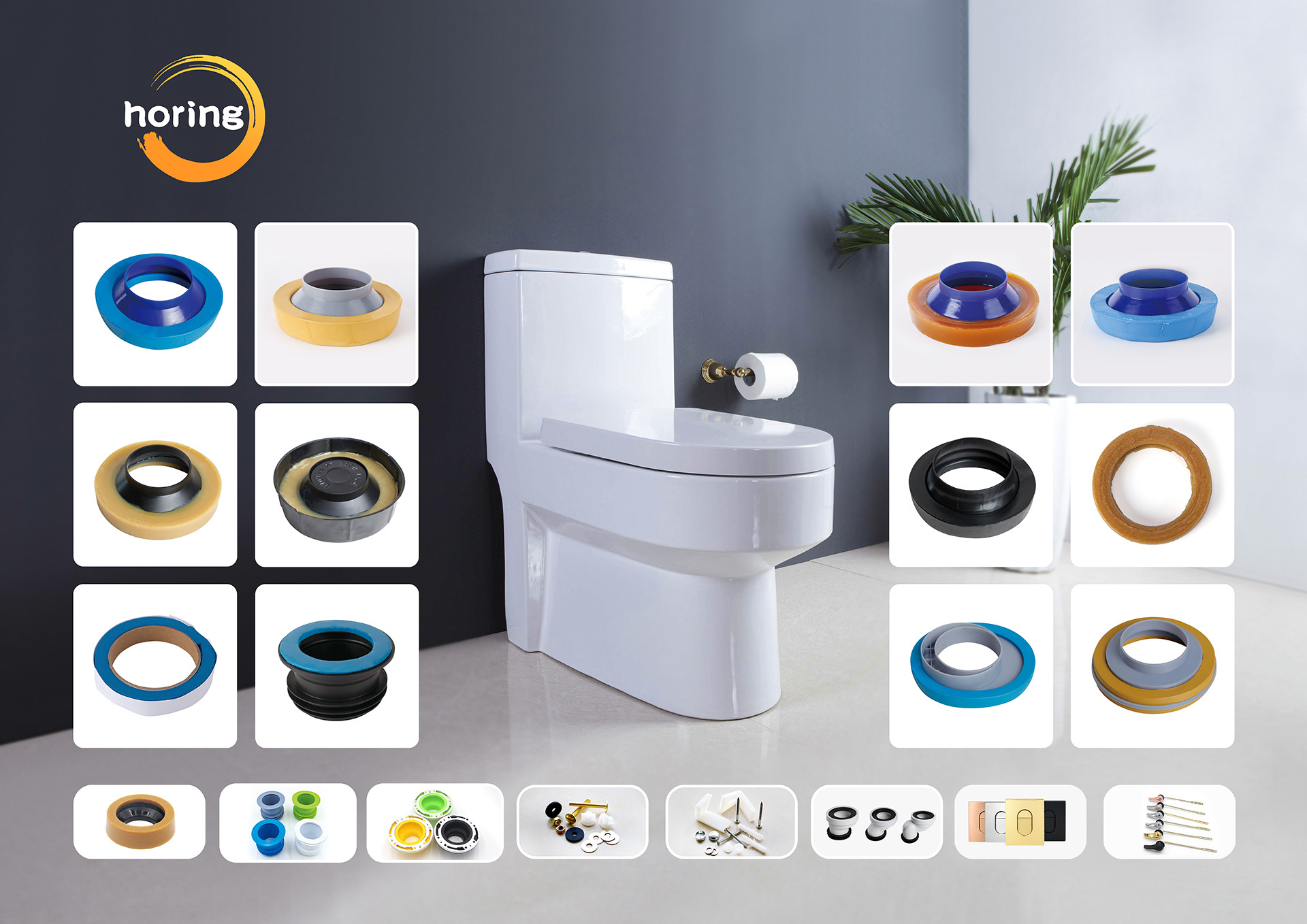

Top Tips for Choosing the Best Toilet Tank Seal Gasket
Release Time:
May 21,2025
Source:
Top Tips for Choosing the Best Toilet Tank Seal Gasket
When it comes to maintaining a fully functional bathroom, the importance of a reliable toilet tank seal gasket cannot be overstated. A toilet tank seal gasket, often overlooked, plays a critical role in preventing leaks between the toilet tank and bowl, ensuring that your bathroom remains clean and efficient. In this comprehensive guide, we will delve into everything you need to know about selecting the best toilet tank seal gasket, from identifying the right materials to understanding installation and maintenance.
Table of Contents
- Understanding Toilet Tank Seal Gaskets
- Types of Seal Gaskets
- Choosing the Right Material for Your Seal Gasket
- Size and Fit Considerations
- Installation Tips for Toilet Tank Seal Gaskets
- Maintaining Your Seal Gasket
- Common Signs of Seal Gasket Failure
- Frequently Asked Questions
Understanding Toilet Tank Seal Gaskets
Toilet tank seal gaskets serve as the critical barrier that prevents water from leaking between the tank and the bowl. These gaskets can degrade over time due to mineral build-up, constant exposure to water, and temperature fluctuations. Understanding their function and importance will help you make an informed decision when selecting the right gasket for your toilet.
Types of Seal Gaskets
There are several types of toilet tank seal gaskets available on the market. Here are the most common varieties:
1. Wax Seal Gaskets
Wax seal gaskets are traditional and widely used due to their effective sealing capabilities. Made from a wax compound, they provide a solid barrier against leaks. However, they can degrade over time, especially if exposed to excessive moisture.
2. Rubber Seal Gaskets
Rubber gaskets are popular for their durability and resistance to water and temperature changes. They offer a reliable seal and are often easier to install compared to wax gaskets. However, they may not provide as tight a seal as their wax counterparts.
3. Foam Seal Gaskets
Foam gaskets are less common but offer a lightweight and flexible option. They can compress to form a tight seal and are ideal for toilets with uneven surfaces. However, they may not be as durable as wax or rubber gaskets and can degrade faster.
4. Composite Seal Gaskets
Composite gaskets are made from a combination of materials, providing a balance of durability and sealing capability. They can withstand various environmental conditions and are often resistant to chemical breakdown.
Choosing the Right Material for Your Seal Gasket
Selecting the right material for your toilet tank seal gasket is crucial for long-term performance. Here are some factors to consider:
1. Water Resistance
Choose a gasket that offers excellent water resistance. Rubber and composite materials generally perform better in this regard compared to wax and foam.
2. Temperature Tolerance
Consider the temperature fluctuations in your bathroom. If your bathroom experiences extreme temperatures, opt for materials that can withstand these changes without degrading.
3. Longevity
Evaluate the lifespan of the gasket materials. Rubber and composite gaskets typically outlast wax gaskets, which can become brittle over time.
4. Environmental Considerations
If you’re environmentally conscious, look for gaskets made from sustainable materials or those that can be recycled.
Size and Fit Considerations
Selecting the correct size and fit for your toilet tank seal gasket is essential to prevent leaks. Here’s how to ensure you get it right:
1. Measure Your Toilet
Before purchasing a gasket, measure the height and width of the toilet tank and bowl. Most gaskets come in standard sizes, but it's always best to confirm.
2. Check Manufacturer Specifications
Refer to your toilet manufacturer's specifications for the recommended gasket sizes. This will help in finding a compatible seal for optimal performance.
3. Consider Adjustable Gaskets
For added convenience, consider adjustable gaskets that can accommodate slight variations in size, ensuring a snug fit.
Installation Tips for Toilet Tank Seal Gaskets
Proper installation is key to the effectiveness of your toilet tank seal gasket. Follow these steps for a successful installation:
1. Gather Necessary Tools
Before starting, gather all necessary tools including a wrench, screwdriver, and rubber gloves. This will streamline the process and prevent interruptions.
2. Turn Off the Water Supply
Always turn off the water supply to your toilet before beginning any repair work. This will prevent unwanted spills and ensure a cleaner installation process.
3. Remove the Toilet Tank
Detach the toilet tank from the bowl by loosening the bolts that secure it. Carefully lift the tank off and set it aside.
4. Clean the Surface
Thoroughly clean the surfaces of the toilet bowl and tank where the gasket will be placed. Remove any old gasket material, debris, or mineral build-up to ensure a proper seal.
5. Install the New Gasket
Position the new gasket evenly on the toilet bowl. If using a wax seal, ensure it is molded properly. For rubber or foam gaskets, press them down firmly to ensure a tight fit.
6. Reattach the Toilet Tank
Carefully place the toilet tank back onto the bowl, aligning it with the bolts. Tighten the nuts securely, but avoid over-tightening to prevent cracking.
7. Turn On the Water Supply
Once the tank is securely in place, turn the water supply back on and check for leaks. Flush the toilet to ensure proper operation.
Maintaining Your Seal Gasket
Regular maintenance can significantly extend the life of your toilet tank seal gasket. Here are some tips:
1. Inspect Regularly
Periodically check the gasket for signs of wear or damage. Look for discoloration, cracks, or water stains around the base of the toilet.
2. Clean the Area
Keep the area around the gasket clean and free from mineral build-up or debris. A clean surface enhances the gasket's sealing capabilities.
3. Address Leaks Promptly
If you notice any signs of leaks, address the issue immediately. Delaying repairs can lead to more significant problems and costly water damage.
Common Signs of Seal Gasket Failure
Being aware of the signs of seal gasket failure can help you take action before more serious issues arise. Look out for:
1. Persistent Leaks
If you notice water pooling around the base of the toilet or between the tank and bowl, it may indicate gasket failure.
2. Unpleasant Odors
Foul smells coming from your toilet can be a sign of water stagnation due to leakage, often linked to a faulty gasket.
3. Toilet Wobbling
If your toilet feels loose or wobbly, it may not be sealed correctly, which could be due to a failing gasket.
4. Increased Water Bills
A sudden spike in your water bill could indicate a leak caused by a faulty seal gasket.
Frequently Asked Questions
1. How often should I replace my toilet tank seal gasket?
It’s recommended to inspect your toilet tank seal gasket every few years and replace it if you notice any signs of wear or leaks.
2. Can I use any gasket for my toilet?
Not all gaskets fit all toilets. Refer to your toilet's manufacturer specifications for the appropriate gasket size and type.
3. Is it difficult to install a toilet tank seal gasket?
With the right tools and instructions, installing a toilet tank seal gasket can be a straightforward DIY project for most homeowners.
4. What happens if I don’t replace a leaking gasket?
Ignoring a leaking gasket can lead to water damage, increased water bills, and even mold growth in your bathroom over time.
5. Are there any eco-friendly gasket options available?
Yes, some manufacturers offer gaskets made from sustainable materials or those that are easily recyclable, catering to environmentally conscious consumers.
Conclusion
Choosing the best toilet tank seal gasket is essential for maintaining a leak-free and efficient bathroom. By understanding the different types of gaskets, selecting the right materials, and following proper installation and maintenance techniques, you can ensure that your toilet operates smoothly for years to come. Don't overlook this critical component of your bathroom; invest time in selecting a high-quality gasket that meets your needs and preferences. With the tips provided in this guide, you're well-equipped to make an informed decision and avoid potential plumbing issues down the line.
Related News
Social Media

Contact Information
Add: No.28, Xinyuan Road, Jimei District, Xiamen, Fujian Province, China
Tel: 15960289358 (David)
Tel: 15980991191 (Bruce)
Email: Monica@horing-sanitary.com (Monica Lin)
Email: sales@horing-sanitary.com (David)
Email: sales1@horing-sanitary.com (Bruce)
All Rights Reserved © 2024 Xiamen Horing Sanitary Co.,Ltd .