
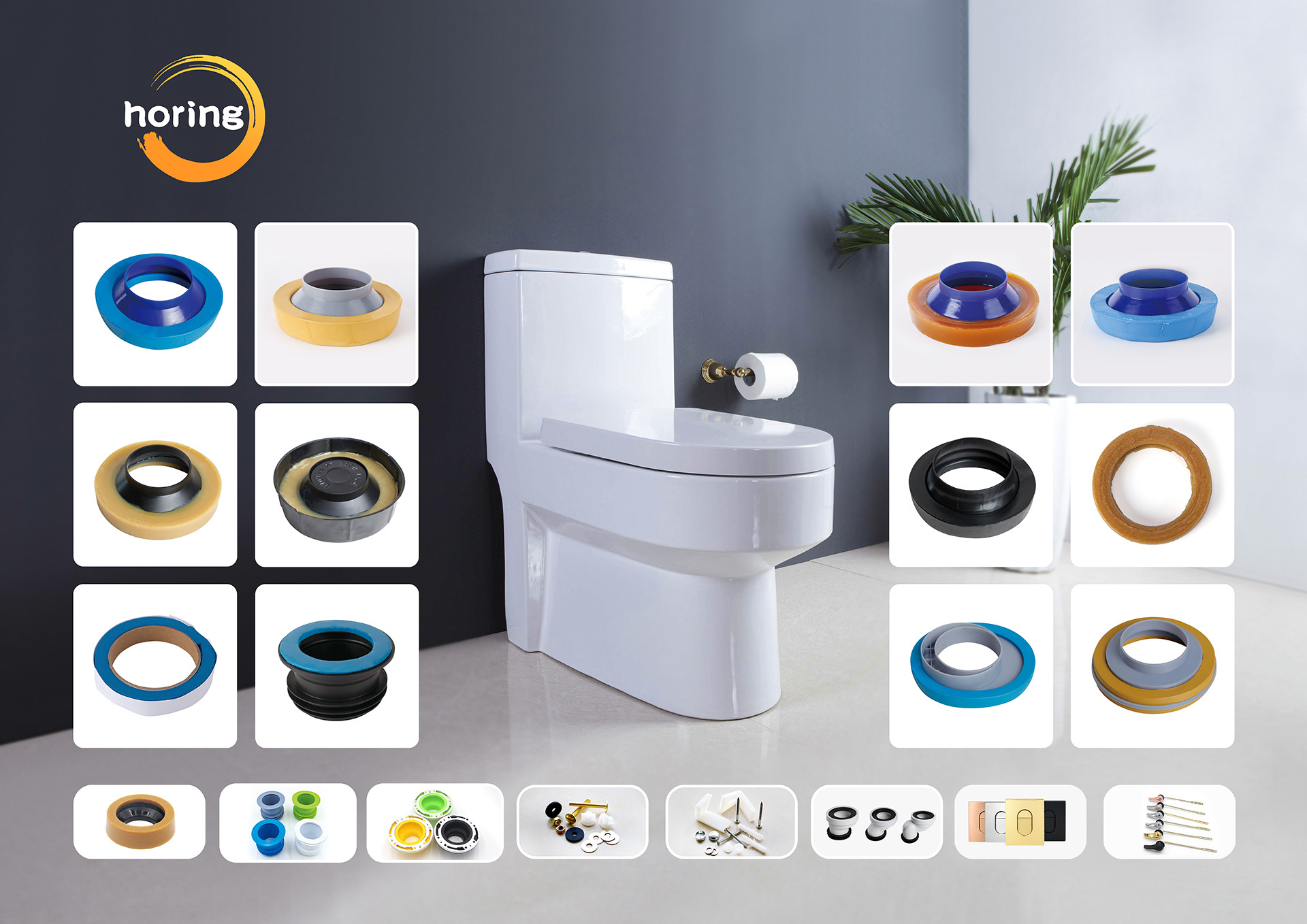

Quality Toilet Tank Seal Gasket: Essential for Every Homeowner
Release Time:
May 19,2025
Source:
Quality Toilet Tank Seal Gasket: Essential for Every Homeowner
Introduction to Toilet Tank Seal Gaskets
Toilet tank seal gaskets, often overlooked, play a pivotal role in maintaining the integrity of your bathroom. These small yet significant components ensure a proper seal between the toilet tank and the bowl, preventing leaks that can lead to water damage and costly repairs. Every homeowner should understand the importance of investing in a quality toilet tank seal gasket.
Understanding the Importance of a Toilet Tank Seal Gasket
The toilet tank seal gasket serves as a barrier that prevents water from leaking out of the tank into the bowl and eventually onto your bathroom floor. A compromised seal can lead to several issues, including:
Water Damage Prevention
Leaks can cause extensive water damage, leading to mold growth, structural damage, and increased repair costs. A good seal gasket protects your home from these issues.
Water Conservation
A leaking toilet can waste hundreds of gallons of water each month. By ensuring your toilet tank gasket is in good condition, you contribute to water conservation efforts and reduce your utility bills.
Maintaining Optimal Functionality
A properly sealed toilet functions more efficiently. A worn or damaged gasket can disrupt the flushing mechanism, leading to performance issues.
Types of Toilet Tank Seal Gaskets
When choosing a toilet tank seal gasket, it’s essential to understand the different types available:
Rubber Gaskets
Rubber gaskets are the most common type. They provide a reliable seal and are resistant to moisture and chemicals found in bathroom environments.
Wax Rings
Wax rings are traditional seals that have been used for decades. They are effective but can be messy during installation and may degrade over time.
Foam Gaskets
Foam gaskets offer an alternative to wax and rubber. They are easy to install and provide a good seal but may not be as durable as rubber options.
How to Choose the Right Toilet Tank Seal Gasket
Selecting the right gasket for your toilet involves several considerations:
Compatibility with Your Toilet Model
Before purchasing a gasket, ensure it is compatible with your toilet model. Check the manufacturer's specifications for recommendations.
Material Quality
Invest in high-quality materials that offer durability and resistance to wear. Avoid cheap options that may save you money upfront but cost more in the long run due to frequent replacements.
Ease of Installation
Consider choosing a gasket that is easy to install, especially if you plan to do it yourself. Some gaskets come with installation kits that simplify the process.
Installation Guide for Toilet Tank Seal Gaskets
Installing a toilet tank seal gasket is a manageable DIY project. Follow these steps for a successful installation:
Gather Necessary Tools
You will need a wrench, screwdriver, and a bucket or towel to catch any water that may spill.
Turn Off the Water Supply
Before starting, turn off the water supply to your toilet. Flush the toilet to empty the tank and sponge out any remaining water.
Remove the Toilet Tank
Carefully unscrew the tank from the bowl, taking care not to damage any components. Lift the tank off and set it aside.
Replace the Old Gasket
Remove the old gasket from the tank and clean the area to ensure a smooth surface for the new gasket. Place the new gasket in position.
Reassemble the Toilet
Reattach the tank to the bowl, ensuring the gasket is seated correctly. Tighten the screws, but do not overtighten to avoid cracking the porcelain.
Turn On the Water Supply
Once everything is reassembled, turn the water supply back on and check for leaks. Allow the tank to fill and test the flush mechanism.
Maintaining Your Toilet Tank Seal Gasket
Proper maintenance can prolong the life of your toilet tank seal gasket. Here are some tips:
Regular Inspections
Periodic checks for signs of wear or leaks can help catch issues before they escalate. Look for water pooling around the base of the toilet.
Keep the Area Clean
Maintaining a clean bathroom environment reduces the risk of mold and deterioration of the gasket. Wipe down surfaces regularly.
Replace When Necessary
Most gaskets have a lifespan of several years, but factors like water quality and usage frequency can affect longevity. Be proactive about replacements.
Common Issues with Toilet Tank Seal Gaskets
Understanding common problems can help you diagnose issues early:
Leaking Water
This is the most obvious sign of a failing gasket. If you notice water pooling around the base, inspect the gasket for damage.
Low Water Pressure
A worn gasket can affect the water flow to the toilet. If you experience low pressure, it may be time to replace your gasket.
Unpleasant Odors
A leaking or damaged gasket can lead to odors in your bathroom. If you notice foul smells, check the seal for integrity.
FAQs about Toilet Tank Seal Gaskets
What is the average lifespan of a toilet tank seal gasket?
The average lifespan of a toilet tank seal gasket varies but typically ranges from 5 to 10 years, depending on usage and water quality.
How can I tell if my toilet tank gasket needs replacing?
Signs include visible leaks, water pooling around your toilet base, and a noticeable decrease in flushing efficiency.
Can I install a toilet tank gasket myself?
Yes, many homeowners choose to install gaskets themselves. With basic tools and following instructions, it’s a straightforward DIY project.
Are wax gaskets better than rubber gaskets?
Wax gaskets have been traditional for years and provide a robust seal, while rubber gaskets offer easier installation and are less messy. The choice depends on personal preference and toilet type.
What should I do if my new gasket leaks?
If your new gasket leaks, turn off the water supply, inspect the installation for proper seating, and ensure all connections are tight. If problems persist, consider replacing the gasket again.
Conclusion
A **quality toilet tank seal gasket** is an essential investment for every homeowner. Not only does it prevent leaks and water damage, but it also promotes water conservation and ensures optimal toilet performance. By understanding the different types of gaskets, how to choose the right one, and maintaining it properly, homeowners can avoid common plumbing issues and save on costly repairs. Whether you're a seasoned DIYer or new to home maintenance, the importance of a reliable toilet tank seal gasket cannot be overstated. Prioritize this small component for a big impact on your home's overall plumbing health.
Related News
Social Media

Contact Information
Add: No.28, Xinyuan Road, Jimei District, Xiamen, Fujian Province, China
Tel: 15960289358 (David)
Tel: 15980991191 (Bruce)
Email: Monica@horing-sanitary.com (Monica Lin)
Email: sales@horing-sanitary.com (David)
Email: sales1@horing-sanitary.com (Bruce)
All Rights Reserved © 2024 Xiamen Horing Sanitary Co.,Ltd .