
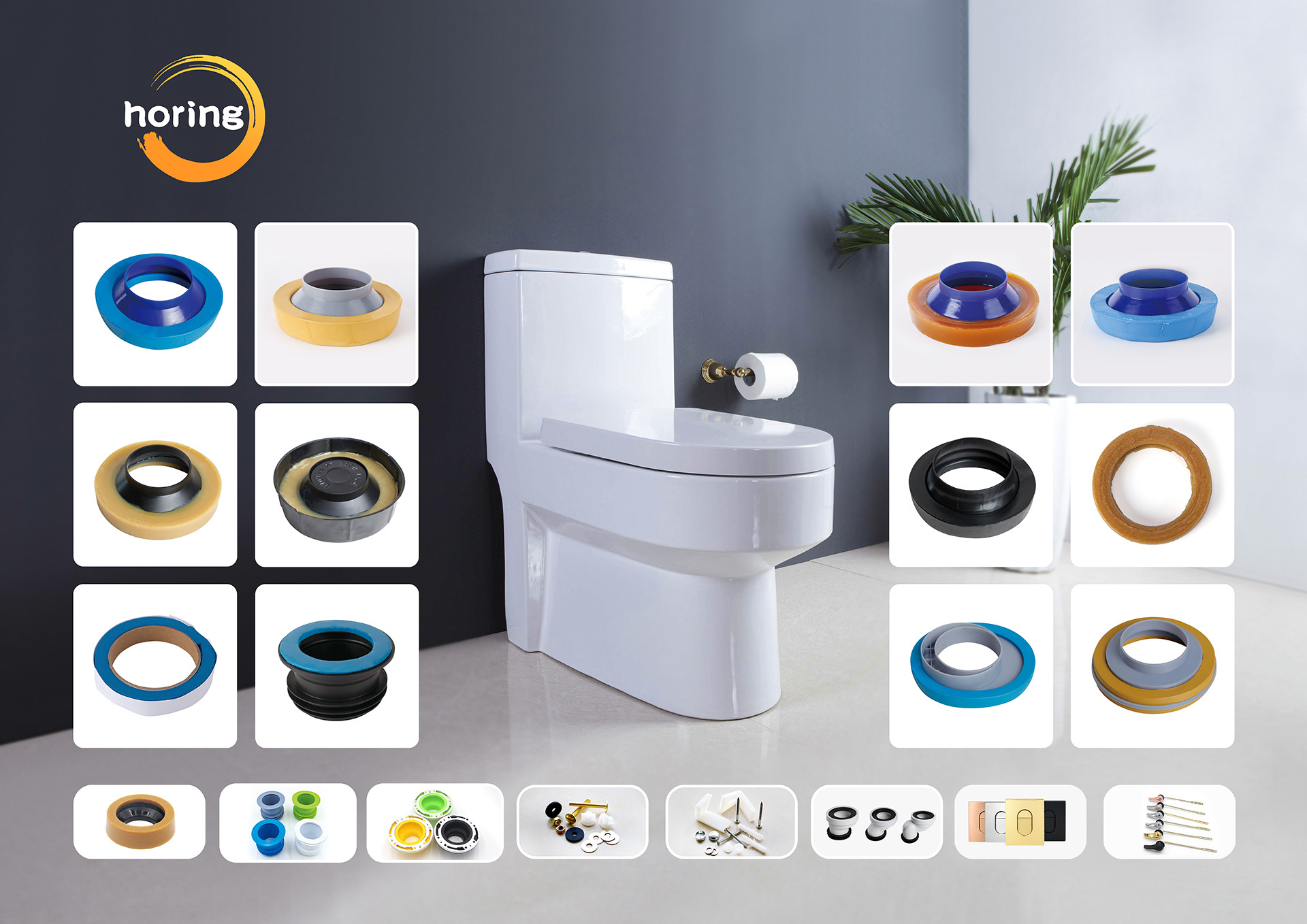

Understanding the Importance of China Closet Screws in Toilet Installation
Release Time:
May 09,2025
Source:
Understanding the Importance of China Closet Screws in Toilet Installation
When it comes to toilet installation, many may overlook the significance of the humble screw. However, the **China closet screw** is a pivotal component that guarantees the stability and functionality of your toilet. In this article, we will delve into the intricacies of these screws, their types, the installation process, and the key factors to consider when choosing the right screws for your needs.
Table of Contents
- What Are China Closet Screws?
- The Importance of Closet Screws in Toilet Installation
- Types of China Closet Screws
- The Toilet Installation Process
- Choosing the Right China Closet Screws
- Common Mistakes in Toilet Installation
- Maintaining Your Toilet and Closet Screws
- Frequently Asked Questions
- Conclusion
What Are China Closet Screws?
**China closet screws** are specifically designed fasteners used to secure toilets to the floor. Made from various materials, including stainless steel, brass, and plastic, these screws help create a watertight seal and provide stability. Their unique design allows for easy installation and removal, making them an essential component for anyone undertaking a bathroom renovation or repair.
The term "closet screw" derives from the fact that these screws are used in the installation of water closet fixtures, which is a term for toilets. Their primary function is to anchor the toilet base to the flange mounted on the floor, preventing it from shifting or rocking.
The Importance of Closet Screws in Toilet Installation
Using the right closet screws during toilet installation is crucial for several reasons:
1. Ensures Stability
A toilet that is improperly secured can rock back and forth, leading to cracks in the porcelain or even a complete break. Closet screws provide the necessary support to hold the toilet firmly in place.
2. Prevents Leaks
A stable toilet minimizes the risk of leaks. When a toilet shifts, it can compromise the wax seal between the toilet and the flange, leading to water damage and costly repairs. Properly installed closet screws help maintain that seal.
3. Simplifies Maintenance
Using high-quality closet screws allows for easier maintenance. If repairs are needed, well-installed screws can be removed and replaced without damaging the surrounding area.
4. Enhances Lifespan of the Toilet
A securely fastened toilet is less likely to suffer from issues related to movement or instability. This ensures that the toilet remains functional for a longer period.
Types of China Closet Screws
Choosing the right type of closet screw is essential for ensuring a successful toilet installation. Here are the main types of China closet screws available:
1. Stainless Steel Closet Screws
These screws resist rust and corrosion, making them ideal for humid bathroom environments. Their durability ensures that they will not degrade over time, maintaining a secure installation.
2. Brass Closet Screws
Brass screws are known for their strength and durability. They offer a classic look and are less prone to rust. However, they may be more expensive than other options.
3. Plastic Closet Screws
Plastic screws are lightweight and resistant to moisture. They are often used in less demanding installations and can be a cost-effective option for temporary setups.
4. Adjustable Closet Screws
These screws feature a mechanism that allows adjustments in height, providing versatility during installation. This is particularly useful when aligning the toilet with the flange.
The Toilet Installation Process
Installing a toilet correctly requires attention to detail. Here’s a step-by-step guide to ensure a successful installation using China closet screws:
Step 1: Gather Your Tools
Before starting, gather all necessary tools, including closet screws, a wax ring, a wrench, and a level. Having everything on hand will streamline the process.
Step 2: Prepare the Area
Ensure the floor is clean and dry. Remove any old wax from the previous installation and inspect the flange for any damage.
Step 3: Install the Wax Ring
Place a new wax ring on the flange, ensuring it forms a proper seal. This step is crucial for preventing leaks.
Step 4: Position the Toilet
Carefully lower the toilet over the wax ring, aligning the bolt holes with the closet screws. Ensure that the toilet sits level on the floor.
Step 5: Secure the Toilet
Insert the closet screws through the toilet base into the flange, tightening them evenly. Avoid over-tightening, as this can crack the toilet.
Step 6: Connect the Water Supply
Attach the water supply line to the tank and turn on the water. Check for any leaks around the connections.
Step 7: Final Checks
Once the toilet is secured, double-check for levelness and ensure the flush operates smoothly.
Choosing the Right China Closet Screws
Selecting the appropriate closet screws involves considering several factors to ensure a successful installation:
1. Material
Choose screws made from materials resistant to rust and corrosion. Stainless steel is often the best choice for bathroom environments.
2. Length
Consider the thickness of your toilet base and floor covering. Closet screws typically range from 1.5 to 3 inches in length. Ensure they are long enough to securely fasten the toilet but not so long that they protrude excessively.
3. Compatibility
Make sure the screws you select are compatible with the flange in your bathroom. Different flanges may require specific screw types or designs.
4. Ease of Installation
Look for screws that can be easily installed and removed. This will save time in future maintenance or repairs.
Common Mistakes in Toilet Installation
Even with the best intentions, mistakes can happen during toilet installation. Here are some common pitfalls to avoid:
1. Not Using a Wax Ring
Neglecting to install a wax ring can lead to significant leaks. Always use a fresh wax ring for each installation.
2. Over-tightening Screws
While it's important to secure the toilet, over-tightening screws can crack the toilet base. Tighten them just enough to hold the toilet without causing damage.
3. Ignoring Levelness
A toilet that isn’t level can lead to issues with flushing and stability. Always use a level to check for proper alignment.
4. Failing to Inspect the Flange
Before installation, inspect the flange for damage. A compromised flange can lead to installation failure and leaks.
Maintaining Your Toilet and Closet Screws
Regular maintenance ensures that your toilet remains functional and that the closet screws continue to provide support. Here are some tips:
1. Periodic Inspections
Check the bolts and screws periodically for any signs of rust or wear. Replace any that show signs of damage.
2. Tightening Screws
Occasionally, screws may loosen over time. It’s a good practice to check and tighten them if necessary.
3. Cleaning
Keep the area around the toilet clean. A buildup of dirt or grime can hide potential issues or lead to corrosion of screws.
Frequently Asked Questions
1. What materials are closet screws made from?
China closet screws are typically made from stainless steel, brass, or plastic, providing options for durability and corrosion resistance.
2. How do I know if my closet screws are the right length?
The screws should be long enough to penetrate the flange but not so long that they protrude excessively when installed.
3. Can I reuse closet screws for a new toilet installation?
It is not recommended to reuse closet screws, as they may have been compromised and could lead to installation issues.
4. What should I do if my toilet is rocking?
First, check to see if the screws are loose. If they are secure but the toilet still rocks, you may need to add additional shims or adjust the wax ring.
5. Where can I buy China closet screws?
China closet screws are available at most hardware stores, plumbing supply stores, and online retailers.
Conclusion
Understanding the significance of **China closet screws** in toilet installation is crucial for achieving a secure and leak-free setup. From ensuring stability to simplifying future maintenance, the right screws make all the difference. By selecting the appropriate type of screw, following proper installation techniques, and avoiding common mistakes, you can ensure that your toilet remains functional for years to come. Investing time in understanding these components will lead to a more successful installation and ultimately a better bathroom experience.
Related News
Social Media

Contact Information
Add: No.28, Xinyuan Road, Jimei District, Xiamen, Fujian Province, China
Tel: 15960289358 (David)
Tel: 15980991191 (Bruce)
Email: Monica@horing-sanitary.com (Monica Lin)
Email: sales@horing-sanitary.com (David)
Email: sales1@horing-sanitary.com (Bruce)
All Rights Reserved © 2024 Xiamen Horing Sanitary Co.,Ltd .