

Understanding Cistern Pipe Kits: Essential Components for Optimal Functionality
Release Time:
May 06,2025
Source:
In the realm of building and decorative materials, the cistern pipe kit is a crucial yet often overlooked component. A cistern is commonly used in plumbing systems to store water, primarily for flushing toilets. The efficiency and longevity of a cistern depend significantly on the quality of its pipe kit, making it essential for homeowners and builders alike to understand the various aspects of these components.
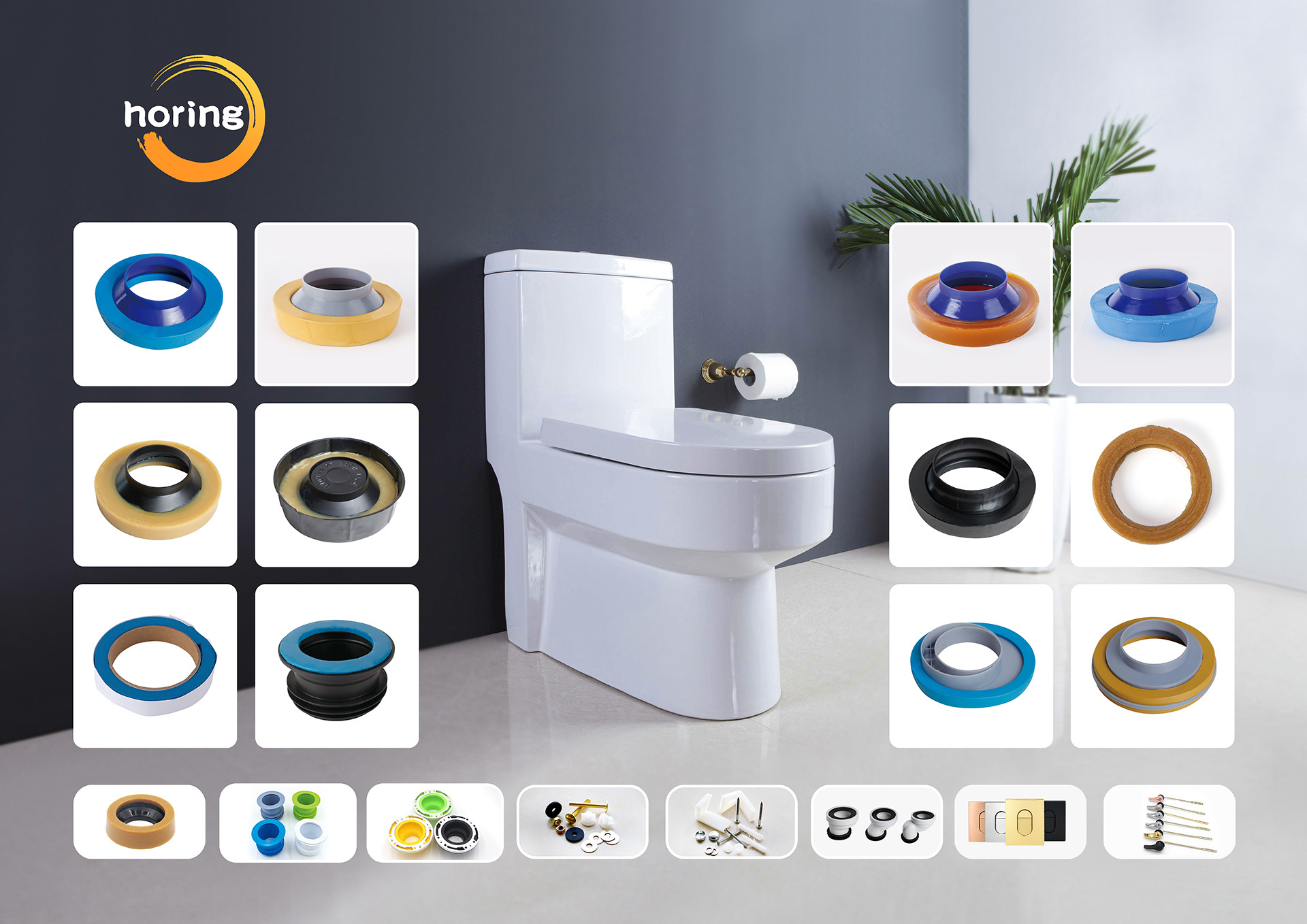
A cistern pipe kit typically includes essential parts such as pipes, connectors, valves, and fittings. Each component plays a vital role in ensuring that the cistern functions properly. For instance, the pipes transport water from the main supply to the cistern, while connectors securely join different sections of the plumbing system. Valves are critical for controlling water flow, and fittings ensure a tight seal, preventing leaks.
When selecting a cistern pipe kit, it is important to consider materials. Common materials include PVC, CPVC, and polyethylene, each offering unique advantages. PVC is lightweight and resistant to corrosion, making it a popular choice for many plumbing applications. CPVC can withstand higher temperatures and pressures, making it suitable for hot water systems. On the other hand, polyethylene is flexible and resistant to certain chemicals, which can be beneficial in specific environments.
Additionally, understanding the installation process of a cistern pipe kit is essential. Proper installation ensures that the system functions efficiently and minimizes the risk of leaks or failures. It is advisable to follow manufacturer instructions meticulously and consider seeking professional assistance if you are unsure about the installation process. Proper tools and techniques are necessary to achieve a durable and effective plumbing system.
Maintenance is another critical aspect of working with cistern pipe kits. Regularly inspecting the pipes for signs of wear, leaks, or blockages can prolong the life of your cistern and prevent costly repairs down the line. Simple tasks such as cleaning filters, checking valve operations, and monitoring water levels can contribute significantly to optimal functionality.
In summary, understanding the components and functionalities of cistern pipe kits is essential for anyone involved in construction or home improvement projects. By choosing the right materials, ensuring proper installation, and committing to regular maintenance, you can enhance the longevity and efficiency of your cistern system. Whether a homeowner or a builder, having a profound knowledge of these elements will lead to informed decisions and improved plumbing performance.
A cistern pipe kit typically includes essential parts such as pipes, connectors, valves, and fittings. Each component plays a vital role in ensuring that the cistern functions properly. For instance, the pipes transport water from the main supply to the cistern, while connectors securely join different sections of the plumbing system. Valves are critical for controlling water flow, and fittings ensure a tight seal, preventing leaks.
When selecting a cistern pipe kit, it is important to consider materials. Common materials include PVC, CPVC, and polyethylene, each offering unique advantages. PVC is lightweight and resistant to corrosion, making it a popular choice for many plumbing applications. CPVC can withstand higher temperatures and pressures, making it suitable for hot water systems. On the other hand, polyethylene is flexible and resistant to certain chemicals, which can be beneficial in specific environments.
Additionally, understanding the installation process of a cistern pipe kit is essential. Proper installation ensures that the system functions efficiently and minimizes the risk of leaks or failures. It is advisable to follow manufacturer instructions meticulously and consider seeking professional assistance if you are unsure about the installation process. Proper tools and techniques are necessary to achieve a durable and effective plumbing system.
Maintenance is another critical aspect of working with cistern pipe kits. Regularly inspecting the pipes for signs of wear, leaks, or blockages can prolong the life of your cistern and prevent costly repairs down the line. Simple tasks such as cleaning filters, checking valve operations, and monitoring water levels can contribute significantly to optimal functionality.
In summary, understanding the components and functionalities of cistern pipe kits is essential for anyone involved in construction or home improvement projects. By choosing the right materials, ensuring proper installation, and committing to regular maintenance, you can enhance the longevity and efficiency of your cistern system. Whether a homeowner or a builder, having a profound knowledge of these elements will lead to informed decisions and improved plumbing performance.
Related News
Social Media

Contact Information
Add: No.28, Xinyuan Road, Jimei District, Xiamen, Fujian Province, China
Tel: 15960289358 (David)
Tel: 15980991191 (Bruce)
Email: Monica@horing-sanitary.com (Monica Lin)
Email: sales@horing-sanitary.com (David)
Email: sales1@horing-sanitary.com (Bruce)
All Rights Reserved © 2024 Xiamen Horing Sanitary Co.,Ltd .