
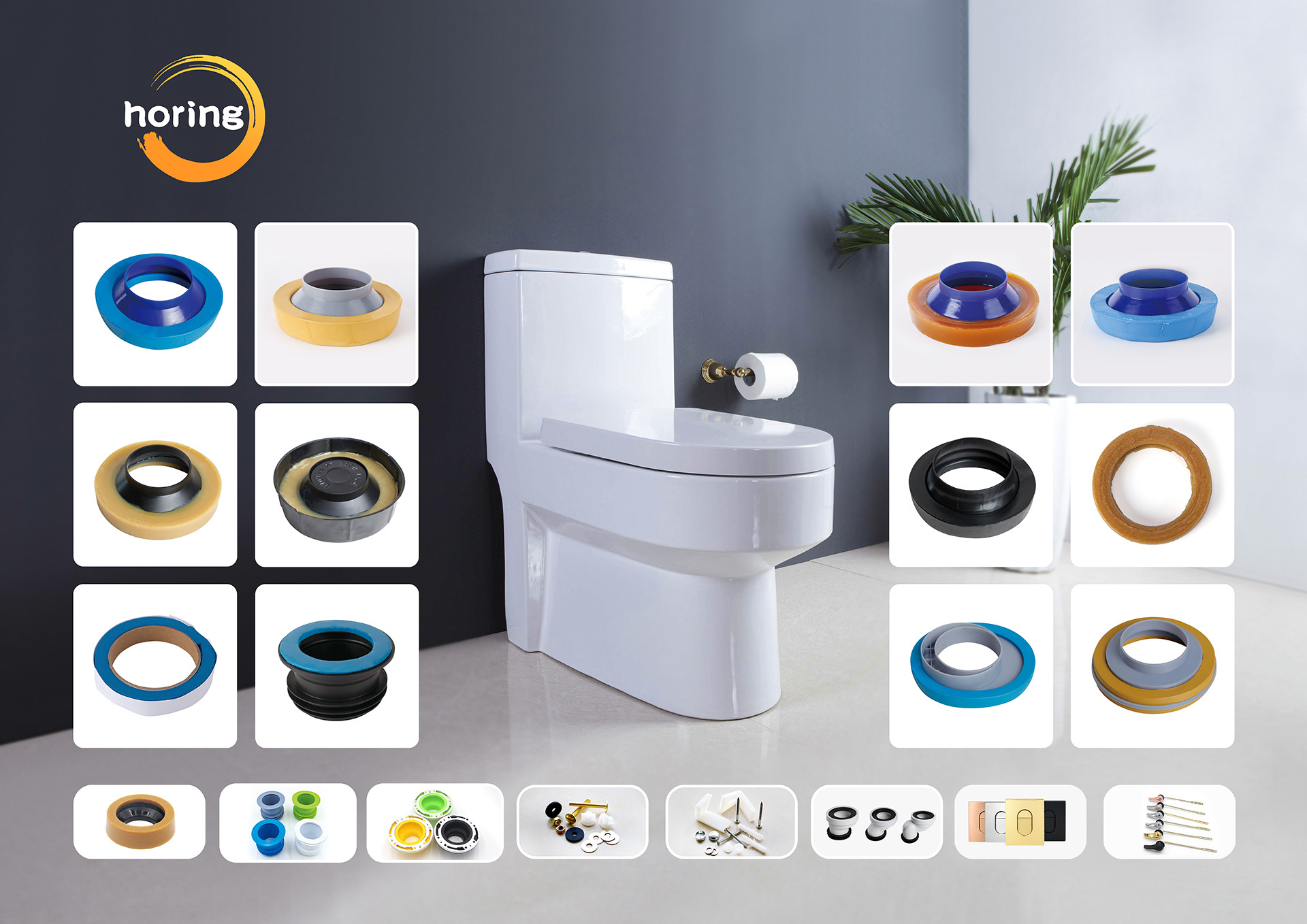

Essential Tips for Choosing the Best Toilet Pan Seal
Release Time:
May 01,2025
Source:
Essential Tips for Choosing the Best Toilet Pan Seal
When it comes to plumbing and bathroom maintenance, selecting the right toilet pan seal is crucial for ensuring a leak-free operation. A toilet pan seal acts as a barrier between the toilet and the floor, preventing water from escaping and causing extensive damage. In this article, we will explore essential tips for choosing the best toilet pan seal that meets your needs and preferences. We will cover everything from the types of seals available to installation techniques and maintenance tips.
Table of Contents
- Understanding Toilet Pan Seals
- Types of Toilet Pan Seals
- Factors to Consider When Choosing a Toilet Pan Seal
- Installation Tips for Toilet Pan Seals
- Common Issues with Toilet Pan Seals
- Maintenance and Care
- Frequently Asked Questions
- Conclusion
Understanding Toilet Pan Seals
A toilet pan seal is a crucial component in your bathroom's plumbing system. It is designed to create a watertight seal between the toilet base and the floor, preventing leaks that can lead to water damage and costly repairs. Understanding the importance of a quality toilet pan seal will help you appreciate the role it plays in maintaining your bathroom's functionality and hygiene.
The Role of Toilet Pan Seals
Toilet pan seals are often made from materials like wax, rubber, or foam. They serve the following functions:
- Prevent Leaks: A properly installed seal prevents water from leaking out, which protects your flooring and subfloor.
- Seal Odors: The seal also ensures that unpleasant sewer gases do not escape from the drainage line into your bathroom.
- Provide Stability: A good seal contributes to the stability of the toilet, preventing wobbling and movement.
Types of Toilet Pan Seals
There are several types of toilet pan seals available on the market, each with its own advantages and disadvantages. Understanding these options will help you choose the best seal for your needs.
1. Wax Seals
Wax seals are the most traditional type of toilet pan seal. They consist of a wax ring that compresses when the toilet is installed, forming a tight seal. Wax seals are affordable and effective but can degrade over time, leading to leaks.
2. Foam Seals
Foam seals are a modern alternative to wax. They are easier to install and provide a reliable seal without the mess associated with wax. Foam seals are often more resistant to moisture and can last longer than traditional wax seals.
3. Rubber Seals
Rubber seals offer durability and flexibility. They can adapt to uneven surfaces and are less prone to cracking compared to wax seals. Rubber seals are also resistant to mold and mildew, making them a hygienic choice.
4. Combination Seals
Some toilet seals combine wax and rubber or foam to take advantage of both materials' benefits. These hybrid seals often provide superior sealing capabilities and longer-lasting performance.
Factors to Consider When Choosing a Toilet Pan Seal
Choosing the right toilet pan seal involves considering several factors that can influence its performance and longevity. Here are the key factors to keep in mind:
1. Type of Toilet
The type of toilet you have can affect the choice of seal. Standard toilets typically use wax seals, while modern or low-profile toilets may benefit from foam or rubber options. Ensure you choose a seal compatible with your toilet's design.
2. Floor Type
The material and level of your bathroom floor can impact the choice of seal. Uneven or irregular surfaces may require a flexible seal, such as rubber, to ensure a proper fit. For tile floors, a wax seal generally works well unless the surface is particularly uneven.
3. Installation Ease
Consider how easy it will be to install the seal. Wax seals can be messier and require more careful installation, while foam and rubber options often feature simpler installation processes. If you plan to install it yourself, choose a seal that suits your skill level.
4. Cost
While price shouldn't be the only factor, it's essential to find a balance between cost and quality. Wax seals are typically the most affordable, but if you're looking for longevity and ease of installation, investing in a foam or rubber seal may pay off in the long run.
5. Longevity and Durability
Consider the seal's expected lifespan. Wax seals can last several years, but they may require replacement sooner than rubber or foam seals, especially in high-traffic bathrooms. Investing in a durable seal can save you time and money on future repairs.
Installation Tips for Toilet Pan Seals
Installing a toilet pan seal correctly is crucial for achieving a watertight fit. Here are some essential tips for a successful installation:
1. Prepare the Area
Before installation, ensure that the toilet base and the floor area are clean and free from debris. Any leftover wax or dirt can prevent a proper seal.
2. Choose the Right Seal
Select the correct type of seal based on your toilet and floor type. Refer to the manufacturer’s recommendations for the best results.
3. Follow Manufacturer Instructions
Always follow the manufacturer's instructions when installing the seal. Each type may have specific requirements for installation, especially when it comes to positioning and compression.
4. Test for Leaks
After installation, test the toilet for leaks by flushing and checking around the base for any signs of water escaping. If you notice any leaks, you may need to reinstall the seal.
Common Issues with Toilet Pan Seals
Even with the best seals, issues can arise. Here are some common problems you may encounter and their solutions:
1. Leaking Seals
If you notice water pooling around the base of the toilet, it could indicate a failing seal. This may happen due to improper installation, a degraded seal, or shifts in the toilet position. Inspect the seal and consider replacing it if necessary.
2. Odor Problems
Unpleasant odors in the bathroom can indicate a failing seal that is allowing sewer gases to escape. If you smell odors after installation, double-check the seal and ensure it is properly seated.
3. Toilet Movement
If the toilet wobbles, it may not be securely attached to the floor or may have a damaged seal. Ensure that the toilet is properly bolted to the floor, and consider checking or replacing the seal if the movement persists.
Maintenance and Care
Proper maintenance can extend the life of your toilet pan seal and prevent future issues. Here are some care tips:
1. Regular Inspections
Inspect the area around the toilet regularly for signs of leaks or odors. Catching issues early can save you from costly repairs.
2. Clean Gently
When cleaning around the toilet base, avoid harsh chemicals that can degrade the seal. Use mild cleaners and a soft cloth to keep it clean without causing damage.
3. Monitor Water Use
Be mindful of your water usage. Excessive use or flushing can put stress on the seal, leading to premature wear. If you notice a sudden increase in water bills, inspect your toilet for leaks.
Frequently Asked Questions
1. How do I know if my toilet pan seal needs replacing?
Signs that your toilet pan seal may need replacing include water pooling around the toilet base, unpleasant odors, or visible damage to the seal itself.
2. Can I use a wax seal on a toilet with a flange?
Yes, wax seals are suitable for toilets installed on a flange. Ensure the wax seal is properly compressed during installation for the best results.
3. How long does a toilet pan seal last?
The lifespan of a toilet pan seal varies by type. Wax seals typically last 5-10 years, while rubber and foam seals can last longer, depending on usage and maintenance.
4. Is it necessary to use a new seal every time I remove the toilet?
Yes, it is recommended to use a new seal each time the toilet is removed for maintenance or repair, as the old seal may not provide an effective barrier upon reinstallation.
5. Can I install a toilet pan seal myself?
Yes, many homeowners can install a toilet pan seal themselves with proper preparation and following the manufacturer's instructions. However, if you're unsure, consulting a professional is advised.
Conclusion
Selecting the best toilet pan seal is essential for maintaining a functional and hygienic bathroom environment. By understanding the different types of seals available, considering the factors that influence your choice, and following proper installation and maintenance tips, you can ensure a leak-free and stable toilet setup. Whether you opt for traditional wax seals or modern foam and rubber options, investing time and effort into this selection process will pay off by preventing future issues and maximizing the longevity of your bathroom fixtures.
Related News
Social Media

Contact Information
Add: No.28, Xinyuan Road, Jimei District, Xiamen, Fujian Province, China
Tel: 15960289358 (David)
Tel: 15980991191 (Bruce)
Email: Monica@horing-sanitary.com (Monica Lin)
Email: sales@horing-sanitary.com (David)
Email: sales1@horing-sanitary.com (Bruce)
All Rights Reserved © 2024 Xiamen Horing Sanitary Co.,Ltd .