
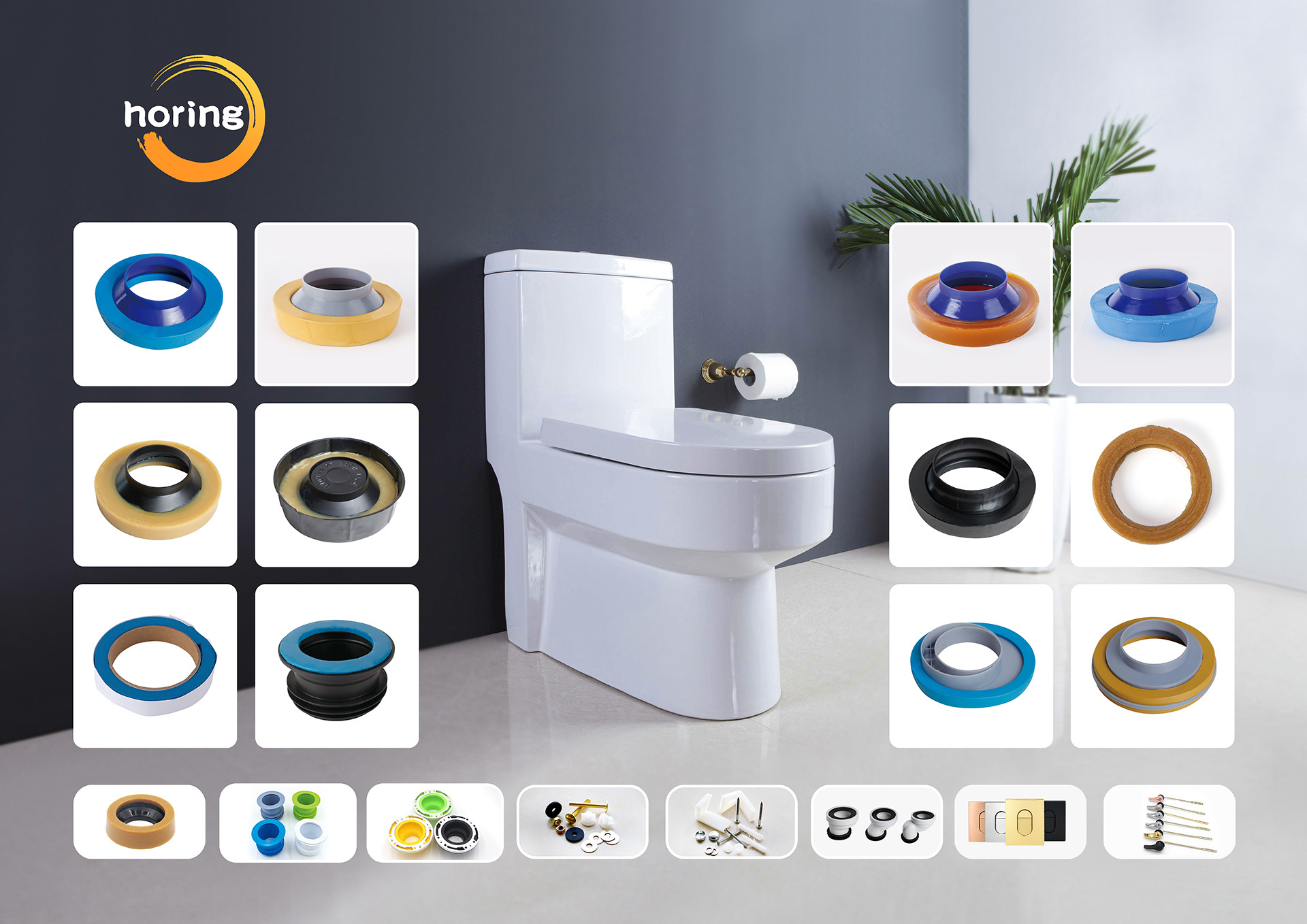

Choosing the Best Toilet Bowl Gasket Kit for Your DIY Projects
Release Time:
Apr 13,2025
Source:
Choosing the Best Toilet Bowl Gasket Kit for Your DIY Projects
When tackling a DIY project involving your toilet, one of the most critical components you need is a reliable toilet bowl gasket kit. Understanding how to choose the best kit for your specific requirements ensures a successful installation and helps prevent potential leaks or other plumbing issues in the future. In this comprehensive guide, we will walk you through everything you need to know about toilet bowl gaskets, including types, installation tips, and maintenance.
Table of Contents
- Understanding Toilet Bowl Gaskets
- Types of Toilet Bowl Gasket Kits
- Key Features to Look For in a Gasket Kit
- How to Install a Toilet Bowl Gasket
- Common Mistakes During Installation
- Gasket Maintenance Tips
- Frequently Asked Questions
- Conclusion
Understanding Toilet Bowl Gaskets
A **toilet bowl gasket** is a crucial component that seals the connection between the toilet bowl and the toilet flange on the floor. This gasket prevents water from leaking onto your bathroom floor and ensures that waste flows seamlessly into the plumbing. Made from various materials such as wax, rubber, or foam, toilet bowl gaskets come in different shapes and sizes, designed specifically for various toilet models.
The Importance of a Quality Gasket
Choosing a high-quality gasket is essential for a few reasons:
1. **Leak Prevention**: A good gasket creates a watertight seal, preventing leaks that can lead to extensive water damage.
2. **Durability**: Quality materials will withstand the test of time, ensuring your toilet functions correctly for years to come.
3. **Ease of Installation**: A well-designed gasket simplifies the DIY installation process, making it easier for homeowners to tackle plumbing projects themselves.
Types of Toilet Bowl Gasket Kits
When shopping for a toilet bowl gasket kit, you will encounter several options. Understanding these types can help you select the best fit for your toilet.
1. Wax Gasket Kits
Wax gaskets are the most common type of toilet bowl gasket. They are made from a thick layer of wax that conforms to the shape of the toilet flange, creating a tight seal. Wax gaskets are reliable and have been used for decades but can be messy to install.
2. Rubber Gasket Kits
Rubber gaskets offer a more modern alternative to wax. They are easier to handle and install, as they do not require the same level of preparation. Rubber gaskets are also more resistant to deterioration from water and chemicals.
3. Foam Gasket Kits
Foam gaskets are lightweight and flexible, offering excellent sealing properties. These kits are ideal for toilets that experience frequent movement or vibration. Foam gaskets are also easier to install due to their lightweight nature.
4. Specialty Gasket Kits
Some toilet models require specialty gaskets designed for unique shapes or features. Be sure to check your toilet’s specifications to find the right kit.
Key Features to Look For in a Gasket Kit
Selecting the right toilet bowl gasket kit involves considering several key features:
1. Compatibility
Ensure that the gasket kit you choose is compatible with your specific toilet model. Many manufacturers provide compatibility information on the packaging.
2. Material Quality
Consider the materials used in the gasket. High-quality materials will provide durability and resistance to water and chemicals, ensuring a long-lasting seal.
3. Ease of Installation
Look for kits that come with clear instructions and all the necessary tools. Some kits even include a wax ring with a built-in funnel for easier application.
4. Warranty
A warranty can provide peace of mind when making your purchase. Look for kits that offer a manufacturer warranty, indicating confidence in their product quality.
How to Install a Toilet Bowl Gasket
Installing a toilet bowl gasket is a straightforward process, but it requires attention to detail. Follow these steps to ensure a successful installation:
Step 1: Gather Your Tools
Before starting, gather the necessary tools: a wrench, a putty knife, a sponge, and a new toilet bowl gasket kit.
Step 2: Turn Off the Water Supply
Shut off the water supply to the toilet and flush to empty the tank. This will make the installation process cleaner and easier.
Step 3: Remove the Toilet
Disconnect the water supply line and carefully remove the toilet from the floor. You may need to unscrew the bolts holding it in place.
Step 4: Clean the Flange
Use a putty knife to scrape away any old wax or debris from the toilet flange. A clean surface is essential for a proper seal.
Step 5: Install the Gasket
Place the new gasket onto the flange, ensuring it sits evenly. If using a wax gasket, be sure it conforms well to the flange.
Step 6: Reinstall the Toilet
Carefully set the toilet back onto the flange, aligning the bolt holes. Press down firmly to compress the gasket and create a seal.
Step 7: Secure the Toilet
Tighten the bolts securely, but avoid overtightening, as this can crack the toilet base. Reattach the water supply line.
Step 8: Test for Leaks
Turn the water supply back on and check for leaks around the base of the toilet. If you notice any, you may need to reinstall the gasket.
Common Mistakes During Installation
To ensure a successful installation, avoid these common pitfalls:
1. Skipping the Cleaning Step
Neglecting to clean the flange thoroughly can result in leaks. Make sure to remove all old gasket material.
2. Improper Gasket Placement
Ensure the gasket is positioned correctly and sits flat against the flange. Misalignment can cause leaks.
3. Over-tightening the Bolts
While it's essential to secure the toilet, over-tightening can damage the porcelain or compress the gasket too much, leading to leaks.
Gasket Maintenance Tips
Once your toilet bowl gasket is installed, proper maintenance can prolong its life:
1. Regularly Inspect for Leaks
Periodically check around the base of your toilet for signs of leaks. Early detection can save you from larger issues later.
2. Use Gentle Cleaners
When cleaning your toilet, opt for gentle cleaners that won't degrade the gasket material. Avoid harsh chemicals that may cause deterioration.
3. Know When to Replace
If you notice a persistent odor, leaks, or the toilet feels loose, it may be time to replace the gasket. Addressing these issues promptly can prevent further complications.
Frequently Asked Questions
1. How often should I replace my toilet bowl gasket?
Replacement is typically necessary every 5-10 years, or sooner if you notice leaks or odors.
2. Can I use a wax gasket more than once?
No, wax gaskets are designed for single-use only; reuse can compromise the seal.
3. What should I do if my toilet is wobbling?
Check that the gasket is installed correctly and that the toilet is secured to the flange. If it still wobbles, consider tightening the bolts or replacing the gasket.
4. Are rubber gaskets better than wax gaskets?
It depends on your specific needs. Rubber gaskets are easier to install and more resistant to deterioration, while wax gaskets are traditional and effective if installed correctly.
5. How can I tell if my gasket is leaking?
Look for water pooling around the base of the toilet or a persistent odor. These are signs that the seal may be compromised.
Conclusion
Choosing the best toilet bowl gasket kit for your DIY projects can significantly impact your plumbing success. By understanding the types of gaskets available, their key features, and how to install and maintain them, you can ensure a leak-free and efficient toilet setup. Remember to select high-quality materials, follow proper installation procedures, and conduct regular maintenance checks. Armed with this knowledge, you are now well-equipped to tackle your toilet projects with confidence.
Related News
Social Media

Contact Information
Add: No.28, Xinyuan Road, Jimei District, Xiamen, Fujian Province, China
Tel: 15960289358 (David)
Tel: 15980991191 (Bruce)
Email: Monica@horing-sanitary.com (Monica Lin)
Email: sales@horing-sanitary.com (David)
Email: sales1@horing-sanitary.com (Bruce)
All Rights Reserved © 2024 Xiamen Horing Sanitary Co.,Ltd .