
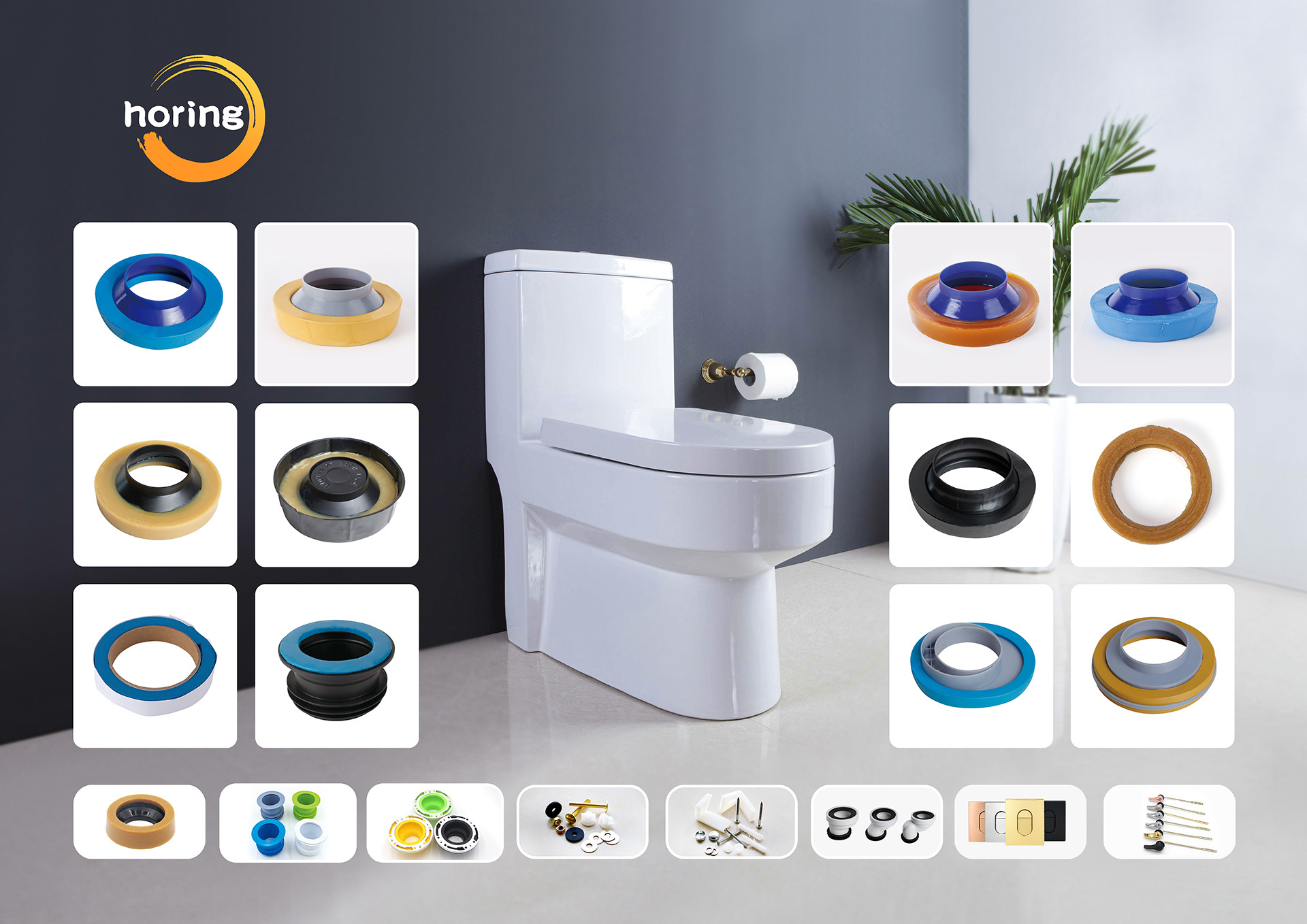

Understanding OEM Toilet Rubber Seal Rings: Essential Components for Optimal Performance
Release Time:
Apr 08,2025
Source:
---
In the realm of industrial equipment and components, particularly in the fasteners and fittings sector, the importance of seals cannot be overstated. One such component, the OEM toilet rubber seal ring, plays a crucial role in maintaining the integrity and performance of toilet systems. These rubber seal rings are specifically designed to provide a watertight seal between the toilet and the waste line, ensuring that any waste is effectively contained and that leaks are prevented.
OEM, or Original Equipment Manufacturer, refers to parts made to the exact specifications of the original product. This means that OEM toilet rubber seal rings are crafted to fit seamlessly into specific toilet models, ensuring optimal performance and longevity. Using OEM components is vital as they guarantee reliability and compatibility, reducing the risk of failures that can arise from using generic or poorly made substitutes.
The materials used in these seal rings are typically high-grade rubber, designed to withstand the stresses of daily use along with exposure to water and cleaning chemicals. This resilience is crucial because it ensures that the seals maintain their flexibility and shape over time, which is essential to preventing cracks or deformations that can lead to leaks. Furthermore, the right rubber formulation will also enhance resistance to mold and mildew, which can be common issues in damp bathroom environments.
When considering the installation or replacement of an OEM toilet rubber seal ring, it’s essential to follow proper procedures to ensure a secure fit. An improperly installed seal can lead to leaks, which not only cause inconvenience but can also result in water damage and increased maintenance costs. Therefore, it is advisable to consult with an industry professional or refer to the manufacturer's guidelines to ensure the correct installation process is followed.
Regular maintenance is also key to extending the lifespan of these components. Monitoring for signs of wear, such as changes in elasticity or visible cracks, can help identify when a replacement is necessary. Early detection of issues with the rubber seal can save homeowners from costly repairs and maintain the overall efficiency of their plumbing systems.
In conclusion, OEM toilet rubber seal rings are integral to the functionality of toilet systems in both residential and industrial applications. Understanding their importance, the materials used, and proper maintenance practices can significantly enhance the longevity and performance of these critical components. By investing in high-quality, OEM seals, users can ensure their toilets operate effectively, thus avoiding potential leaks and the problems associated with them.
In the realm of industrial equipment and components, particularly in the fasteners and fittings sector, the importance of seals cannot be overstated. One such component, the OEM toilet rubber seal ring, plays a crucial role in maintaining the integrity and performance of toilet systems. These rubber seal rings are specifically designed to provide a watertight seal between the toilet and the waste line, ensuring that any waste is effectively contained and that leaks are prevented.
OEM, or Original Equipment Manufacturer, refers to parts made to the exact specifications of the original product. This means that OEM toilet rubber seal rings are crafted to fit seamlessly into specific toilet models, ensuring optimal performance and longevity. Using OEM components is vital as they guarantee reliability and compatibility, reducing the risk of failures that can arise from using generic or poorly made substitutes.
The materials used in these seal rings are typically high-grade rubber, designed to withstand the stresses of daily use along with exposure to water and cleaning chemicals. This resilience is crucial because it ensures that the seals maintain their flexibility and shape over time, which is essential to preventing cracks or deformations that can lead to leaks. Furthermore, the right rubber formulation will also enhance resistance to mold and mildew, which can be common issues in damp bathroom environments.
When considering the installation or replacement of an OEM toilet rubber seal ring, it’s essential to follow proper procedures to ensure a secure fit. An improperly installed seal can lead to leaks, which not only cause inconvenience but can also result in water damage and increased maintenance costs. Therefore, it is advisable to consult with an industry professional or refer to the manufacturer's guidelines to ensure the correct installation process is followed.
Regular maintenance is also key to extending the lifespan of these components. Monitoring for signs of wear, such as changes in elasticity or visible cracks, can help identify when a replacement is necessary. Early detection of issues with the rubber seal can save homeowners from costly repairs and maintain the overall efficiency of their plumbing systems.
In conclusion, OEM toilet rubber seal rings are integral to the functionality of toilet systems in both residential and industrial applications. Understanding their importance, the materials used, and proper maintenance practices can significantly enhance the longevity and performance of these critical components. By investing in high-quality, OEM seals, users can ensure their toilets operate effectively, thus avoiding potential leaks and the problems associated with them.
Related News
Social Media

Contact Information
Add: No.28, Xinyuan Road, Jimei District, Xiamen, Fujian Province, China
Tel: 15960289358 (David)
Tel: 15980991191 (Bruce)
Email: Monica@horing-sanitary.com (Monica Lin)
Email: sales@horing-sanitary.com (David)
Email: sales1@horing-sanitary.com (Bruce)
All Rights Reserved © 2024 Xiamen Horing Sanitary Co.,Ltd .