
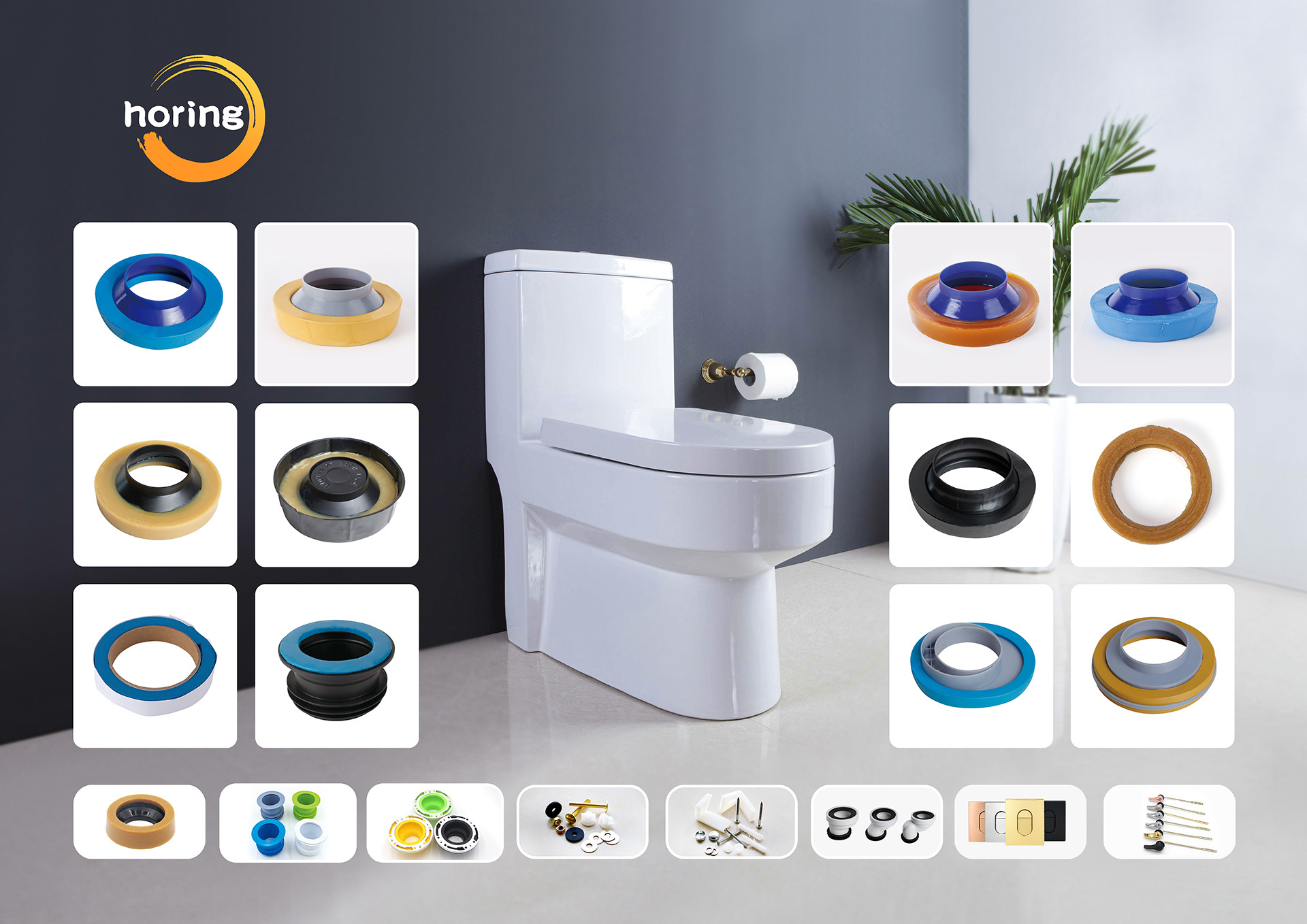

How to Ensure a Perfect Fit with Your Toilet Wax Ring Seal: A Comprehensive Guide
Release Time:
Apr 03,2025
Source:
How to Ensure a Perfect Fit with Your Toilet Wax Ring Seal
Table of Contents
- Introduction to Toilet Wax Ring Seals
- Understanding Toilet Wax Rings: What You Need to Know
- Types of Wax Rings: Choosing the Right One for Your Toilet
- Installation Process: Steps to Ensure a Perfect Fit
- Troubleshooting Common Issues with Wax Ring Seals
- Maintenance Tips for Longevity and Efficiency
- Frequently Asked Questions
- Conclusion: Ensuring a Leak-Free Installation
Introduction to Toilet Wax Ring Seals
Toilet wax ring seals play a crucial role in your bathroom plumbing system. They create a watertight seal between the toilet base and the floor flange, preventing leaks that could lead to water damage and costly repairs. Despite their importance, many homeowners overlook the details of selecting and installing the right wax ring, leading to frustration and waste. This comprehensive guide is designed to equip you with the knowledge and skills needed to ensure a perfect fit with your toilet wax ring seal.
Understanding Toilet Wax Rings: What You Need to Know
Toilet wax rings are made from a soft wax material that conforms to the contours of the toilet base and the flange on the floor. They are designed to fill the gaps and create a seal that prevents odors and water from escaping. Understanding how these seals work is essential for effective installation and maintenance.
How Wax Rings Function
When the toilet is bolted down, the weight of the toilet compresses the wax ring, allowing it to create a tight seal. Over time, however, the wax can harden or breakdown due to various factors, including temperature fluctuations and pressure. This degradation can lead to leaks and other complications, making it imperative to choose the right wax ring and install it correctly.
Types of Wax Rings: Choosing the Right One for Your Toilet
When selecting a wax ring, it's essential to consider the type that best suits your bathroom installation. Here are the three primary types of wax rings available on the market:
Standard Wax Rings
Standard wax rings are the most commonly used type. They are suitable for most toilet installations and provide a reliable seal. If your toilet is installed on a level floor without any height issues, a standard wax ring should suffice.
Extra Thick Wax Rings
For toilets installed on uneven floors or where the flange is positioned higher than normal, **extra thick wax rings** are recommended. These rings offer additional height, ensuring that the seal is effectively compressed when the toilet is installed.
Wax-Free Toilet Seals
Wax-free toilet seals are a relatively new alternative to traditional wax rings. Made from rubber or foam, these seals offer a mess-free installation and can be reused if necessary. They are ideal for homeowners who may not want to deal with the sticky residue of wax.
Installation Process: Steps to Ensure a Perfect Fit
Installing a toilet wax ring seal can be a straightforward process if you follow the necessary steps. Here’s how to ensure a perfect fit during installation:
Preparation: Tools and Materials Needed
Before beginning the installation, gather all the necessary tools and materials:
- **New wax ring seal** (choose the appropriate type)
- **Putty knife** for removing old wax
- **Adjustable wrench** for tightening bolts
- **Level** to ensure the toilet is installed evenly
- **Towels** or **sponges** for cleaning up spills
Step-by-Step Installation Guide
1. **Turn Off the Water Supply**: Before starting, turn off the water supply to the toilet and flush it to empty the tank.
2. **Remove the Old Toilet**: Disconnect the water supply line and carefully remove the toilet from its position, being cautious not to damage the flange.
3. **Clean the Flange**: Use a putty knife to scrape away any old wax residue from the flange and the bottom of the toilet. Ensure the surface is clean to allow for a proper seal.
4. **Position the New Wax Ring**: Place the wax ring on the flange or the bottom of the toilet (depending on the type you purchased). Ensure it is centered.
5. **Set the Toilet**: Carefully lower the toilet onto the wax ring, aligning the holes on the base with the bolts on the flange. Press down firmly to compress the wax.
6. **Secure the Toilet**: Tighten the bolts using an adjustable wrench, ensuring they are snug but not over-tightened to avoid cracking the toilet base.
7. **Reconnect the Water Supply**: Reattach the water supply line and turn the water supply back on. Check for leaks around the base and the connections.
8. **Test the Toilet**: Flush the toilet several times to ensure everything is working correctly and the seal is intact.
Troubleshooting Common Issues with Wax Ring Seals
Even with proper installation, you may encounter issues with your wax ring seal. Here are some common problems and their solutions:
Leaking Water
If you notice water pooling around the base of the toilet, it may indicate a faulty wax ring. Ensure that the toilet is properly secured and the wax ring is correctly compressed. If the leak persists, you may need to replace the wax ring.
Odor Issues
Unpleasant odors can suggest that the wax ring has deteriorated. Check for any cracks or gaps in the seal. In most cases, replacing the wax ring will resolve the issue.
Toilet Wobbling
A wobbly toilet can lead to improper sealing and leaks. If the toilet is not level, use shims to stabilize it before tightening the bolts fully.
Maintenance Tips for Longevity and Efficiency
To prolong the life of your wax ring seal and maintain a leak-free toilet, consider the following maintenance tips:
- **Regularly Inspect the Toilet**: Periodically check the base of the toilet for any signs of moisture or odors.
- **Avoid Excessive Pressure**: Do not apply excessive force on the toilet when sitting or using it, as this can compress the wax ring too much.
- **Install on a Level Surface**: Ensure that the toilet is installed on a level surface to prevent uneven wear on the wax ring.
- **Choose Quality Products**: Invest in high-quality wax rings or seals to minimize the risk of failure.
Frequently Asked Questions
1. How often should I replace my toilet wax ring?
Typically, a toilet wax ring should last for many years, but it’s wise to check for leaks or odors annually. If you notice any issues, consider replacement.
2. Can I reuse a wax ring?
It’s generally not recommended to reuse a wax ring, as it may lose its sealing properties. If you must reuse it, inspect it for cracks or deformities.
3. What is the difference between wax and wax-free seals?
Wax seals are traditional and create a solid seal but can be messy to install. Wax-free seals are usually easier to install and can be removed and reused without mess.
4. How do I know if my wax ring is leaking?
Signs of a leaking wax ring include water pooling around the base of the toilet and unpleasant odors coming from the bathroom.
5. Can I install a new wax ring myself?
Yes, with the right tools and following the proper steps, most homeowners can successfully install a new wax ring themselves.
Conclusion: Ensuring a Leak-Free Installation
Installing a toilet wax ring seal may seem daunting, but with the right information and preparation, you can achieve a perfect fit every time. Understanding the types of wax rings available, following proper installation procedures, and maintaining your toilet will help prevent leaks and extend the life of your bathroom fixtures. Whether you’re a DIY enthusiast or a professional, this guide will empower you to tackle your toilet installation with confidence. With careful attention to detail, you can ensure a reliable and efficient seal, keeping your bathroom in optimal condition for years to come.
Related News
Social Media

Contact Information
Add: No.28, Xinyuan Road, Jimei District, Xiamen, Fujian Province, China
Tel: 15960289358 (David)
Tel: 15980991191 (Bruce)
Email: Monica@horing-sanitary.com (Monica Lin)
Email: sales@horing-sanitary.com (David)
Email: sales1@horing-sanitary.com (Bruce)
All Rights Reserved © 2024 Xiamen Horing Sanitary Co.,Ltd .