
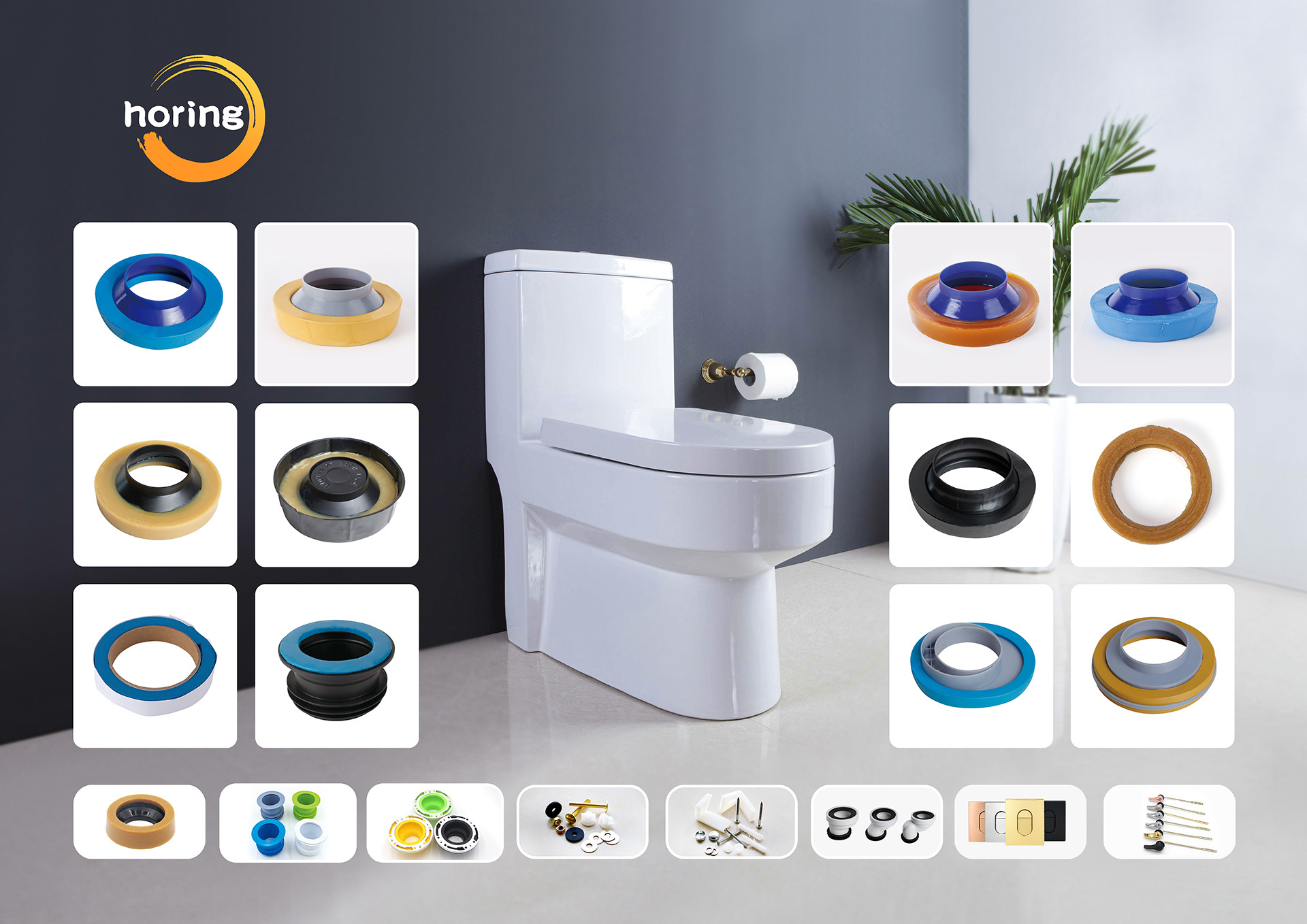

Understanding the Importance of ABS Toilet Flanges in Construction: A Comprehensive Guide
Release Time:
Mar 12,2025
Source:
Understanding the Importance of ABS Toilet Flanges in Construction
Table of Contents
- 1. Introduction to ABS Toilet Flanges
- 2. What is ABS (Acrylonitrile Butadiene Styrene)?
- 3. Advantages of Using ABS Toilet Flanges
- 4. Installation Process for ABS Toilet Flanges
- 5. Maintenance Tips for ABS Toilet Flanges
- 6. Common Issues with Toilet Flanges
- 7. Choosing the Right ABS Toilet Flange
- 8. Conclusion
- 9. FAQs: Frequently Asked Questions
1. Introduction to ABS Toilet Flanges
In the realm of construction and plumbing, the **toilet flange** plays a pivotal role. This essential component acts as a connector between the toilet and the sewer line, ensuring a secure fit that prevents leaks. Among the various materials available, **Acrylonitrile Butadiene Styrene (ABS)** has emerged as a popular choice for toilet flanges. Understanding the importance of ABS toilet flanges not only aids in making informed decisions during construction but also enhances the longevity and efficiency of plumbing systems.
2. What is ABS (Acrylonitrile Butadiene Styrene)?
ABS is a thermoplastic polymer known for its durability, impact resistance, and ease of handling. Commonly used in various applications, including pipes and fittings, ABS has gained traction in the plumbing industry due to its chemical resistance and structural integrity. When used for toilet flanges, ABS provides a **lightweight yet robust solution** that can withstand the rigors of everyday use.
2.1 The Composition of ABS
The unique composition of ABS includes three monomers: Acrylonitrile, Butadiene, and Styrene. This blend results in a material that can endure temperature fluctuations and resist corrosive substances, making it ideal for plumbing applications.
3. Advantages of Using ABS Toilet Flanges
Selecting ABS toilet flanges over other materials offers numerous benefits:
3.1 Durability and Longevity
ABS toilet flanges are designed to last. The material’s resistance to cracking and breaking under pressure ensures a **long-lasting performance**, making it a cost-effective choice for construction projects.
3.2 Chemical Resistance
In plumbing, exposure to various chemicals is inevitable. ABS flanges exhibit exceptional resistance to harsh substances, preventing degradation and maintaining integrity over time.
3.3 Lightweight Nature
The lightweight characteristic of ABS flanges simplifies transportation and installation. This feature not only reduces labor costs but also makes handling easier on the job site.
3.4 Ease of Installation
ABS flanges typically feature a **socket design**, allowing for straightforward installation with minimal tools. This user-friendly approach minimizes the potential for installation errors.
3.5 Cost-Effectiveness
Affordable yet reliable, ABS toilet flanges provide an economical solution for builders and contractors. When considering initial costs and long-term durability, ABS proves to be a wise choice.
4. Installation Process for ABS Toilet Flanges
The installation of an ABS toilet flange requires careful attention to detail. Here’s a step-by-step guide to ensure a successful setup:
4.1 Gather Necessary Tools and Materials
To start, gather all required tools: a wrench, a level, silicone sealant, and screws. Ensure you have the appropriate ABS toilet flange for your toilet model.
4.2 Prepare the Area
Before installation, clean the area where the flange will be placed. Remove any old flanges or debris to create a smooth surface.
4.3 Position the Flange
Place the ABS flange over the drain pipe, ensuring it is level. Check for alignment with the toilet mounting holes.
4.4 Secure the Flange
Use screws to secure the flange to the floor. Ensure it is tightly fastened to prevent any movement during use.
4.5 Apply Sealant
Once the flange is installed, apply silicone sealant around the edges to create a watertight seal. This step is crucial for preventing leaks.
4.6 Attach the Toilet
Finally, position the toilet over the flange and secure it according to the manufacturer’s instructions. Check for stability and ensure all bolts are tightened.
5. Maintenance Tips for ABS Toilet Flanges
To ensure the longevity and efficient performance of ABS toilet flanges, regular maintenance is essential:
5.1 Regular Inspections
Periodically check for signs of wear or damage. Look for cracks, leaks, or instability in the flange.
5.2 Clean with Caution
When cleaning around the toilet, avoid harsh chemicals that could degrade the ABS material. Use mild soap and water for routine maintenance.
5.3 Monitor for Leaks
Pay attention to any unusual odors or moisture around the base of the toilet. Early detection of leaks can prevent major issues down the line.
6. Common Issues with Toilet Flanges
Despite their durability, ABS toilet flanges can face certain challenges:
6.1 Cracking
Extreme temperature fluctuations can lead to cracking. It’s important to install flanges in controlled environments whenever possible.
6.2 Loosening
Over time, the screws securing the flange may loosen. Regularly check and tighten these screws as needed.
6.3 Incorrect Installation
Improper installation can lead to leaks and instability. Following the installation guide closely is crucial for success.
7. Choosing the Right ABS Toilet Flange
Selecting the appropriate ABS toilet flange can significantly impact the overall performance of your plumbing system. Consider the following factors:
7.1 Compatibility with Toilet Models
Ensure that the flange is compatible with the specific model of your toilet. Different toilets may require different flange dimensions.
7.2 Height Considerations
The height of the ABS flange should align with the flooring to provide a secure fit without any gaps or misalignment.
7.3 Quality and Brand Reputation
Invest in high-quality flanges from reputable manufacturers. This decision will affect the reliability and durability of your plumbing system.
8. Conclusion
ABS toilet flanges are indispensable components in modern construction and plumbing. Their durability, chemical resistance, and ease of installation make them a preferred choice for contractors and builders. By understanding the importance of these flanges and following best practices for installation and maintenance, one can ensure a robust and reliable plumbing system that stands the test of time.
9. FAQs: Frequently Asked Questions
9.1 What are the main advantages of ABS toilet flanges over PVC?
ABS flanges are generally more impact-resistant and better suited for cold environments, while PVC may be more prone to cracking. ABS also offers superior chemical resistance.
9.2 Can I install an ABS toilet flange on an uneven floor?
It is recommended to level the surface before installation. Using a wax ring or shim can help adjust for slight discrepancies, ensuring a secure fit.
9.3 How do I know if my ABS toilet flange is damaged?
Signs of damage include visible cracks, leaks, or the toilet feeling unstable. Regular inspections can help catch issues early.
9.4 Is it necessary to use silicone sealant with ABS flanges?
While not always mandatory, using silicone sealant is recommended to create a watertight seal and prevent leaks.
9.5 What should I do if my ABS flange becomes dislodged?
If the flange becomes dislodged, it is critical to re-secure it immediately. Check for any damage and consider replacing the flange if necessary.
In conclusion, understanding the significance of ABS toilet flanges in construction is vital for anyone involved in plumbing or building projects. Their unique properties and advantages make them indispensable for ensuring reliable and durable plumbing systems.
Related News
Social Media

Contact Information
Add: No.28, Xinyuan Road, Jimei District, Xiamen, Fujian Province, China
Tel: 15960289358 (David)
Tel: 15980991191 (Bruce)
Email: Monica@horing-sanitary.com (Monica Lin)
Email: sales@horing-sanitary.com (David)
Email: sales1@horing-sanitary.com (Bruce)
All Rights Reserved © 2024 Xiamen Horing Sanitary Co.,Ltd .