
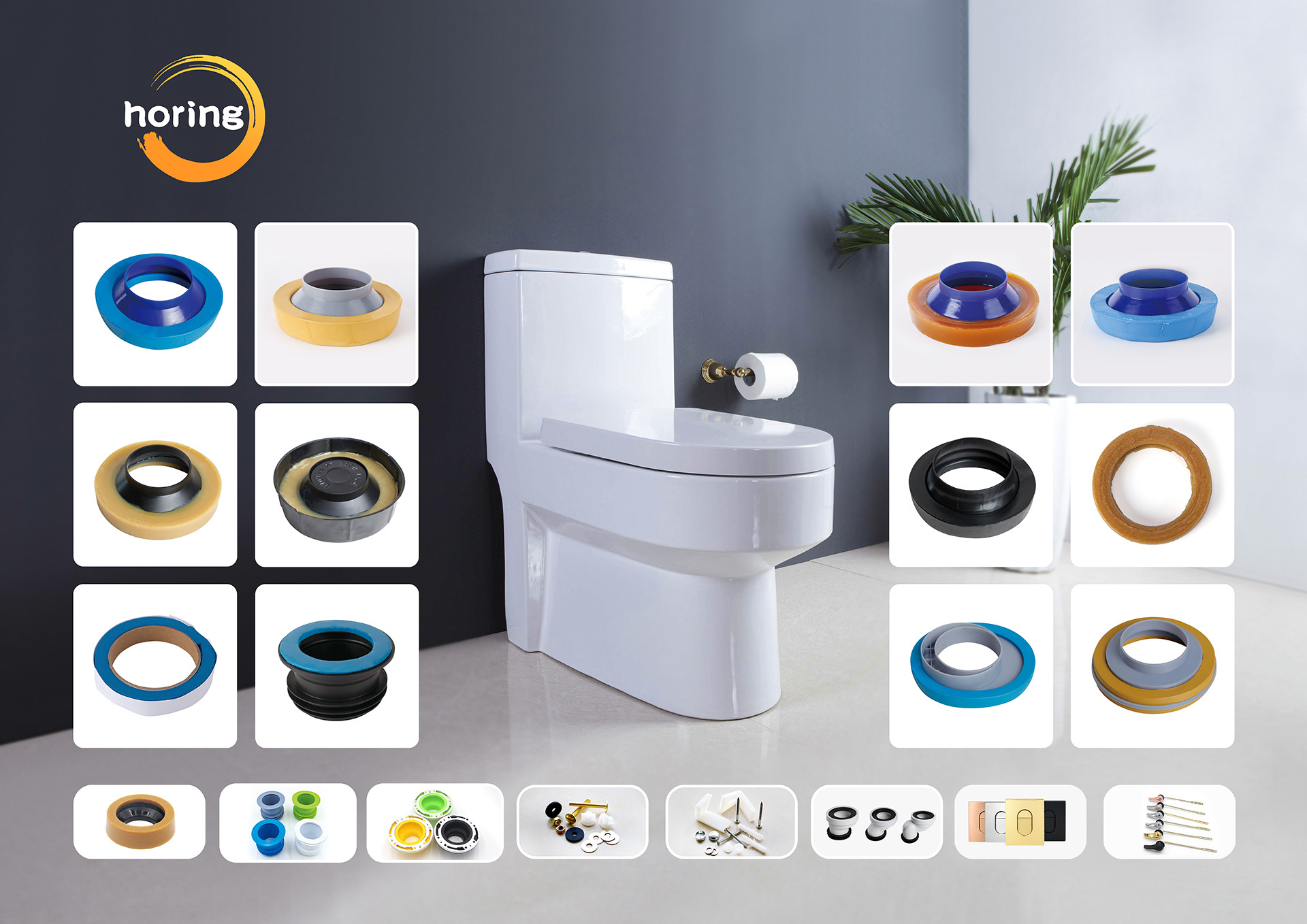

Exploring the Importance of Quality Toilet Cistern Bolts in Industrial Applications
Release Time:
Mar 04,2025
Source:
Exploring the Importance of Quality Toilet Cistern Bolts in Industrial Applications
Table of Contents
- Introduction to Toilet Cistern Bolts in Industrial Settings
- What are Toilet Cistern Bolts?
- Key Features of Quality Toilet Cistern Bolts
- The Importance of Quality in Industrial Applications
- Choosing the Right Toilet Cistern Bolts
- Installation Best Practices for Cistern Bolts
- Maintenance and Replacement of Cistern Bolts
- Conclusion
- Frequently Asked Questions
Introduction to Toilet Cistern Bolts in Industrial Settings
In industrial environments, the integrity and functionality of restroom facilities are often overlooked, yet they are crucial for maintaining a productive workplace. **Toilet cistern bolts** play a vital role in securing the toilet tank to the bowl, ensuring safe operation and preventing leaks that could lead to costly damages. Understanding the importance of these components can significantly impact operational efficiency and overall workplace hygiene.
What are Toilet Cistern Bolts?
**Toilet cistern bolts** are specialized fasteners designed to attach the toilet tank to the bowl securely. Typically made from materials resistant to corrosion and wear, these bolts are engineered to withstand the unique pressures and environmental conditions found in industrial settings. Their primary function is to ensure a watertight seal between the tank and bowl, preventing leaks and ensuring reliable toilet operation.
Components of Toilet Cistern Bolts
The standard cistern bolt assembly includes:
- **Bolts**: Usually crafted from stainless steel or brass for strength and corrosion resistance.
- **Washers**: Help distribute the load and prevent damage to the toilet's porcelain.
- **Nuts**: Secure the bolts in place, ensuring a tight fit.
This assembly ensures that the toilet tank remains firmly attached during use, reducing the risk of breakage or leaks.
Key Features of Quality Toilet Cistern Bolts
Selecting the right cistern bolts can have a significant impact on the longevity and reliability of toilet installations. Here are the key features to consider:
1. Material Composition
Quality cistern bolts are typically made of **stainless steel** or **brass**, materials known for their **corrosion resistance** and strength. Stainless steel is particularly favored in industrial applications due to its durability and ability to withstand harsh conditions.
2. Load-Bearing Capacity
The load-bearing capacity of cistern bolts is crucial for industrial toilets, which may experience higher usage than residential ones. Quality bolts must be engineered to handle significant weight without compromising integrity.
3. Thread Quality
The threading on cistern bolts should be precise to ensure easy installation and a secure fit. Poorly threaded bolts can lead to complications during installation and may result in leaks over time.
4. Finish and Coating
A quality finish, often a corrosion-resistant coating, helps prolong the life of the bolts. This is particularly important in industrial settings where exposure to moisture is common.
The Importance of Quality in Industrial Applications
In an industrial context, the consequences of using subpar **cistern bolts** can be detrimental. Here’s why quality matters:
1. Preventing Water Damage
Leaks resulting from inferior bolts can lead to extensive water damage. This not only increases repair costs but can also disrupt workflow and productivity.
2. Enhancing Safety Standards
Inconsistent toilet performance can pose safety risks, particularly in high-traffic areas. Quality cistern bolts ensure that toilets function reliably, adhering to safety regulations.
3. Reducing Maintenance Costs
Investing in high-quality cistern bolts can drastically reduce the need for repairs and replacements, leading to lower maintenance costs over time.
Choosing the Right Toilet Cistern Bolts
When selecting toilet cistern bolts for industrial applications, consider the following:
1. Assessing Environmental Conditions
Evaluate the environmental conditions where the bolts will be installed. For high-humidity environments, prioritize corrosion-resistant materials.
2. Load Requirements
Determine the load requirements based on the expected usage. This assessment will guide the selection of bolts with appropriate load-bearing capabilities.
3. Sourcing from Reputable Suppliers
Choose suppliers known for their commitment to quality and durability. Research customer reviews and product specifications to ensure you select the best options.
Installation Best Practices for Cistern Bolts
Proper installation of cistern bolts is key to ensuring longevity and performance.
1. Preparing the Surface
Ensure that the surfaces of the toilet tank and bowl are clean and free from debris. This step is crucial for achieving a proper seal.
2. Using the Correct Torque
Follow manufacturer specifications regarding torque settings during installation. Over-tightening can lead to cracking, while under-tightening may result in leaks.
3. Regular Inspections
Conduct periodic inspections of installed bolts to identify any signs of wear or corrosion early on.
Maintenance and Replacement of Cistern Bolts
To maintain optimal toilet performance, routine maintenance and, if necessary, replacement of cistern bolts should be conducted.
1. Signs of Wear
Look for signs of rust, corrosion, or loosening bolts. If any of these are present, it is time for a replacement.
2. Replacement Procedures
When replacing cistern bolts, always ensure that you are using high-quality replacements that meet or exceed original specifications.
3. Tips for Longevity
- Use a sealant to enhance the watertight seal.
- Avoid exposing bolts to extreme chemical cleaners that can cause corrosion.
Conclusion
The importance of quality toilet cistern bolts in industrial applications cannot be overstated. These seemingly small components play a critical role in ensuring the functionality, safety, and efficiency of restroom facilities. By investing in high-quality materials, following proper installation practices, and conducting regular maintenance, businesses can significantly enhance their operational reliability and minimize costs related to repairs and replacements. **Choosing the right cistern bolts** is an essential step toward creating a safe and efficient industrial environment.
Frequently Asked Questions
1. What materials are best for toilet cistern bolts?
Stainless steel and brass are recommended due to their corrosion resistance and durability in industrial settings.
2. How often should toilet cistern bolts be replaced?
It is advisable to inspect and potentially replace bolts every few years or sooner if signs of wear appear.
3. Can I install cistern bolts myself?
Yes, with the right tools and knowledge of proper installation techniques, you can install cistern bolts yourself.
4. What are the signs of a failing cistern bolt?
Signs include rust, corrosion, leaks, or loose fittings.
5. How do I maintain my toilet cistern bolts?
Regularly inspect for wear, clean surfaces to prevent corrosion, and replace bolts as needed to ensure optimal performance.
Related News
Social Media

Contact Information
Add: No.28, Xinyuan Road, Jimei District, Xiamen, Fujian Province, China
Tel: 15960289358 (David)
Tel: 15980991191 (Bruce)
Email: Monica@horing-sanitary.com (Monica Lin)
Email: sales@horing-sanitary.com (David)
Email: sales1@horing-sanitary.com (Bruce)
All Rights Reserved © 2024 Xiamen Horing Sanitary Co.,Ltd .