
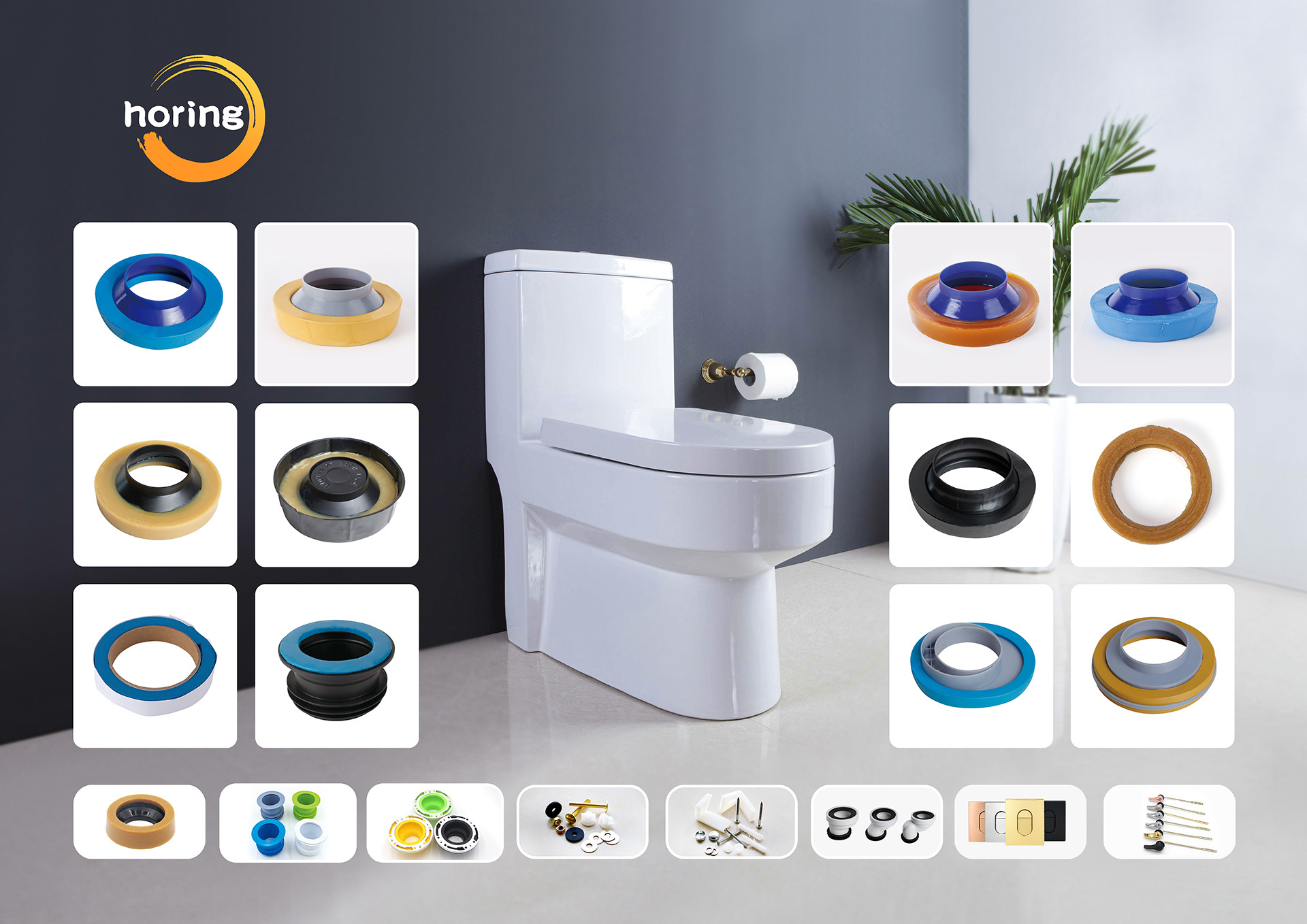

Essential Guide to New Closet Flange Bolts: Choosing the Right Ones for Your Project
Release Time:
Mar 02,2025
Source:
Essential Guide to New Closet Flange Bolts: Choosing the Right Ones for Your Project
When it comes to bathroom renovations, selecting the right materials can significantly impact the longevity and functionality of your plumbing fixtures. One often-overlooked component is the closet flange bolt. These seemingly minor connection elements play a crucial role in securing your toilet to the floor, ensuring a watertight seal and stability. In this guide, we will explore everything you need to know about closet flange bolts, including their types, materials, installation processes, and how to choose the right ones for your specific project.
Table of Contents
- What Are Closet Flange Bolts?
- Types of Closet Flange Bolts
- Materials Used for Closet Flange Bolts
- Sizes and Dimensions of Closet Flange Bolts
- Installation Process for Closet Flange Bolts
- Common Installation Issues and Solutions
- Maintenance and Care for Closet Flange Bolts
- Conclusion
- FAQs
What Are Closet Flange Bolts?
Closet flange bolts are specialized fasteners designed to secure a toilet to the closet flange, which is mounted on the floor. They typically come in pairs, with each bolt inserted into the flange and extending upwards to accommodate the toilet's mounting holes. These bolts ensure that the toilet remains stable, preventing rocking or shifting that could lead to leaks or other plumbing issues.
Types of Closet Flange Bolts
Understanding the different types of closet flange bolts is essential for selecting the most suitable option for your project. Here are the main varieties:
Standard Closet Flange Bolts
Standard closet flange bolts are the most commonly used type and are typically made of steel or brass. They feature a flat head and are designed to be adjusted with a wrench or socket.
Adjustable Closet Flange Bolts
Adjustable closet flange bolts offer flexibility in installation. They often come with a set of nuts that allow for height adjustment, making them ideal for uneven floor surfaces.
Wax Ring-Compatible Closet Flange Bolts
These bolts are designed to work seamlessly with wax rings, ensuring a perfect seal. They come in various heights to accommodate different toilet models.
Materials Used for Closet Flange Bolts
The material of closet flange bolts plays a critical role in their durability and performance. Here are some common materials used:
Brass
Brass is highly resistant to corrosion and offers excellent strength. It is often preferred for its aesthetic appeal and longevity, making it suitable for high-end installations.
Stainless Steel
Stainless steel is another popular choice due to its resistance to rust and staining. It is durable and ideal for areas with high humidity, such as bathrooms.
Plastic
Plastic closet flange bolts are lightweight and resistant to corrosion, but they may not provide the same level of strength as metal options. They are often used in less demanding applications.
Sizes and Dimensions of Closet Flange Bolts
Choosing the right size for closet flange bolts is crucial for a secure installation. Here's what you need to consider:
Length
Closet flange bolts typically come in lengths ranging from 2 to 4 inches. The length you need will depend on the thickness of your toilet base and the height of the closet flange.
Diameter
The standard diameter for closet flange bolts is 1/4 inch, which fits most toilet mounting holes. However, always check your toilet specifications to ensure compatibility.
Installation Process for Closet Flange Bolts
Installing closet flange bolts is a straightforward process if done correctly. Follow these steps to ensure a proper and secure installation:
Step 1: Prepare the Area
Before beginning the installation, ensure that the area around the closet flange is clean and free of debris. This will help achieve a proper seal.
Step 2: Insert the Bolts
Insert the closet flange bolts into the designated holes in the flange. Ensure that the bolts are evenly spaced and positioned correctly.
Step 3: Secure the Toilet
Carefully lower the toilet onto the bolts, aligning the mounting holes with the bolts. Press down firmly to create a seal with the wax ring.
Step 4: Tighten the Nuts
Using a wrench, tighten the nuts onto the bolts. Be cautious not to overtighten, as this can crack the toilet base.
Step 5: Test for Stability
Once installed, gently rock the toilet back and forth to ensure it is stable. If there is any movement, tighten the nuts further.
Common Installation Issues and Solutions
Even with careful installation, issues can arise. Here are some common problems and how to address them:
Problem 1: Leaks Around the Base
If you notice water pooling around the toilet base, this could indicate a leak. Check the wax ring for damage and replace it if necessary.
Problem 2: Loose Toilet
A loose toilet can lead to rocking and leaks. If the toilet feels unstable, tighten the nuts on the closet flange bolts carefully.
Problem 3: Corrosion of Bolts
Over time, closet flange bolts can corrode, especially in humid environments. Regularly inspect the bolts and replace them if any signs of corrosion are present.
Maintenance and Care for Closet Flange Bolts
Regular maintenance can prolong the life of your closet flange bolts. Here are some tips:
Regular Inspections
Periodically check the condition of your closet flange bolts for signs of wear or corrosion. Early detection can prevent larger plumbing issues.
Cleaning
Wipe down the area around the bolts with a damp cloth to remove dust and debris. This helps maintain a clean and functional installation.
Replacement
If you notice any damage or corrosion, replace the bolts immediately to ensure the stability and safety of your toilet.
Conclusion
Choosing the right closet flange bolts is critical for ensuring a secure and stable toilet installation. By understanding the different types, materials, sizes, and installation processes, you can make informed decisions that will contribute to the longevity of your plumbing fixtures. Regular maintenance and timely replacements will further ensure that your bathroom remains functional and leak-free. Whether you're a DIY enthusiast or a professional, this essential guide equips you with the knowledge needed to tackle your next project with confidence.
FAQs
1. How do I know what size closet flange bolts to buy?
Measure the distance from the closet flange to the toilet mounting hole and consider the thickness of the toilet base to determine the appropriate length. The standard diameter is typically 1/4 inch.
2. Can I use regular bolts instead of closet flange bolts?
It is not recommended to use regular bolts, as closet flange bolts are specifically designed for plumbing applications and offer the necessary strength and corrosion resistance.
3. How often should I replace my closet flange bolts?
Inspect closet flange bolts regularly for signs of corrosion or damage. Replace them if necessary or if you notice instability in your toilet.
4. What is the best material for closet flange bolts?
Brass and stainless steel are excellent choices due to their strength and resistance to corrosion. Plastic options may be used in less demanding applications.
5. Can I install closet flange bolts without professional help?
Yes, many DIY enthusiasts can successfully install closet flange bolts with the right tools and instructions. However, if you are unsure, it is always wise to consult a professional.
Related News
Social Media

Contact Information
Add: No.28, Xinyuan Road, Jimei District, Xiamen, Fujian Province, China
Tel: 15960289358 (David)
Tel: 15980991191 (Bruce)
Email: Monica@horing-sanitary.com (Monica Lin)
Email: sales@horing-sanitary.com (David)
Email: sales1@horing-sanitary.com (Bruce)
All Rights Reserved © 2024 Xiamen Horing Sanitary Co.,Ltd .