
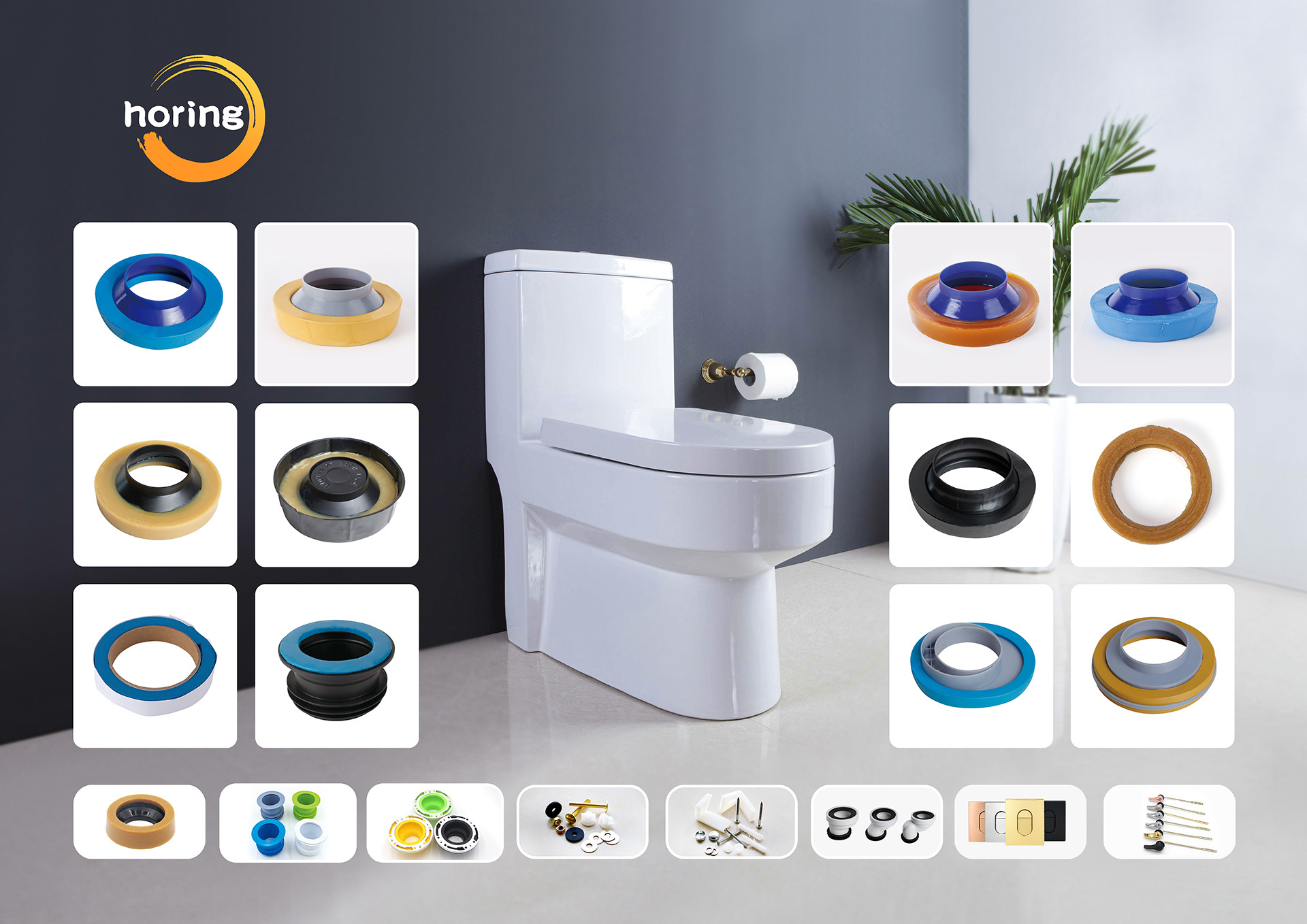

Exploring Quality: Why Choose an ABS Toilet Flange for Your Next Project
Release Time:
Feb 20,2025
Source:
Exploring Quality: Why Choose an ABS Toilet Flange for Your Next Project
Table of Contents
- Introduction to ABS Toilet Flanges
- What is ABS?
- Advantages of ABS Toilet Flanges
- 1. Durability and Strength
- 2. Easy Installation
- 3. Cost-Effectiveness
- 4. Chemical Resistance
- 5. Temperature Resistance
- How to Install an ABS Toilet Flange
- Common Issues with Toilet Flanges
- FAQs About ABS Toilet Flanges
- Conclusion
Introduction to ABS Toilet Flanges
When it comes to plumbing projects, the importance of choosing the right materials cannot be overstated. One critical component of a toilet installation is the toilet flange, which serves as the connection between the toilet and the drainpipe in the floor. Among various materials available, **Acrylonitrile Butadiene Styrene (ABS)** stands out as a preferred choice for many professionals and DIY enthusiasts alike. This article delves deep into the quality of ABS toilet flanges, exploring why they are an exceptional option for your next plumbing project.
What is ABS?
ABS, or Acrylonitrile Butadiene Styrene, is a thermoplastic polymer known for its toughness and impact resistance. Commonly used in various applications, including plumbing, ABS is especially favored for its excellent strength-to-weight ratio, making it an ideal material for toilet flanges. Its properties allow it to withstand various environmental factors, ensuring a long-lasting solution for plumbing needs.
Advantages of ABS Toilet Flanges
Choosing an ABS toilet flange brings several advantages that can significantly enhance the quality and reliability of your plumbing projects. Below, we will discuss some of the key benefits in detail.
1. Durability and Strength
ABS toilet flanges are renowned for their **durability**. They can resist impacts and pressures, making them suitable for high-traffic environments. Unlike other materials, such as PVC or metal, ABS does not corrode or degrade over time, which means less frequent replacements and maintenance. This strength is particularly advantageous in residential and commercial plumbing applications where longevity is essential.
2. Easy Installation
Another significant advantage of ABS toilet flanges is their **ease of installation**. The lightweight nature of ABS makes it manageable for installation, even for those with minimal plumbing experience. Often, all that is required is a simple connection to the existing plumbing system. The flanges also come with pre-drilled holes for bolting the toilet securely, which simplifies the entire process.
3. Cost-Effectiveness
When considering budget constraints, **cost-effectiveness** is a critical factor. ABS toilet flanges are typically less expensive than their metal counterparts. Additionally, their durability means that you will save on future repair costs, making them a financially smart choice for long-term projects.
4. Chemical Resistance
Plumbing systems often encounter various chemicals, from cleaning agents to wastewater. ABS toilet flanges exhibit **excellent chemical resistance**, ensuring that they do not degrade when exposed to common household chemicals. This property is particularly important for maintaining the integrity of the plumbing system and avoiding leaks that can lead to costly damages.
5. Temperature Resistance
Temperature fluctuations can impact plumbing materials. ABS flanges can typically withstand a range of temperatures, providing **good temperature resistance**. This characteristic ensures that the flange remains stable even in varying conditions, further extending its lifespan and reliability.
How to Install an ABS Toilet Flange
Installing an ABS toilet flange is a straightforward process that can be accomplished with the right tools and precautions. Here’s a step-by-step guide to help you through the installation:
Step 1: Gather Necessary Tools
Before starting, collect the following tools:
- Adjustable wrench
- Screwdriver
- Level
- Tape measure
- PVC cement (if necessary)
Step 2: Prepare the Area
Ensure the area around the toilet is clean and free of debris. If you are replacing an old flange, remove it and clean up any remaining wax or debris.
Step 3: Position the Flange
Place the ABS toilet flange over the drain hole. Use a level to ensure it is even with the finished floor surface. It should sit flat and secure to prevent any rocking of the toilet.
Step 4: Secure the Flange
Using the pre-drilled holes, secure the flange to the floor using screws. Ensure that it is firmly attached for stability. If you are using PVC cement, apply it as per the manufacturer’s instructions.
Step 5: Install the Wax Ring and Toilet
Place a wax ring on top of the ABS flange, then position the toilet over the flange. Press down firmly to create a seal. Secure the toilet to the flange with bolts.
Step 6: Final Checks
Check for any leaks by flushing the toilet. Ensure the connection is secure, and there are no signs of water leakage around the flange.
Common Issues with Toilet Flanges
While ABS toilet flanges are known for their durability, some issues can arise during installation or over time. Here are a few common problems and their solutions:
Issue 1: Leaks
Leaks can occur if the flange is not installed correctly or if the wax ring is damaged. Always ensure a proper seal is created during installation and replace the wax ring if leaks are detected.
Issue 2: Cracked Flange
Cracking can happen due to excessive pressure or impact. Always handle the flange with care during installation to avoid damaging it.
Issue 3: Worn-Out Bolts
Over time, bolts securing the toilet can wear out. Regularly check the bolts for signs of wear and replace them if necessary to maintain a secure connection.
FAQs About ABS Toilet Flanges
1. What is the lifespan of an ABS toilet flange?
An ABS toilet flange can last for many years, often outlasting other materials due to its resistance to corrosion and degradation.
2. Can I use ABS flanges with PVC pipes?
Yes, ABS flanges can be used with PVC piping, but you may need a specially designed adapter to ensure a secure connection.
3. Are ABS toilet flanges suitable for outdoor use?
While ABS is durable, prolonged exposure to UV rays can cause it to degrade. Therefore, it's best to use ABS flanges in covered or indoor applications.
4. How do I know if my toilet flange needs to be replaced?
Symptoms such as leaks, wobbling toilets, or a cracked flange indicate that it may need replacement.
5. Are there any special maintenance tips for ABS toilet flanges?
Regularly inspect the flange and surrounding area for signs of wear, leaks, or degradation to catch any issues early.
Conclusion
Choosing the right toilet flange is essential for ensuring a reliable plumbing installation. ABS toilet flanges provide exceptional durability, ease of installation, and cost-effectiveness. Their resistance to chemicals and temperature fluctuations makes them a solid choice for both residential and commercial projects. By understanding the advantages and installation tips outlined in this article, you can confidently select an ABS toilet flange for your next plumbing endeavor, ensuring quality and longevity in your work.
Related News
Social Media

Contact Information
Add: No.28, Xinyuan Road, Jimei District, Xiamen, Fujian Province, China
Tel: 15960289358 (David)
Tel: 15980991191 (Bruce)
Email: Monica@horing-sanitary.com (Monica Lin)
Email: sales@horing-sanitary.com (David)
Email: sales1@horing-sanitary.com (Bruce)
All Rights Reserved © 2024 Xiamen Horing Sanitary Co.,Ltd .