

Essential Guide to Toilet Tank Mounting Bolts: Understanding Their Importance in Plumbing
Release Time:
Feb 13,2025
Source:
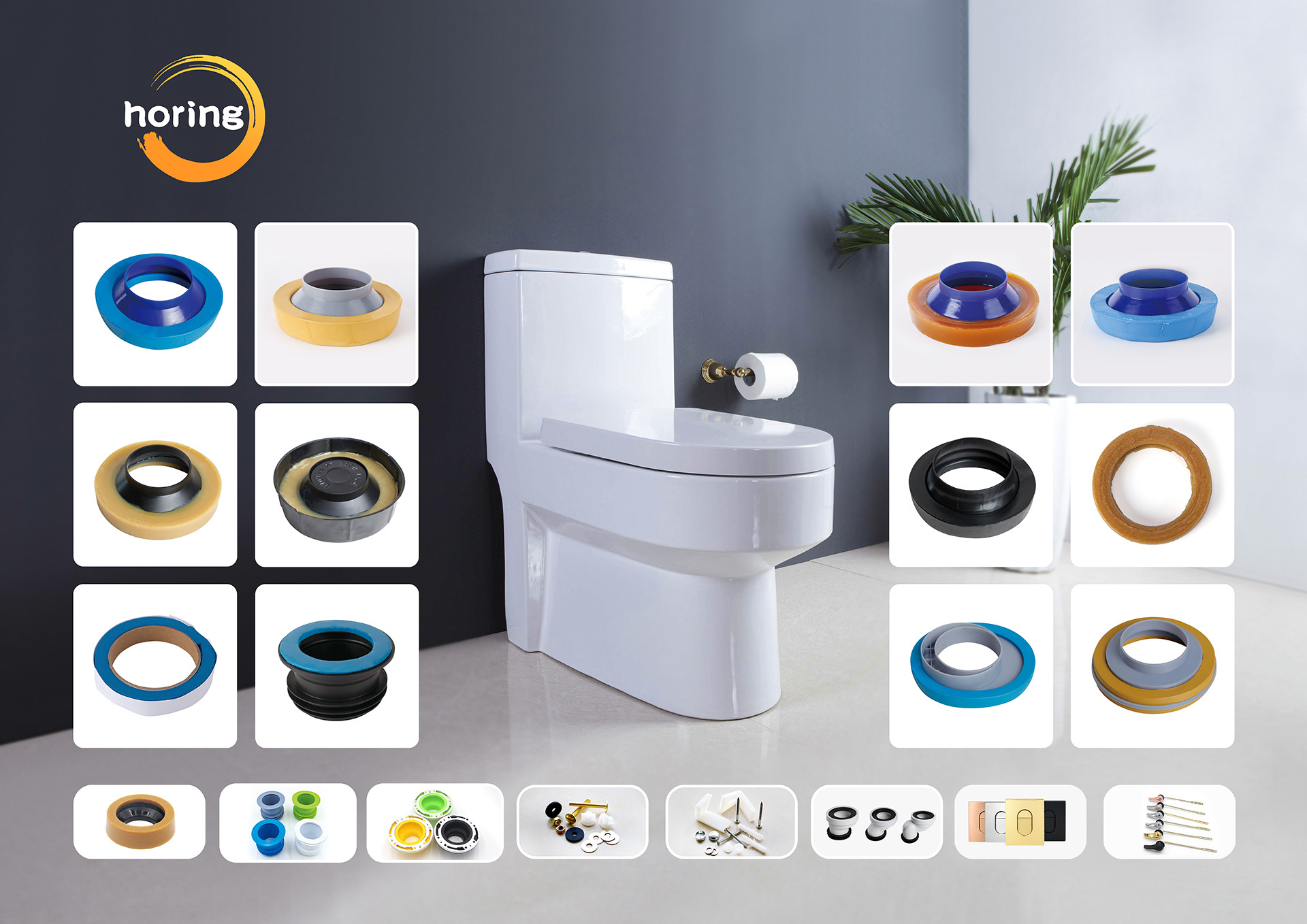
Toilet tank mounting bolts are essential components that secure the toilet tank to the bowl, ensuring a leak-free and sturdy setup. These bolts are typically made from various materials, including stainless steel and brass, which resist corrosion and provide durability. When selecting toilet tank mounting bolts, it’s important to consider their compatibility with your toilet model and the specific requirements of your plumbing system.
The installation of toilet tank mounting bolts is a straightforward process, but it requires attention to detail to ensure a proper fit. Begin by aligning the tank with the bowl, positioning the bolts through the designated holes in the base of the tank. Ensure you have the appropriate washers and nuts, as these components play a vital role in preventing leaks. When tightening the bolts, it is crucial to apply even pressure to avoid cracking the ceramic of the toilet tank or bowl.
Maintenance is another aspect that should not be overlooked. Over time, the mounting bolts can loosen due to vibration or thermal expansion and contraction. Regular inspection of the bolts can help identify any issues early, preventing potential leaks and damage. If you notice any signs of rust or corrosion, consider replacing the bolts promptly to maintain the integrity of your toilet system.
Additionally, understanding the various types of toilet tank mounting bolts available can help you make a more informed choice. For instance, some may have a rubber gasket that aids in sealing, while others come with nylon washers designed to enhance leak protection. You can also find bolts with different lengths and thread sizes, allowing for customization based on your specific installation needs.
In summary, toilet tank mounting bolts might seem like small components in the grand scheme of plumbing, but they play a pivotal role in the overall functionality and safety of your bathroom fixtures. By ensuring the correct installation and regular maintenance, you can prevent common issues such as leaks and instability, ensuring a reliable toilet system for years to come. Be sure to keep these considerations in mind when dealing with your toilet mounting needs, and consult with professionals if you require further assistance.
The installation of toilet tank mounting bolts is a straightforward process, but it requires attention to detail to ensure a proper fit. Begin by aligning the tank with the bowl, positioning the bolts through the designated holes in the base of the tank. Ensure you have the appropriate washers and nuts, as these components play a vital role in preventing leaks. When tightening the bolts, it is crucial to apply even pressure to avoid cracking the ceramic of the toilet tank or bowl.
Maintenance is another aspect that should not be overlooked. Over time, the mounting bolts can loosen due to vibration or thermal expansion and contraction. Regular inspection of the bolts can help identify any issues early, preventing potential leaks and damage. If you notice any signs of rust or corrosion, consider replacing the bolts promptly to maintain the integrity of your toilet system.
Additionally, understanding the various types of toilet tank mounting bolts available can help you make a more informed choice. For instance, some may have a rubber gasket that aids in sealing, while others come with nylon washers designed to enhance leak protection. You can also find bolts with different lengths and thread sizes, allowing for customization based on your specific installation needs.
In summary, toilet tank mounting bolts might seem like small components in the grand scheme of plumbing, but they play a pivotal role in the overall functionality and safety of your bathroom fixtures. By ensuring the correct installation and regular maintenance, you can prevent common issues such as leaks and instability, ensuring a reliable toilet system for years to come. Be sure to keep these considerations in mind when dealing with your toilet mounting needs, and consult with professionals if you require further assistance.
Related News
Social Media

Contact Information
Add: No.28, Xinyuan Road, Jimei District, Xiamen, Fujian Province, China
Tel: 15960289358 (David)
Tel: 15980991191 (Bruce)
Email: Monica@horing-sanitary.com (Monica Lin)
Email: sales@horing-sanitary.com (David)
Email: sales1@horing-sanitary.com (Bruce)
All Rights Reserved © 2024 Xiamen Horing Sanitary Co.,Ltd .