
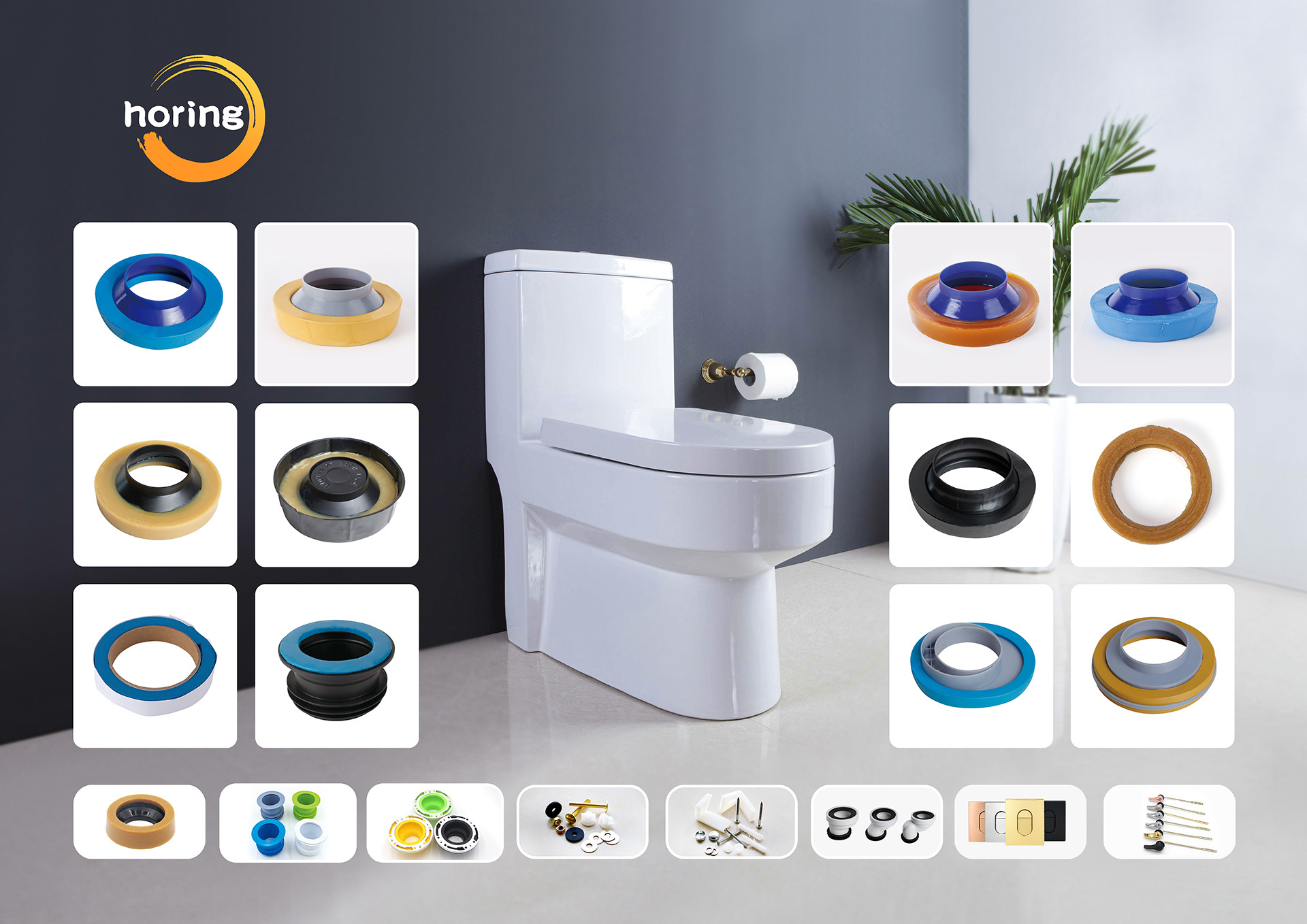

Mastering DIY Projects: Harnessing the Power of Closet Flange Bolts with Ease
Release Time:
Feb 10,2025
Source:
Mastering DIY Projects: Harnessing the Power of Closet Flange Bolts with Ease
Table of Contents
- Introduction to Closet Flange Bolts in DIY Projects
- What are Closet Flange Bolts?
- Benefits of Using Closet Flange Bolts in Your Projects
- Common DIY Projects Utilizing Closet Flange Bolts
- Step-by-Step Guide to Using Closet Flange Bolts
- Tips for Selecting the Right Closet Flange Bolts
- Safety Considerations When Using Closet Flange Bolts
- Maintenance and Care for Closet Flange Bolts
- Conclusion
- FAQs About Closet Flange Bolts and DIY Projects
Introduction to Closet Flange Bolts in DIY Projects
In the realm of DIY projects, **closet flange bolts** play a pivotal role, offering versatility and reliability. As fasteners designed specifically for joining components, these bolts are indispensable for various home improvement tasks. Understanding how to effectively utilize closet flange bolts can significantly enhance the quality and durability of your projects.
What are Closet Flange Bolts?
Closet flange bolts are **specialized fasteners** used primarily for securing toilet flanges to the floor. They typically consist of a threaded shaft with a flat head, making them ideal for applications requiring tight and secure fastening. Their robust design ensures they can withstand heavy loads and provide stability in various installations.
Components of Closet Flange Bolts
The main components of closet flange bolts include:
- **Threaded Shaft**: The part that screws into the flange or base material.
- **Flat Head**: Provides a larger surface area to distribute the load evenly and prevent pull-through.
- **Nut and Washer**: Often included, these components help secure the bolt in place and enhance stability.
Benefits of Using Closet Flange Bolts in Your Projects
Utilizing closet flange bolts in your DIY projects offers numerous advantages. Here are some key benefits:
1. Enhanced Stability
Closet flange bolts provide a **solid anchoring point** for fixtures, ensuring they remain securely in place even under significant weight and pressure.
2. Versatility in Applications
These bolts can be used in a variety of projects beyond toilets, including securing plumbing fixtures, mounting cabinets, or even creating custom furniture.
3. Easy Installation
With straightforward installation procedures, even novice DIYers can effectively use closet flange bolts, making them a popular choice for many home improvement tasks.
4. Cost-Effectiveness
Closet flange bolts are relatively inexpensive, allowing homeowners to complete projects without breaking the bank.
Common DIY Projects Utilizing Closet Flange Bolts
Closet flange bolts can be employed in various projects across the home. Here are some popular applications:
1. Installing Toilets
One of the primary uses of closet flange bolts is to secure toilet bases to the floor. Proper installation ensures that the toilet remains stable and prevents leaks.
2. Securing Plumbing Fixtures
In addition to toilets, these bolts can be used to secure sinks and other plumbing fixtures, providing a strong, leak-proof seal.
3. Furniture Construction
Closet flange bolts can be used in DIY furniture projects, such as building custom tables or shelves, where strong, stable connections are essential.
4. Mounting Heavy Items
Use closet flange bolts to mount heavy items like wall shelves or cabinetry, ensuring a secure hold that can bear significant weight.
Step-by-Step Guide to Using Closet Flange Bolts
To maximize the effectiveness of closet flange bolts in your DIY projects, follow these steps:
1. Gather Your Tools and Materials
You'll need:
- Closet flange bolts (appropriate size)
- Washers and nuts
- Drill
- Screwdriver
- Level
- Measuring tape
- Safety goggles
2. Prepare the Area
Ensure the surface where you’ll be working is clean and free of debris. If you’re installing a toilet, make sure the old flange is removed and the area is dry.
3. Position the Flange
Place the flange in the desired location. Use a level to ensure it's straight, and mark the anchor points.
4. Drill Holes for the Bolts
Using your drill, create pilot holes based on the marked points. Ensure the holes are deep enough to accommodate the length of the bolts.
5. Insert the Closet Flange Bolts
Place the bolts through the flange and into the drilled holes. Secure them in place with washers and nuts. Tighten them to ensure a snug fit, but avoid overtightening, which can damage the flange.
6. Check for Stability
Once installed, check the stability of your fixture. If it wobbles, adjust the bolts as necessary to achieve a secure fit.
Tips for Selecting the Right Closet Flange Bolts
Choosing the right closet flange bolts is crucial for the success of your projects. Consider the following when making your selection:
1. Material
Opt for bolts made from **corrosion-resistant materials** such as stainless steel or brass, especially for wet areas.
2. Size
Choose bolts that fit your specific flange size. Standard sizes typically range from ¼ inch to ¾ inch in diameter.
3. Thread Type
Select bolts with the appropriate thread type for your application. Coarse threads are suitable for softer materials, while fine threads provide better hold in harder materials.
Safety Considerations When Using Closet Flange Bolts
Safety is paramount in any DIY project. Follow these considerations when working with closet flange bolts:
1. Wear Protective Gear
Always wear safety goggles and gloves to protect against sharp edges and debris.
2. Ensure Proper Ventilation
If working in enclosed spaces, ensure good ventilation, especially when using power tools.
3. Follow Manufacturer Instructions
Adhere to the guidelines provided by the manufacturer for the best results and to avoid accidents.
Maintenance and Care for Closet Flange Bolts
To ensure the longevity of closet flange bolts, regular maintenance is essential:
1. Inspect for Rust
Periodically check for signs of corrosion or rust, especially in damp areas. Replace any bolts that show significant wear.
2. Tighten Loose Bolts
Check for loose bolts regularly, especially after heavy use, and tighten them as needed to maintain stability.
3. Clean the Area
Keep the area around the bolts clean and dry to prevent buildup of debris or moisture that could lead to rust.
Conclusion
Closet flange bolts are versatile fasteners that can significantly enhance your DIY projects, providing stability and durability where you need it most. From securing toilets to constructing custom furniture, understanding how to effectively use these fasteners opens up a world of possibilities for home improvement enthusiasts. By following best practices and safety guidelines, you can harness the full potential of closet flange bolts, ensuring your projects stand the test of time.
FAQs About Closet Flange Bolts and DIY Projects
1. What are the common sizes of closet flange bolts?
Common sizes include ¼ inch, 3/8 inch, and ½ inch. The size you need will depend on your specific application.
2. Can closet flange bolts be reused?
While it is possible to reuse closet flange bolts, it's advisable to inspect them for wear and corrosion before reinstallation. In many cases, replacing them is safer.
3. What tools do I need to install closet flange bolts?
Basic tools include a drill, screwdriver, level, measuring tape, and safety goggles. Having a wrench on hand for tightening the nuts is also helpful.
4. Are there specific brands known for quality closet flange bolts?
Yes, several brands are known for their high-quality closet flange bolts, including Oatey, Sioux Chief, and Fernco. Always read reviews to find the best option for your needs.
5. How do I know if my closet flange bolts are properly installed?
Once installed, the fixture should feel stable and secure. If it wobbles or moves, the bolts may need to be tightened further.
Related News
Social Media

Contact Information
Add: No.28, Xinyuan Road, Jimei District, Xiamen, Fujian Province, China
Tel: 15960289358 (David)
Tel: 15980991191 (Bruce)
Email: Monica@horing-sanitary.com (Monica Lin)
Email: sales@horing-sanitary.com (David)
Email: sales1@horing-sanitary.com (Bruce)
All Rights Reserved © 2024 Xiamen Horing Sanitary Co.,Ltd .