
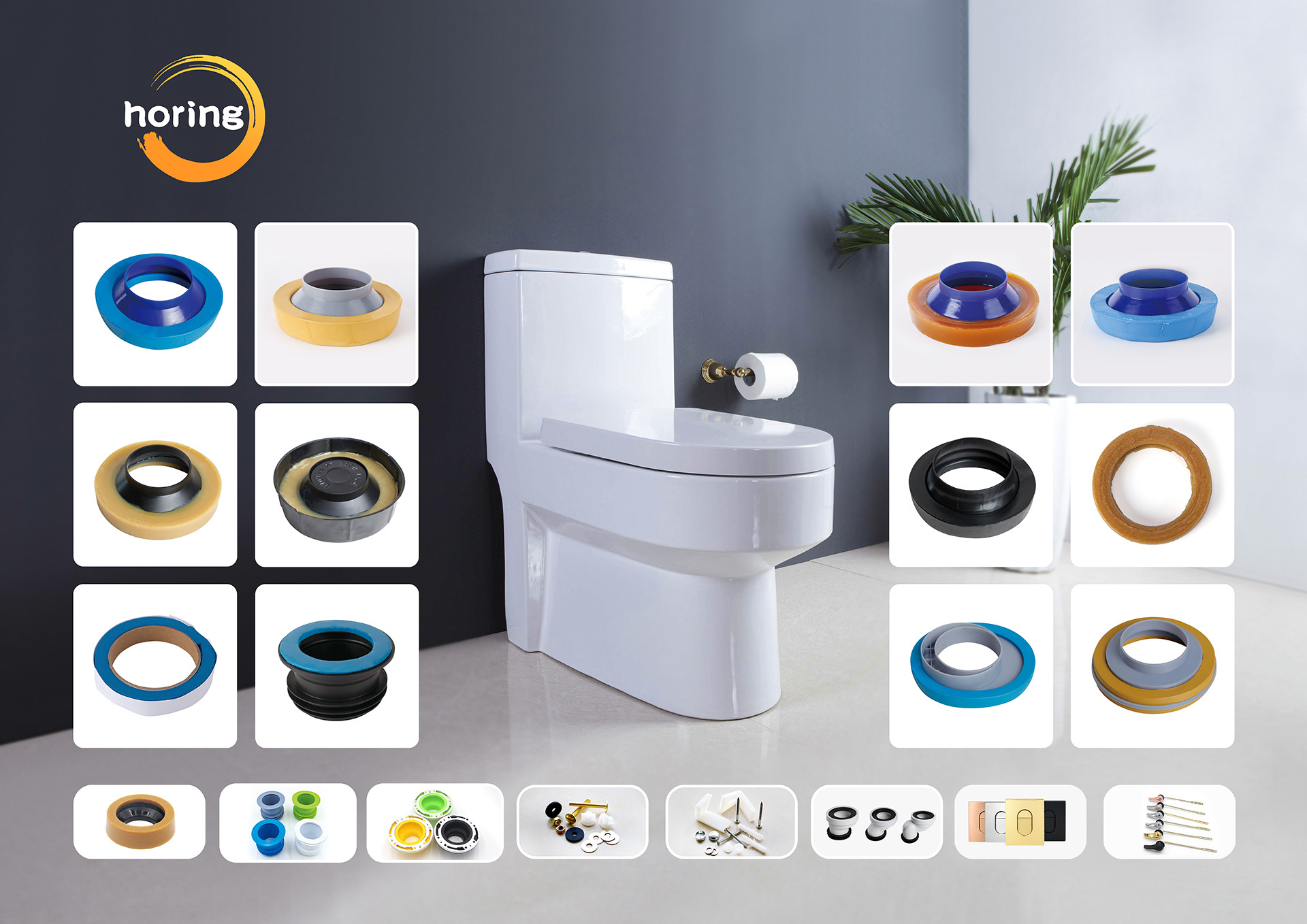

Elevate Your Plumbing: Choosing the Right ABS Toilet Flange for Optimal Performance
Release Time:
Jan 31,2025
Source:
Elevate Your Plumbing: Choosing the Right ABS Toilet Flange
Table of Contents
- Understanding ABS Toilet Flanges
- The Importance of Quality Flanges
- Types of ABS Toilet Flanges
- Key Features to Consider When Selecting an ABS Toilet Flange
- The Installation Process
- Maintenance and Care for Your ABS Toilet Flange
- Common Problems and Solutions
- Frequently Asked Questions
- Conclusion
Understanding ABS Toilet Flanges
ABS (Acrylonitrile Butadiene Styrene) toilet flanges are critical components in the plumbing system that connect the toilet to the waste pipe. They serve as a mounting point for the toilet and ensure a secure and leak-free fit. Comprised of durable plastic, ABS flanges are often favored for their resistance to corrosion and ease of installation. Understanding how these flanges work and their specifications can significantly impact your plumbing system's effectiveness.
The Importance of Quality Flanges
Choosing a quality ABS toilet flange is vital for several reasons. First, a well-made flange provides a robust connection that minimizes the risk of leaks. Leaks can lead to significant water damage, mold growth, and costly repairs. Additionally, quality flanges are designed to withstand the stress of regular use without warping or cracking, ensuring longevity. Therefore, investing in a high-quality ABS toilet flange is crucial for maintaining your plumbing system's health.
Types of ABS Toilet Flanges
When selecting an ABS toilet flange, it's essential to understand the different types available. Here are some of the most common:
Standard ABS Toilet Flanges
Standard flanges are the most commonly used type. They provide a simple and effective way to connect your toilet to the drain pipe and are typically designed for residential applications.
Offset ABS Toilet Flanges
Offset flanges are designed to accommodate situations where the toilet drain doesn't align perfectly with the waste line. They provide a slight angle, allowing for more flexible installation options.
Flanged ABS Toilet Bolts
These flanges come with pre-installed bolts, making installation easier. This design feature reduces the risk of misalignment and ensures a tight seal.
Key Features to Consider When Selecting an ABS Toilet Flange
When choosing the right ABS toilet flange, several features should be evaluated:
Size Compatibility
Ensure the flange is compatible with your toilet's specifications. The standard size is typically 3 inches in diameter, but variations exist. Always check the dimensions.
Durability
Look for flanges made from high-quality ABS material that can withstand the rigors of regular use without deteriorating. A sturdy flange will resist cracks and leaks effectively.
Installation Design
Some flanges come with unique installation features, such as snap-on designs or pre-drilled holes that simplify the installation process. These designs can save time and effort during installation.
Height Adjustment
Consider flanges that allow for height adjustment to accommodate variations in floor height. This feature can be particularly useful in older homes where floor levels may not be uniform.
The Installation Process
Installing an ABS toilet flange involves several steps. Below is a comprehensive guide to ensure a successful installation:
Tools Required
- Socket wrench
- PVC primer and glue (if necessary)
- Level
- Measuring tape
- Caulk
Step-by-Step Installation
- Turn Off Water Supply: Before starting, ensure the water supply to the toilet is turned off.
- Remove the Old Toilet: Carefully detach the toilet from the existing flange by removing the nuts and bolts.
- Inspect the Drain Pipe: Check for any damage or obstructions within the drain pipe. Clean or repair as needed.
- Position the New Flange: Place the new ABS toilet flange over the drain pipe and make sure it is level. Adjust if necessary.
- Secure the Flange: Use screws to fasten the flange to the floor, ensuring it is tightly secured.
- Reattach the Toilet: Replace the toilet by aligning it with the flange and tightening the nuts and bolts.
- Test for Leaks: Turn the water supply back on and check for any leaks around the flange and toilet connection.
Maintenance and Care for Your ABS Toilet Flange
Regular maintenance can prolong the life of your ABS toilet flange. Here are some tips to keep it in top condition:
Routine Inspection
Periodically inspect the flange for signs of wear, such as cracks or warped surfaces. Early detection can prevent costly repairs.
Sealant Replacement
If you notice any leaks, it may be necessary to replace the sealant. Ensuring a tight seal between the toilet and the flange is crucial for preventing leaks.
Avoid Excessive Force
When installing or removing the toilet, avoid using excessive force, which can damage the flange. Use the appropriate tools and techniques for safe installation.
Common Problems and Solutions
Even with proper installation and maintenance, issues may arise with ABS toilet flanges. Here are some common problems and their solutions:
Problem: Leaking Flange
Solution: Check the seal between the toilet and the flange. If damaged, replace it and ensure that everything is tightened properly.
Problem: Wobbly Toilet
Solution: A wobbly toilet could indicate a loose flange. Tighten the screws holding the flange in place, and if necessary, consider using plastic shims to stabilize the toilet.
Problem: Cracked Flange
Solution: If the flange is cracked, it will need to be replaced. Follow the installation process outlined above.
Frequently Asked Questions
1. What is the lifespan of an ABS toilet flange?
The lifespan of an ABS toilet flange can vary but is typically around 20 to 30 years with proper care and maintenance.
2. Can I use an ABS flange with a PVC pipe?
Yes, but you will need a special transition fitting to connect the two types of materials securely.
3. How do I know if my flange needs replacing?
Signs that your flange may need replacing include leaks, visible cracks, or a wobbly toilet.
4. Is professional installation recommended?
While DIY installation is possible, professional installation guarantees proper fitting and reduces the risk of errors.
5. Can I install a toilet without a flange?
No, a flange is essential for securely mounting the toilet and ensuring a proper seal to prevent leaks.
Conclusion
Choosing the right ABS toilet flange is fundamental for a well-functioning plumbing system. By understanding the different types, key features, and installation processes, you can make an informed decision that will enhance your toilet's efficiency and durability. Regular maintenance and quick attention to any issues will ensure your plumbing system remains in peak condition for years to come. Elevate your plumbing knowledge today and make the most out of your ABS toilet flange!
Related News
Social Media

Contact Information
Add: No.28, Xinyuan Road, Jimei District, Xiamen, Fujian Province, China
Tel: 15960289358 (David)
Tel: 15980991191 (Bruce)
Email: Monica@horing-sanitary.com (Monica Lin)
Email: sales@horing-sanitary.com (David)
Email: sales1@horing-sanitary.com (Bruce)
All Rights Reserved © 2024 Xiamen Horing Sanitary Co.,Ltd .