
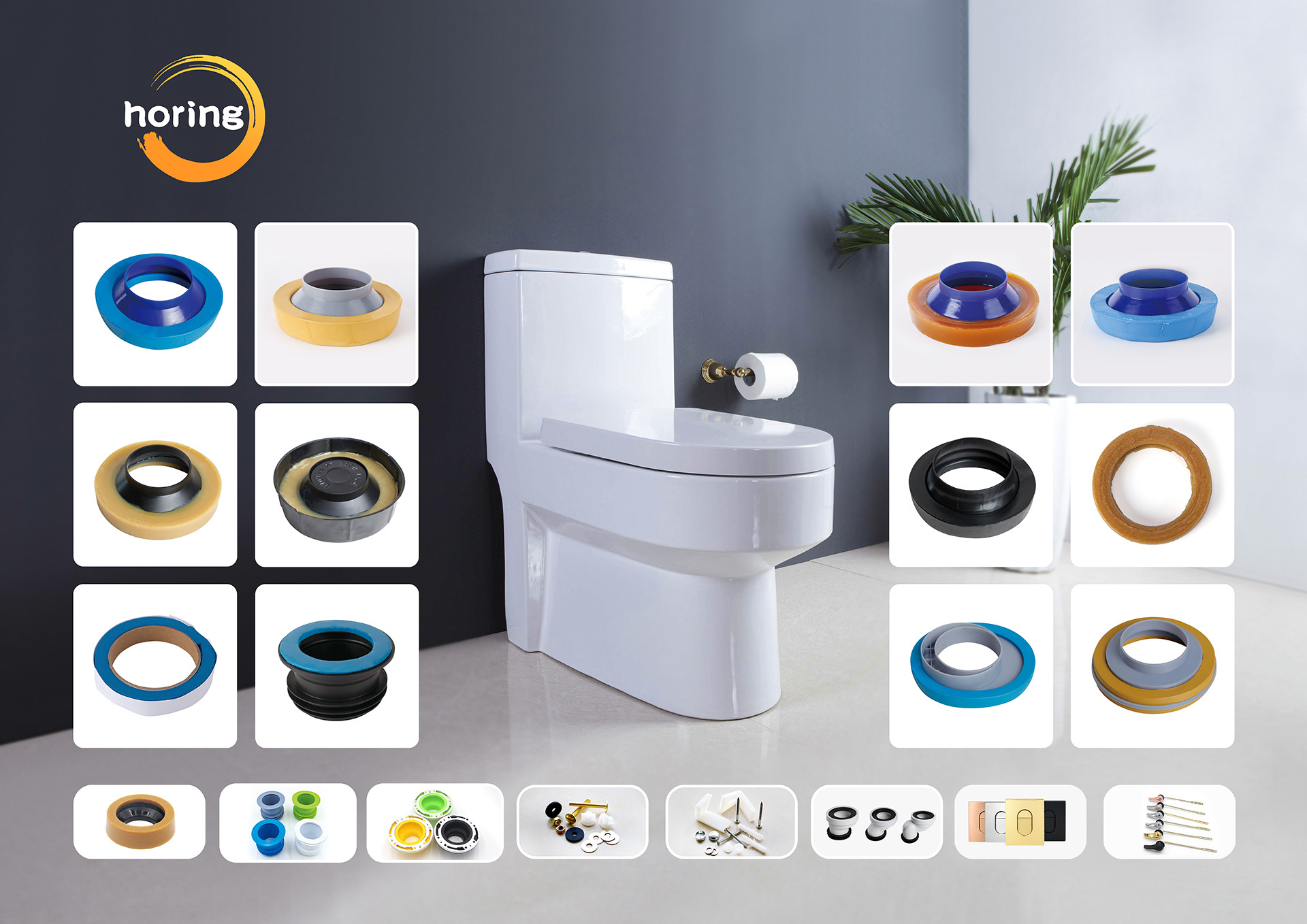

Understanding the Critical Role of Toilet Tank Rubber Gaskets in Plumbing Systems
Release Time:
Jan 27,2025
Source:
Understanding the Critical Role of Toilet Tank Rubber Gaskets in Plumbing Systems
Table of Contents
1. Introduction to Toilet Tank Rubber Gaskets
2. What is a Toilet Tank Rubber Gasket?
3. Importance of Rubber Gaskets in Plumbing
3.1 Preventing Water Leaks
3.2 Enhancing Toilet Efficiency
3.3 Extending Lifespan of Plumbing Fixtures
4. Types of Toilet Tank Rubber Gaskets
4.1 Standard Rubber Gaskets
4.2 Foam Gaskets
4.3 Silicone Gaskets
5. How to Install a Toilet Tank Rubber Gasket
5.1 Tools Required for Installation
5.2 Step-by-Step Installation Guide
6. Maintenance Tips for Toilet Tank Rubber Gaskets
6.1 Regular Inspection
6.2 Cleaning Procedures
7. Common Issues Related to Toilet Tank Rubber Gaskets
7.1 Signs of Wear and Tear
7.2 Troubleshooting Leaks
8. Frequently Asked Questions (FAQs)
9. Conclusion: The Essential Role of Gaskets in Plumbing
1. Introduction to Toilet Tank Rubber Gaskets
In the realm of plumbing, **toilet tank rubber gaskets** serve as unsung heroes, often overlooked but crucial in ensuring the functionality and efficiency of our restroom facilities. This article aims to shed light on the importance of these components, exploring their roles, types, installation methodologies, and maintenance practices.
2. What is a Toilet Tank Rubber Gasket?
A **toilet tank rubber gasket** is a sealing component that fits between the toilet tank and the bowl, preventing water leakage and ensuring a tight seal. Typically made from various materials such as rubber, foam, or silicone, gaskets play a vital role in maintaining water levels and providing a barrier against moisture and waste.
3. Importance of Rubber Gaskets in Plumbing
The significance of rubber gaskets in plumbing cannot be overstated. They play a pivotal role in ensuring the efficiency and reliability of toilet systems. Here’s a closer look at why these components are essential.
3.1 Preventing Water Leaks
The primary function of a rubber gasket is to prevent water from leaking between the toilet tank and the bowl. A poorly sealed gasket can lead to continuous water flow, resulting in extensive water wastage and increased utility bills. In some cases, undetected leaks can cause significant water damage to surrounding areas.
3.2 Enhancing Toilet Efficiency
Rubber gaskets contribute to the overall efficiency of toilet systems. With a proper seal, toilets can maintain optimal water levels, ensuring that every flush is powerful and effective. This efficiency is not only crucial for hygiene but also for conserving water, making gaskets integral to sustainable plumbing practices.
3.3 Extending Lifespan of Plumbing Fixtures
By providing a secure seal, gaskets help to reduce wear and tear on toilet components, thereby extending their lifespan. When a gasket fails, it often leads to a cascade of problems, including damaged tanks and bowls that may require costly replacements.
4. Types of Toilet Tank Rubber Gaskets
Understanding the different types of toilet tank rubber gaskets can help in selecting the right one for your needs. Here are the most common types:
4.1 Standard Rubber Gaskets
These are the most traditional and widely used gaskets. Made from durable rubber, they provide a reliable seal. However, they may degrade over time, especially in high humidity or wet environments.
4.2 Foam Gaskets
Foam gaskets offer flexibility and are less prone to cracking compared to rubber counterparts. They are often favored for their ease of installation and effectiveness in creating a tight seal.
4.3 Silicone Gaskets
Silicone gaskets are designed for high-performance applications. They are resistant to heat and chemicals, making them ideal for toilets that experience significant temperature fluctuations or exposure to harsh cleaning products.
5. How to Install a Toilet Tank Rubber Gasket
Proper installation of a toilet tank rubber gasket is crucial for ensuring a secure seal. Here’s how to do it:
5.1 Tools Required for Installation
- Adjustable wrench
- Screwdriver
- Plumber’s tape
- Replacement gasket
5.2 Step-by-Step Installation Guide
1. **Turn off the water supply** to the toilet.
2. **Remove the toilet tank** by unscrewing the mounting bolts.
3. **Clean the mounting surface** thoroughly to remove any residue or old gasket material.
4. **Install the new gasket**: Place it on the mounting surface, ensuring it fits snugly.
5. **Reattach the tank** by aligning it with the bowl and securing it with bolts.
6. **Reconnect the water supply** and turn it on.
7. **Check for leaks** by flushing the toilet and observing for any water escaping.
6. Maintenance Tips for Toilet Tank Rubber Gaskets
Regular maintenance of toilet tank rubber gaskets can prevent issues and extend their lifespan.
6.1 Regular Inspection
Inspect the gasket periodically for any signs of wear, such as cracks, warping, or discoloration. Early detection can prevent more significant plumbing issues.
6.2 Cleaning Procedures
Clean the gasket during routine toilet maintenance. Use mild soap and water to wipe down the gasket and surrounding areas, avoiding harsh chemicals that could damage the material.
7. Common Issues Related to Toilet Tank Rubber Gaskets
Understanding potential problems can help in troubleshooting and maintaining your plumbing system.
7.1 Signs of Wear and Tear
Common indicators that a gasket needs replacement include persistent leaks, water stains around the base of the toilet, and fluctuating water levels in the tank.
7.2 Troubleshooting Leaks
If leaks occur, first check the gasket for wear. Tightening the bolts may resolve minor leaks. If the problem persists, replacing the gasket may be necessary.
8. Frequently Asked Questions (FAQs)
1. How often should I replace my toilet tank rubber gasket?
It is advisable to inspect the gasket every couple of years and replace it if you notice any signs of wear.
2. Can I use any type of gasket for my toilet?
It’s best to use a gasket that fits your specific toilet model for optimal performance.
3. What are the signs that my toilet tank rubber gasket is failing?
Signs include leaks, excessive flush noise, and a continuous water supply to the tank.
4. How can I prevent my toilet tank rubber gasket from deteriorating?
Regular inspections and avoiding harsh cleaning agents can help in prolonging the life of your gasket.
5. Is it difficult to replace a toilet tank rubber gasket?
Replacing a gasket is generally straightforward and can be accomplished with basic tools and some care.
9. Conclusion: The Essential Role of Gaskets in Plumbing
In summary, **toilet tank rubber gaskets** are vital components that play a crucial role in the effective functioning of plumbing systems. By preventing leaks, enhancing efficiency, and prolonging the lifespan of fixtures, gaskets ensure that our toilets operate smoothly and sustainably. Understanding their importance, types, and maintenance can empower homeowners and plumbing professionals to make informed decisions, leading to a more efficient and reliable plumbing experience.
Related News
Social Media

Contact Information
Add: No.28, Xinyuan Road, Jimei District, Xiamen, Fujian Province, China
Tel: 15960289358 (David)
Tel: 15980991191 (Bruce)
Email: Monica@horing-sanitary.com (Monica Lin)
Email: sales@horing-sanitary.com (David)
Email: sales1@horing-sanitary.com (Bruce)
All Rights Reserved © 2024 Xiamen Horing Sanitary Co.,Ltd .