
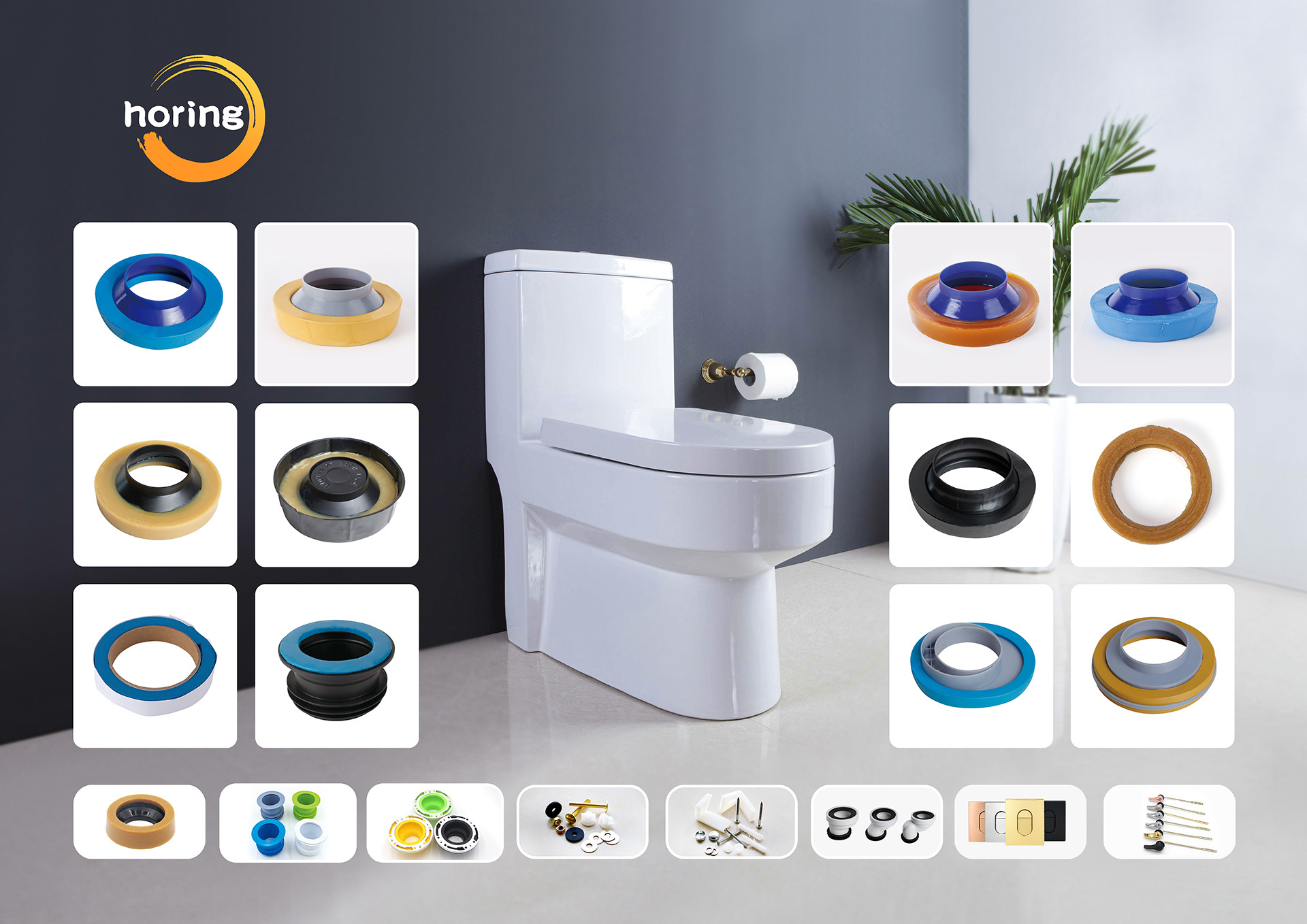

Custom Solutions for Toilet Cistern Bolts: What You Need to Know
Release Time:
Jan 23,2025
Source:
Custom Solutions for Toilet Cistern Bolts: What You Need to Know
When it comes to plumbing, the importance of reliable fixtures cannot be overstated. One critical component often overlooked is the toilet cistern bolt. These bolts secure your toilet tank to the bowl, ensuring a leak-free operation. In this article, we delve into the world of **custom solutions for toilet cistern bolts**, exploring what you need to know about their types, materials, and how to choose the right one for your needs.
Table of Contents
- 1. Introduction to Toilet Cistern Bolts
- 2. Types of Toilet Cistern Bolts
- 3. Materials Used in Toilet Cistern Bolts
- 4. Custom Solutions for Toilet Cistern Bolts
- 5. Installation Guidelines for Toilet Cistern Bolts
- 6. Maintenance Tips for Longevity
- 7. Troubleshooting Common Issues
- 8. Frequently Asked Questions
- 9. Conclusion
1. Introduction to Toilet Cistern Bolts
Toilet cistern bolts are essential for the stability of your toilet. These bolts fasten your toilet tank to the bowl, preventing leaks and ensuring proper function. However, not all bolts are created equal. Custom solutions have become increasingly popular as they offer tailored features that suit specific installation requirements. Understanding the intricate details of these bolts is vital for homeowners and professionals alike.
2. Types of Toilet Cistern Bolts
Toilet cistern bolts come in various types, each designed for specific applications. The primary categories include:
2.1 Standard Bolts
Standard toilet cistern bolts are commonly used in most residential toilets. They typically feature a nut and washer, providing a secure fit for standard installations. While they are reliable, they may not always suit unique requirements.
2.2 Adjustable Bolts
Adjustable toilet cistern bolts allow for added flexibility during installation. With a design that accommodates varying tank heights, these bolts are ideal for retrofitting older toilets or adjusting to different plumbing setups.
2.3 Specialty Bolts
Specialty bolts cater to specific needs, such as elongated toilet bowls or unique cistern designs. These bolts are customizable, ensuring a perfect fit and reliable performance.
3. Materials Used in Toilet Cistern Bolts
The material used in toilet cistern bolts significantly impacts their performance and longevity. Here are the most common materials:
3.1 Stainless Steel
Stainless steel bolts are highly resistant to rust and corrosion, making them an excellent choice for bathroom environments. Their durability ensures a long lifespan, reducing the need for frequent replacements.
3.2 Plastic
Plastic bolts offer a lightweight and cost-effective solution, suitable for low-risk applications. They are often used in DIY projects but may not provide the same level of strength as metal counterparts.
3.3 Brass
Brass bolts are known for their strength and resistance to corrosion. While they may be pricier than other options, their longevity and durability make them a popular choice for high-end installations.
4. Custom Solutions for Toilet Cistern Bolts
Custom solutions for toilet cistern bolts have emerged as a necessity in today's diverse plumbing landscape. Here are some tailored options:
4.1 Tailored Lengths
One size does not fit all. Custom bolts can be manufactured to precise lengths, accommodating unique cistern designs or installation challenges. This ensures a snug fit and optimal performance.
4.2 Specialized Coatings
Some custom bolts come with specialized coatings that enhance corrosion resistance and durability, especially in humid environments. Coatings like Teflon or nickel plating add layers of protection against wear and tear.
4.3 Unique Thread Patterns
Custom bolts can feature unique thread patterns designed for specific cistern models. This ensures that the bolts fit perfectly, reducing the risk of leaks and providing long-term reliability.
5. Installation Guidelines for Toilet Cistern Bolts
Proper installation is crucial for the effective functioning of toilet cistern bolts. Here’s a step-by-step guide:
5.1 Gather Your Tools
Before starting, ensure you have the necessary tools, including a wrench, screwdriver, and level. Having everything on hand makes the installation process smoother.
5.2 Prepare the Cistern
Before installing the bolts, ensure the toilet cistern is clean and free from debris. This will facilitate a better seal and reduce the likelihood of leaks.
5.3 Position the Washers
Place the washers over the holes in the cistern. This helps distribute pressure evenly and protects the cistern from damage during bolt tightening.
5.4 Insert the Bolts
Insert the bolts through the washers and into the holes of the toilet bowl. Ensure they are straight and not cross-threaded, as this can lead to complications later.
5.5 Tighten Securely
Using a wrench, tighten the bolts securely, but avoid over-tightening, as this can damage the porcelain. A snug fit is ideal to prevent leaks.
6. Maintenance Tips for Longevity
To prolong the life of your toilet cistern bolts, follow these maintenance tips:
6.1 Regular Inspections
Conduct regular inspections of the cistern bolts to check for signs of wear or corrosion. Early detection can prevent more significant issues down the line.
6.2 Clean Regularly
Keep the area around the cistern clean. This prevents the build-up of grime and moisture that can accelerate corrosion.
6.3 Replace as Needed
If you notice any signs of damage or wear, replace the bolts immediately to maintain the effectiveness of your toilet installation.
7. Troubleshooting Common Issues
Even with the best installation and maintenance, issues can arise. Here are some common problems and solutions:
7.1 Leaks
Leaks around the cistern can indicate improperly tightened bolts or damaged washers. Check the tightness and replace washers if necessary.
7.2 Loose Bolts
Occasionally, bolts may loosen over time. Regularly check the tightness and retighten as needed to prevent leaks.
7.3 Rust or Corrosion
If you notice rust or corrosion on metal bolts, consider replacing them with stainless steel or coated options to enhance durability.
8. Frequently Asked Questions
8.1 What are toilet cistern bolts made of?
Toilet cistern bolts can be made from various materials, including stainless steel, plastic, and brass, each offering different levels of durability and resistance to corrosion.
8.2 How do I know if I need custom toilet cistern bolts?
If you have a unique toilet model or installation challenge, custom bolts may be necessary to ensure a proper fit and reliable performance.
8.3 What is the average lifespan of toilet cistern bolts?
The lifespan can vary based on material and maintenance practices, but quality stainless steel or brass bolts can last 10-20 years or longer with proper care.
8.4 Can I install toilet cistern bolts myself?
Yes, with the right tools and instructions, you can install toilet cistern bolts yourself. However, consulting with a professional is advisable if you're unsure about the process.
8.5 How do I remove rust from toilet cistern bolts?
To remove rust, use a wire brush or sandpaper to scrub the affected areas. For severe cases, consider replacing the bolts to ensure optimal performance.
9. Conclusion
Understanding custom solutions for toilet cistern bolts is essential for anyone involved in plumbing installations or repairs. By exploring the different types, materials, and installation guidelines, you can make informed decisions that enhance the functionality and longevity of your toilet. Whether you opt for standard, adjustable, or specialty bolts, the right choice will ensure a reliable and leak-proof setup. Regular maintenance and timely troubleshooting will further extend the life of your toilet cistern bolts, making them a crucial component in any plumbing system. Invest in quality solutions today to ensure your plumbing remains efficient and reliable for years to come.
Related News
Social Media

Contact Information
Add: No.28, Xinyuan Road, Jimei District, Xiamen, Fujian Province, China
Tel: 15960289358 (David)
Tel: 15980991191 (Bruce)
Email: Monica@horing-sanitary.com (Monica Lin)
Email: sales@horing-sanitary.com (David)
Email: sales1@horing-sanitary.com (Bruce)
All Rights Reserved © 2024 Xiamen Horing Sanitary Co.,Ltd .