
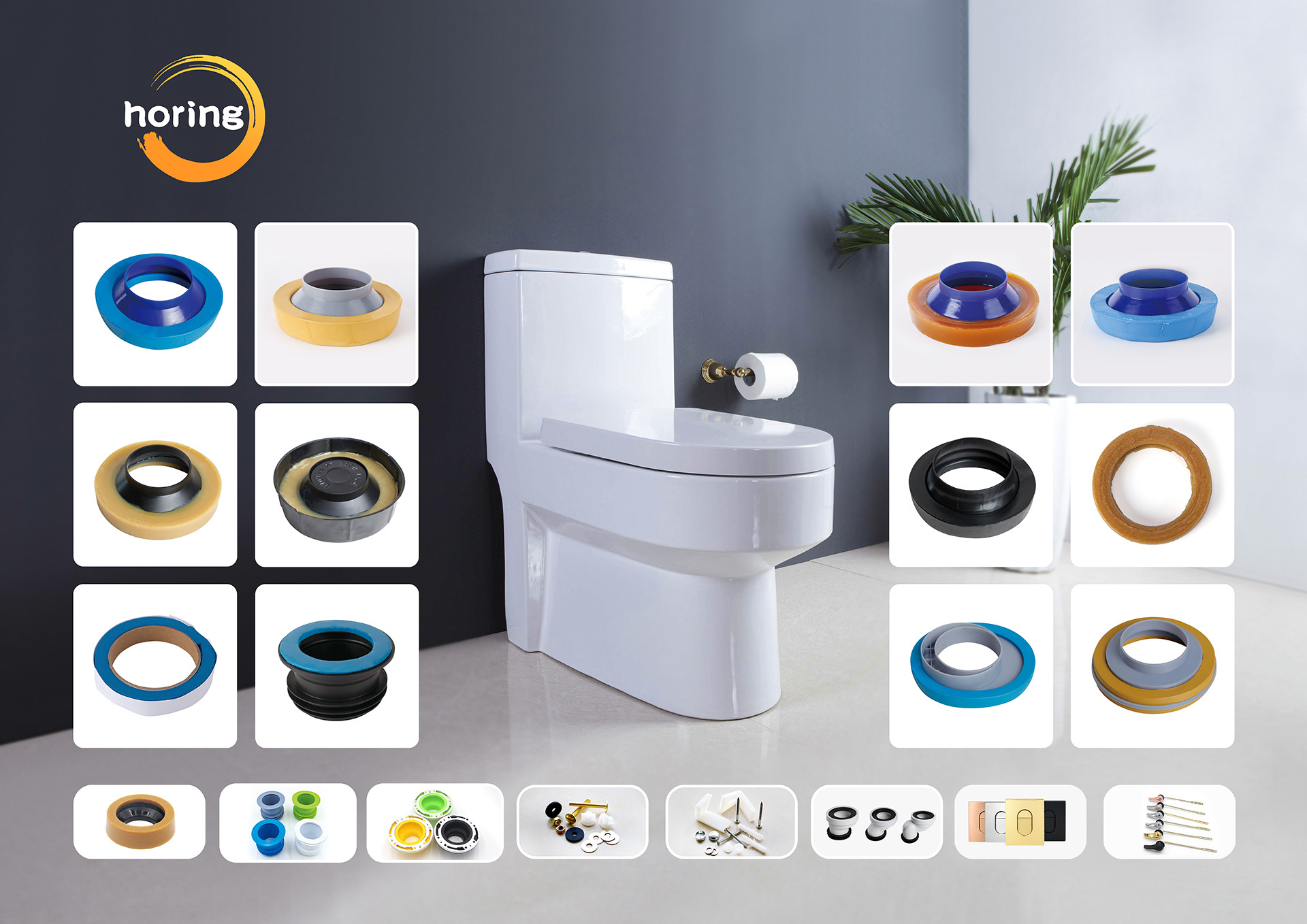

Understanding the Importance of Wax Gaskets with Flanges in Industrial Applications
Release Time:
Jan 13,2025
Source:
Understanding the Importance of Wax Gaskets with Flanges in Industrial Applications
In the realm of industrial equipment and components, particularly in the area of fastening and joining, the role of gaskets cannot be overstated. Among various gasket types, **wax gaskets with flanges** have emerged as essential components that ensure leak-free and efficient operations in numerous applications. This article aims to delve into the significance of wax gaskets with flanges, exploring their benefits, applications, installation procedures, and maintenance practices.
Table of Contents
1. What Are Wax Gaskets with Flanges?
2. The Role of Wax Gaskets in Industrial Applications
3. Advantages of Using Wax Gaskets with Flanges
3.1. Enhanced Sealing Capabilities
3.2. Temperature Resistance
3.3. Durability and Longevity
4. Applications of Wax Gaskets with Flanges
4.1. Plumbing Systems
4.2. HVAC Systems
4.3. Industrial Machinery
5. Installation Procedures for Wax Gaskets with Flanges
5.1. Preparing the Installation Site
5.2. Proper Gasket Placement
5.3. Securing the Flange Connection
6. Maintenance Tips for Wax Gaskets with Flanges
7. Common Issues and Troubleshooting
8. Conclusion
9. FAQs
1. What Are Wax Gaskets with Flanges?
Wax gaskets are sealing elements that provide a barrier between two surfaces to prevent the leakage of fluids or gases. When combined with flanges, these gaskets enhance the sealing capabilities, ensuring a secure connection in various industrial applications. The unique composition of wax gaskets allows them to conform to the surfaces they seal, providing an airtight fit that minimizes the chances of leaks.
2. The Role of Wax Gaskets in Industrial Applications
In industrial settings, the integrity of pipes and connections is crucial. Wax gaskets with flanges serve as fundamental components in ensuring that these connections remain leak-proof. Their adaptability to different environments, including high temperatures and various chemicals, makes them particularly suitable for industrial applications.
Flanges, which provide a means of joining two sections of pipe, require effective sealing to maintain pressure and prevent fluid loss. Wax gaskets fulfill this need effectively, contributing to the overall efficiency and reliability of industrial systems.
3. Advantages of Using Wax Gaskets with Flanges
Understanding the advantages of wax gaskets with flanges can help industries make informed decisions about their sealing solutions.
3.1. Enhanced Sealing Capabilities
One of the primary advantages of wax gaskets is their exceptional sealing properties. The wax material can fill in small imperfections on the surfaces it seals, providing a tight, leak-proof seal that is critical in preventing fluid loss or contamination.
3.2. Temperature Resistance
Wax gaskets can withstand a wide range of temperatures, making them ideal for applications that experience thermal fluctuations. This temperature resistance ensures that the gaskets maintain their integrity and sealing properties, even under challenging conditions.
3.3. Durability and Longevity
The durability of wax gaskets makes them a cost-effective solution in the long run. These gaskets can last for extended periods without needing frequent replacement, reducing maintenance costs and downtime in industrial operations.
4. Applications of Wax Gaskets with Flanges
Wax gaskets with flanges are versatile and find applications in various sectors.
4.1. Plumbing Systems
In plumbing, wax gaskets are commonly used to seal toilet bases to the drainage pipes. This application requires a reliable seal to prevent leaks, and wax gaskets excel in this regard.
4.2. HVAC Systems
In heating, ventilation, and air conditioning (HVAC) systems, maintaining airtight seals is essential for efficiency. Wax gaskets with flanges help prevent air leaks, contributing to the system's overall performance.
4.3. Industrial Machinery
Industrial machinery often consists of numerous interconnected components. Wax gaskets with flanges provide the necessary sealing for hydraulic and pneumatic systems, ensuring optimal performance under pressure.
5. Installation Procedures for Wax Gaskets with Flanges
Proper installation is crucial to ensure the effectiveness of wax gaskets with flanges. Below are detailed steps for installation.
5.1. Preparing the Installation Site
Before installation, it is essential to clean the surfaces to be sealed. Remove any debris, old gasket material, or contaminants that could affect the sealing performance. The surfaces should be dry and free from oil or grease.
5.2. Proper Gasket Placement
Carefully place the wax gasket onto the flange. Ensure that the gasket is centered and fits snugly against the flange surface. Improper placement can lead to leaks, so take the time to position it correctly.
5.3. Securing the Flange Connection
Once the gasket is in place, secure the flange connection using the appropriate fasteners. Follow the manufacturer’s specifications for torque settings to ensure an even and proper seal. Over-tightening or under-tightening can compromise the gasket's integrity.
6. Maintenance Tips for Wax Gaskets with Flanges
To ensure the longevity and effectiveness of wax gaskets with flanges, regular maintenance is necessary. Here are some tips to consider:
- **Regular Inspections:** Periodically check the gasket and flange connections for any signs of wear, cracks, or leaks. Early detection can prevent larger issues.
- **Clean Surrounding Areas:** Keep the areas around the gaskets free from debris and contaminants that can cause damage or deterioration.
- **Replace When Necessary:** If leaks are detected or if the gasket appears damaged, replace it immediately. Delaying replacement can lead to more extensive damage and costly repairs.
7. Common Issues and Troubleshooting
Despite their robust design, wax gaskets can encounter issues. Some common problems include:
- **Leaks:** If leaks are observed, check the installation for proper placement and torque settings. If the gasket is damaged, it will need replacement.
- **Cracking:** Exposure to extreme temperatures or chemicals can lead to cracking. In such cases, consider switching to a more suitable gasket material.
- **Deformation:** Over-tightening can cause gaskets to deform, compromising their sealing ability. Always adhere to the recommended torque specifications.
8. Conclusion
Wax gaskets with flanges play an integral role in the performance and reliability of industrial applications. Their unique properties, ease of installation, and cost-effectiveness make them a preferred choice for sealing solutions in various sectors. By understanding their significance and adhering to best practices for installation and maintenance, industries can enhance their operational efficiency and minimize downtime.
9. FAQs
1. What is a wax gasket used for in industrial applications?
A wax gasket is primarily used to create a leak-proof seal between two surfaces, preventing the escape of fluids or gases in various industrial applications.
2. How long do wax gaskets last?
The lifespan of wax gaskets can vary based on usage and environmental conditions, but they are designed to last for many years with proper installation and maintenance.
3. Can wax gaskets withstand high temperatures?
Yes, wax gaskets have good temperature resistance and can function effectively in a wide range of temperatures, although specific limits can depend on the gasket's formulation.
4. What should I do if I detect a leak around a wax gasket?
If a leak is detected, perform an inspection to ensure the gasket is properly placed and that the flange is securely fastened. If damage is found, replace the gasket immediately.
5. Are wax gaskets suitable for all types of industrial applications?
While wax gaskets are versatile, their suitability depends on the specific application and environmental conditions. It’s essential to assess the requirements before selecting a gasket type.
Related News
Social Media

Contact Information
Add: No.28, Xinyuan Road, Jimei District, Xiamen, Fujian Province, China
Tel: 15960289358 (David)
Tel: 15980991191 (Bruce)
Email: Monica@horing-sanitary.com (Monica Lin)
Email: sales@horing-sanitary.com (David)
Email: sales1@horing-sanitary.com (Bruce)
All Rights Reserved © 2024 Xiamen Horing Sanitary Co.,Ltd .