
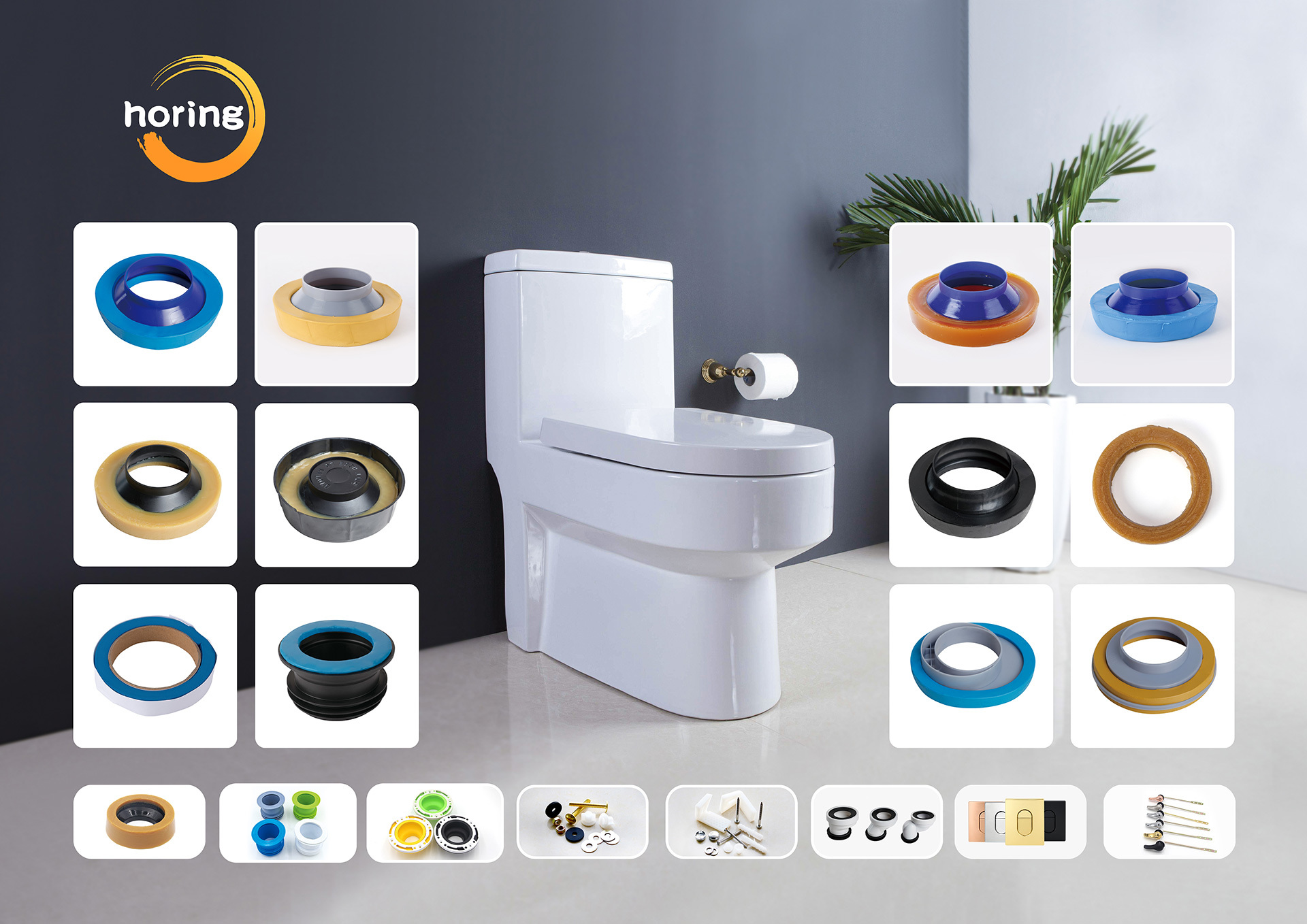

A Deep Dive into the Manufacturing Methods of Rubber Gaskets
Release Time:
Jan 07,2025
Source:
A Deep Dive into the Manufacturing Methods of Rubber Gaskets
Table of Contents
- What Are Rubber Gaskets?
- Importance of Rubber Gaskets in Industrial Applications
- Overview of Manufacturing Methods
- Compression Molding Process
- Transfer Molding Process
- Injection Molding Process
- Die-Cutting Process
- 3D Printing in Gasket Manufacturing
- Material Selection for Rubber Gaskets
- Future Trends in Gasket Manufacturing
- Conclusion
- FAQs
What Are Rubber Gaskets?
Rubber gaskets are essential components used to create a seal between two or more surfaces, preventing leakage of fluids or gases. They are made from various rubber materials, which offer flexibility and durability. Rubber gaskets find applications in numerous industries, including automotive, aerospace, and manufacturing, due to their ability to withstand changes in pressure and temperature.
Importance of Rubber Gaskets in Industrial Applications
In industrial settings, rubber gaskets play a crucial role in ensuring the safety and efficiency of machinery and equipment. They contribute to:
- **Leak Prevention**: Gaskets form a tight seal that prevents the escape of fluids and gases, reducing waste and environmental hazards.
- **Vibration Absorption**: Rubber gaskets can absorb vibrations, which protects machinery from wear and tear.
- **Thermal Insulation**: They provide a barrier against heat transfer, helping to maintain optimal operating temperatures.
- **Pressure Regulation**: Gaskets can help manage pressure differentials, ensuring the smooth operation of pumps and valves.
Overview of Manufacturing Methods
The manufacturing of rubber gaskets involves several methods, each with its unique advantages. The choice of manufacturing process largely depends on factors such as the desired shape, size, material properties, and production volume. The primary methods include compression molding, transfer molding, injection molding, die-cutting, and 3D printing.
Compression Molding Process
Compression molding is one of the most common methods used for the production of rubber gaskets. In this process, raw rubber material is placed into a heated mold. The mold is then closed, and heat and pressure are applied, causing the rubber to flow and take the shape of the mold.
- **Advantages**:
- Cost-effective for large production runs.
- Suitable for producing thick gaskets.
- Minimal waste of raw materials.
- **Applications**:
- Automotive gaskets.
- Industrial machinery seals.
Transfer Molding Process
Transfer molding is similar to compression molding but offers greater control over the flow of the rubber material. In this process, rubber is preheated and placed in a transfer pot. The press then forces the rubber into the mold cavity through a sprue.
- **Advantages**:
- Allows for intricate designs and tighter tolerances.
- Better for producing complex shapes.
- **Applications**:
- Aerospace components.
- Electrical insulation seals.
Injection Molding Process
Injection molding is a highly efficient and precise method for producing rubber gaskets. In this process, heated rubber material is injected into a mold under high pressure.
- **Advantages**:
- High production rates.
- Excellent dimensional accuracy.
- **Applications**:
- High-volume manufacturing of gaskets.
- Medical device seals.
Die-Cutting Process
Die-cutting is a straightforward method used for producing flat rubber gaskets. In this process, sheets of rubber are cut into specific shapes using a die.
- **Advantages**:
- Cost-effective for low to moderate production volumes.
- Quick turnaround times.
- **Applications**:
- Simple gasket shapes.
- Custom gaskets for various applications.
3D Printing in Gasket Manufacturing
With advancements in technology, 3D printing has emerged as an innovative method for producing rubber gaskets. This method allows for rapid prototyping and the creation of complex geometries that traditional methods may struggle with.
- **Advantages**:
- Flexibility in design and production.
- Reduced lead times for prototypes and custom gaskets.
- **Applications**:
- Custom prototypes.
- Low-volume production runs.
Material Selection for Rubber Gaskets
Choosing the right material for rubber gaskets is crucial for their performance and lifespan. Common rubber materials include:
- **Nitrile Rubber (NBR)**: Excellent resistance to oil and fuels, making it ideal for automotive applications.
- **Silicone Rubber**: Known for its high-temperature resistance, suitable for food and medical applications.
- **EPDM Rubber**: Great for outdoor use due to its weather and ozone resistance.
- **Neoprene**: Offers moderate oil resistance and is often used in refrigeration applications.
Future Trends in Gasket Manufacturing
The gasket manufacturing industry is evolving, influenced by emerging technologies and sustainability concerns. Trends include:
- **Use of Advanced Materials**: Incorporating materials that offer better performance and sustainability.
- **Automation and Industry 4.0**: Increased use of automation in manufacturing processes to enhance efficiency and reduce costs.
- **Sustainability Initiatives**: A focus on environmentally friendly materials and processes as industries move towards greener practices.
Conclusion
Understanding the various manufacturing methods of rubber gaskets is essential for choosing the right components for your applications. From traditional methods like compression and transfer molding to modern techniques such as 3D printing, each process offers unique benefits tailored to specific needs. By keeping abreast of advancements in materials and technology, industries can ensure they are making informed choices that enhance performance and sustainability.
FAQs
1. What materials are commonly used for rubber gaskets?
Rubber gaskets are typically made from materials such as nitrile rubber, silicone rubber, EPDM rubber, and neoprene, each suited for different applications.
2. What is the most cost-effective method for producing rubber gaskets?
Compression molding is often considered the most cost-effective method, especially for large production runs.
3. Can rubber gaskets be customized for specific applications?
Yes, rubber gaskets can be customized in terms of shape, size, and material properties to meet specific application requirements.
4. How do I choose the right gasket for my application?
Consider factors such as the operating environment, temperature, pressure, and the types of fluids or gases the gasket will encounter.
5. What are the benefits of using 3D printing for gasket manufacturing?
3D printing allows for rapid prototyping, customization, and the production of complex shapes that may be difficult to achieve with traditional manufacturing methods.
Related News
Social Media

Contact Information
Add: No.28, Xinyuan Road, Jimei District, Xiamen, Fujian Province, China
Tel: 15960289358 (David)
Tel: 15980991191 (Bruce)
Email: Monica@horing-sanitary.com (Monica Lin)
Email: sales@horing-sanitary.com (David)
Email: sales1@horing-sanitary.com (Bruce)
All Rights Reserved © 2024 Xiamen Horing Sanitary Co.,Ltd .