
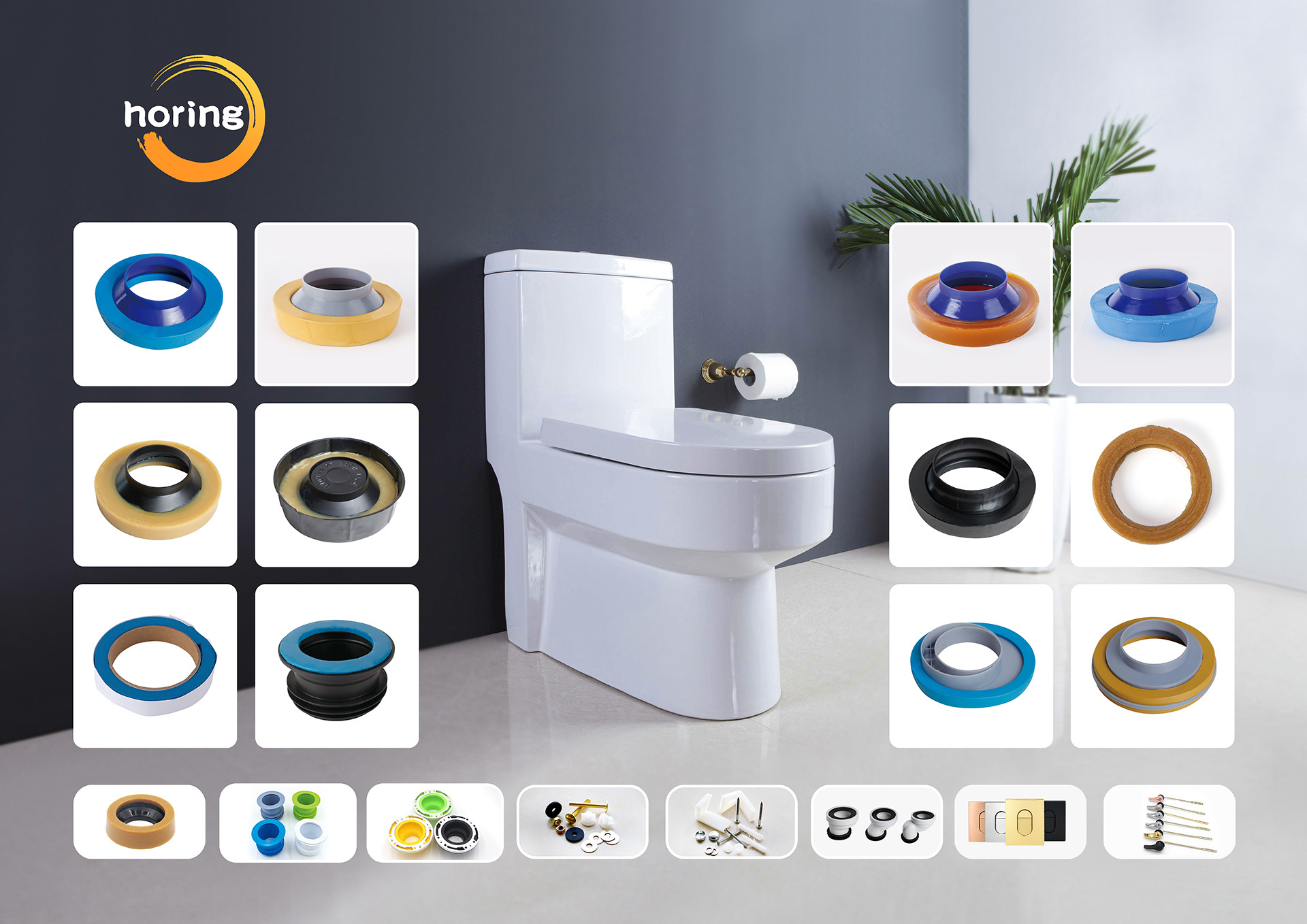

Customize Your Toilet Tank Fixing Bolts for Optimal Performance
Release Time:
Jan 05,2025
Source:
Customize Your Toilet Tank Fixing Bolts for Optimal Performance
Toilets are essential fixtures in our daily lives, and their performance can significantly impact the overall comfort of your home. One of the most critical components of a toilet is the tank fixing bolts. These bolts hold the tank securely to the bowl, ensuring that it functions correctly. In this article, we will delve deep into the intricacies of customizing your toilet tank fixing bolts for optimal performance. By the end, you'll possess the knowledge to enhance the durability and efficiency of your toilet.
Table of Contents
1. Understanding Toilet Tank Fixing Bolts
2. Importance of Quality Bolts in Toilet Performance
3. Types of Toilet Tank Fixing Bolts
3.1 Stainless Steel Bolts
3.2 Plastic Bolts
4. Selecting the Right Size and Length
5. Material Considerations for Durability
6. Customizing Your Bolts for Better Performance
6.1 Coating Options for Enhanced Longevity
6.2 Adjusting Bolt Tension
7. Installation Process of Toilet Tank Fixing Bolts
8. Maintenance Tips for Longevity
9. FAQs about Toilet Tank Fixing Bolts
10. Conclusion
1. Understanding Toilet Tank Fixing Bolts
Toilet tank fixing bolts are the unsung heroes of your bathroom. These small yet mighty components secure the toilet tank to the toilet bowl, preventing leaks and ensuring proper water flow. Without them, your toilet would be prone to instability and leaks, leading to costly repairs and water wastage. Understanding the function and importance of these bolts is the first step toward optimizing your toilet's performance.
2. Importance of Quality Bolts in Toilet Performance
The quality of the fixing bolts directly influences the performance of your toilet. Poor-quality bolts can corrode or break over time, resulting in leaks that can damage your bathroom floor and lead to mold growth. Investing in high-quality bolts is crucial for ensuring a reliable and long-lasting toilet setup. Not only does this save you money in the long run, but it also provides peace of mind knowing that your toilet is secure.
3. Types of Toilet Tank Fixing Bolts
When it comes to toilet tank fixing bolts, there are two primary materials to consider: stainless steel and plastic. Each material has its own set of advantages and disadvantages.
3.1 Stainless Steel Bolts
Stainless steel bolts are renowned for their strength and durability. They resist rust and corrosion, making them ideal for use in humid environments like bathrooms. Additionally, stainless steel can withstand high levels of stress, ensuring that your toilet tank remains securely attached over time.
3.2 Plastic Bolts
Plastic bolts, while not as strong as stainless steel, offer a lightweight and corrosion-resistant alternative. They are particularly useful in environments where moisture is a concern. Plastic bolts are less likely to corrode, which can be a significant advantage in certain situations. However, they may not provide the same level of support as their stainless steel counterparts.
4. Selecting the Right Size and Length
Choosing the correct size and length of bolts is essential for optimal performance. Bolts that are too short may not provide adequate stability, while excessively long bolts can create unnecessary stress points. To determine the right size, measure the thickness of your toilet tank and bowl, and consult product specifications when purchasing new bolts.
5. Material Considerations for Durability
Beyond the basic choices of stainless steel and plastic, there are various coatings and treatments available that can enhance the durability of your fixing bolts. Bolts coated with a protective layer are less prone to corrosion, which is especially vital in bathrooms where moisture is prevalent. When customizing your bolts, consider options like:
- **Zinc Coating**: Provides a protective barrier against rust.
- **Rubberized Coating**: Offers additional grip and minimizes slipping during installation.
Choosing the right material and finish can significantly improve the lifespan of your toilet tank fixing bolts.
6. Customizing Your Bolts for Better Performance
Customization goes beyond material selection; it also includes adjusting the tension and applying protective coatings. Here’s how to achieve the best results.
6.1 Coating Options for Enhanced Longevity
By applying protective coatings to your bolts, you can prevent corrosion and wear. Consider using specialized coatings that are designed for bathroom fixtures. These coatings not only enhance durability but also improve the overall appearance of your plumbing hardware.
6.2 Adjusting Bolt Tension
Properly tensioning your bolts during installation is crucial for optimal performance. Over-tightening can lead to cracking, while under-tightening can result in leaks. Use a torque wrench to ensure that bolts are tightened to the manufacturer's specifications. Regularly check the tension of your bolts during maintenance to ensure they remain secure.
7. Installation Process of Toilet Tank Fixing Bolts
Installing toilet tank fixing bolts may seem straightforward, but following the correct procedures ensures a leak-free setup. Here’s a step-by-step guide:
1. **Gather Your Tools**: You will need a wrench, a torque wrench, and possibly a screwdriver.
2. **Remove the Old Bolts**: If you are replacing existing bolts, start by shutting off the water supply and draining the tank.
3. **Clean the Area**: Ensure that the surfaces where the bolts attach are clean and free of debris.
4. **Insert the New Bolts**: Position the new fixing bolts through the holes in the toilet tank and into the bowl.
5. **Tighten Securely**: Use your wrench to tighten the nuts, followed by the torque wrench to achieve the correct tension.
6. **Reconnect the Water Supply**: After installation, reconnect the water supply and check for leaks.
Following these steps will help you achieve a successful installation, ensuring your toilet operates effectively.
8. Maintenance Tips for Longevity
To keep your toilet tank fixing bolts in optimal condition, regular maintenance is essential. Here are some tips to extend their lifespan:
- **Inspect Regularly**: Check for signs of rust or corrosion periodically.
- **Re-tighten Bolts**: Every few months, revisit the tension of your bolts to ensure they remain secure.
- **Clean the Area**: Regularly clean the area around the bolts to prevent the buildup of grime and mineral deposits that can impact their performance.
Implementing these maintenance practices will enhance the durability of your toilet tank fixing bolts and ensure reliable performance for years to come.
9. FAQs about Toilet Tank Fixing Bolts
**Q1: How often should I replace my toilet tank fixing bolts?**
A1: It’s advisable to inspect your fixing bolts every few years and replace them if you notice any signs of wear or corrosion.
**Q2: Can I use plastic bolts for a heavy toilet tank?**
A2: While plastic bolts can be used, stainless steel bolts are recommended for heavier tanks to ensure adequate support and stability.
**Q3: What should I do if I notice a leak around my toilet tank?**
A3: Check the tension of the fixing bolts first. If they are secure and the issue persists, inspect the tank and bowl for cracks or damage.
**Q4: Are there specific tools I need for installing fixing bolts?**
A4: A wrench, a torque wrench, and potentially a screwdriver are necessary for proper installation.
**Q5: What is the best material for toilet tank fixing bolts?**
A5: Stainless steel is generally considered the best option due to its strength and resistance to corrosion. However, the choice may depend on your specific bathroom environment.
10. Conclusion
Customizing your toilet tank fixing bolts is an essential step toward optimizing your toilet's performance. By understanding the types of bolts available, selecting the right size and material, and following proper installation and maintenance techniques, you can ensure that your toilet functions efficiently for years to come. Investing in quality bolts and regularly checking their condition will lead to a reliable, leak-free bathroom environment. So, take the time to customize your toilet tank fixing bolts today for a significant improvement in performance and durability.
Related News
Social Media

Contact Information
Add: No.28, Xinyuan Road, Jimei District, Xiamen, Fujian Province, China
Tel: 15960289358 (David)
Tel: 15980991191 (Bruce)
Email: Monica@horing-sanitary.com (Monica Lin)
Email: sales@horing-sanitary.com (David)
Email: sales1@horing-sanitary.com (Bruce)
All Rights Reserved © 2024 Xiamen Horing Sanitary Co.,Ltd .