
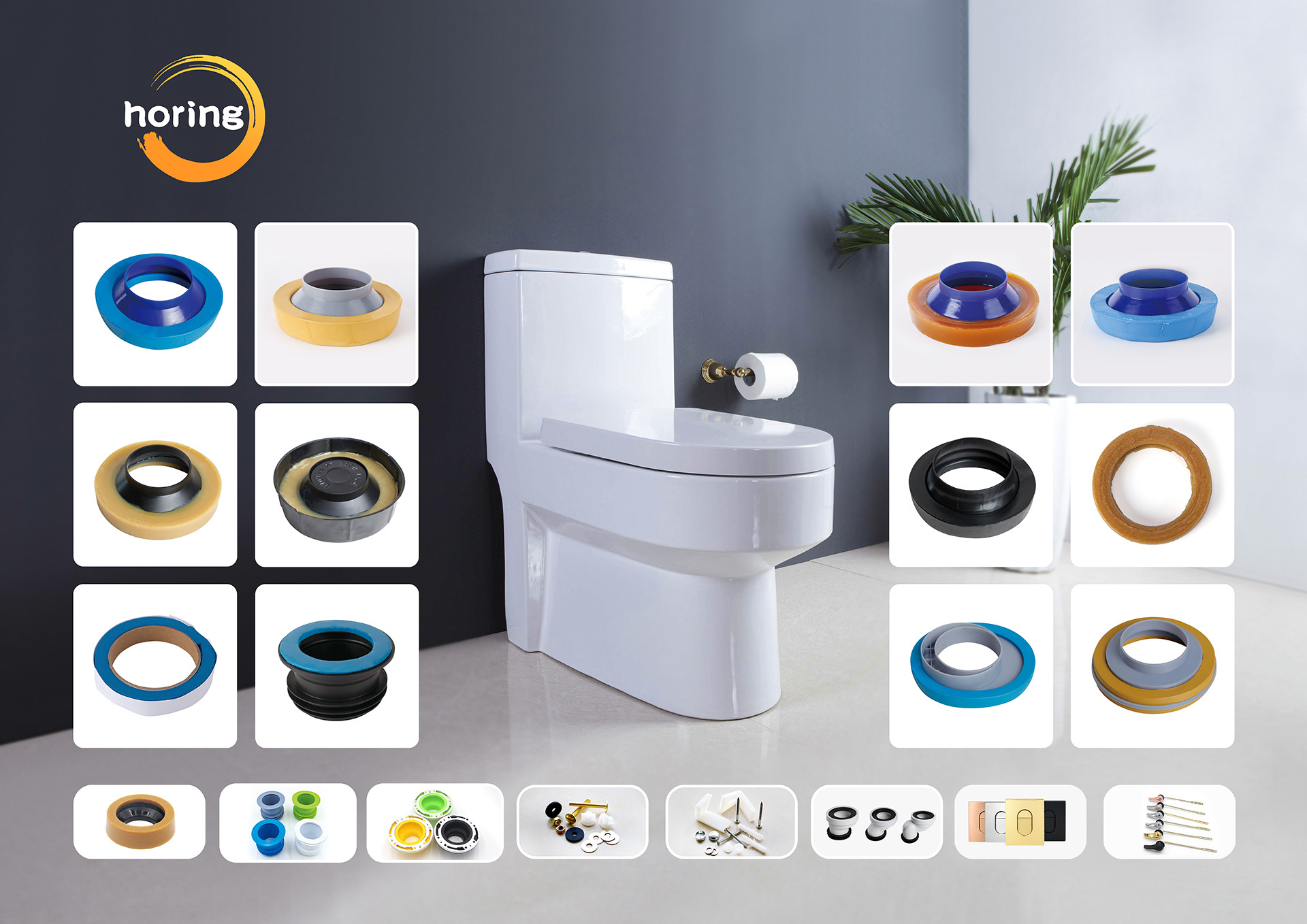

The Ultimate Guide to Choosing a Quality WC Pan Connector
Release Time:
Dec 23,2024
Source:
The Ultimate Guide to Choosing a Quality WC Pan Connector
Table of Contents
1. Understanding WC Pan Connectors
2. Types of WC Pan Connectors
2.1 Flexible WC Pan Connectors
2.2 Rigid WC Pan Connectors
3. Key Features to Consider
3.1 Material Quality
3.2 Diameter and Size
3.3 Seal and Joint Integrity
4. Installation Process for WC Pan Connectors
4.1 Tools Required
4.2 Step-by-Step Installation Guide
5. Common Issues and Troubleshooting
5.1 Leaks and Drips
5.2 Odors and Blockages
6. Maintenance Tips for Longevity
7. Frequently Asked Questions
8. Conclusion
1. Understanding WC Pan Connectors
A WC pan connector is an essential component in any bathroom, serving as the link between the toilet (WC pan) and the drainage system. These connectors ensure that waste is effectively transported from your WC to the sewage system, preventing leaks and odor. Choosing the right connector is crucial for optimal functionality and longevity.
2. Types of WC Pan Connectors
Selecting the appropriate type of WC pan connector plays a significant role in the overall performance of your plumbing system. Below, we delineate two primary categories:
2.1 Flexible WC Pan Connectors
Flexible WC pan connectors are often made from rubber or plastic and provide a degree of adaptability in installation. They can accommodate slight misalignments and different pipe sizes, making them a popular choice for many DIY enthusiasts and professionals alike.
2.2 Rigid WC Pan Connectors
Rigid WC pan connectors, typically crafted from PVC or other durable materials, boast a solid structure that ensures a secure fit. These connectors are suitable for installations where pipes are aligned perfectly, providing a more permanent solution to WC drainage.
3. Key Features to Consider
When selecting a WC pan connector, several factors come into play. Understanding these features will help ensure you make an informed decision.
3.1 Material Quality
The quality of materials used in the WC pan connector directly affects its durability. Look for connectors made from high-grade PVC or rubber, which can withstand various environmental conditions.
3.2 Diameter and Size
The diameter of the connector must match your existing drainage pipes. Most standard WC pan connectors come in varying sizes; hence, measuring your outlet pipe's dimensions before purchasing is critical.
3.3 Seal and Joint Integrity
A reliable seal is essential to prevent leaks. Choose connectors that offer robust seals and joints, often reinforced with gaskets or rubber rings for added security. This feature is particularly crucial for minimizing the risk of water damage and unpleasant odors.
4. Installation Process for WC Pan Connectors
Installing a WC pan connector may seem daunting, but with the right tools and preparation, it can be a straightforward process.
4.1 Tools Required
Before you begin, ensure you have the following tools on hand:
- Adjustable wrench
- Screwdriver
- Measuring tape
- Level
- Pipe cutter (if adjustments are needed)
4.2 Step-by-Step Installation Guide
1. **Turn Off the Water Supply:** Ensure that the water supply to the toilet is turned off.
2. **Remove the Existing Connector:** If replacing an old connector, carefully detach it from the toilet and the drainage pipe.
3. **Prepare the New Connector:** Check the new connector for any defects. Measure the required length and cut if necessary.
4. **Install the Connector:** Align the connector with the WC pan and drain outlet. Secure it in place, ensuring it fits snugly.
5. **Seal Joints:** Apply a waterproof sealant if necessary to prevent leaks.
6. **Reconnect the Water Supply:** Turn the water supply back on and check for leaks.
5. Common Issues and Troubleshooting
Even with a properly installed WC pan connector, issues may arise. Here are some common problems and how to resolve them.
5.1 Leaks and Drips
Leaks can occur due to improper sealing or misalignment. If you notice water pooling around the connector, double-check that it is securely fastened and that no gaps exist.
5.2 Odors and Blockages
Unpleasant odors may indicate a blockage or a faulty seal. To address this, inspect the connector and drainage pipes for any obstructions and clear them as necessary.
6. Maintenance Tips for Longevity
Maintaining your WC pan connector helps prolong its lifespan and ensures optimal performance. Here are several tips to consider:
- **Regular Inspections:** Periodically check for signs of wear and tear, including cracks or disconnections.
- **Clean the Area:** Keep the area around the connector clean to prevent debris buildup.
- **Monitor for Odors:** Be vigilant for any unusual smells, as they can indicate underlying issues.
- **Prompt Repairs:** Address any leaks or problems immediately to avoid more significant issues down the line.
7. Frequently Asked Questions
1. What is the average lifespan of a WC pan connector?
The average lifespan of a quality WC pan connector can range from 10 to 30 years, depending on the material and maintenance.
2. Can I install a WC pan connector myself?
Yes, with the right tools and instructions, many individuals can install a WC pan connector as a DIY project.
3. What are the signs of a faulty WC pan connector?
Signs include leaks, odors, and frequent clogs. If you notice any of these issues, inspect your connector.
4. How do I know which size connector to buy?
Measure the diameter of your existing drain pipe and ensure the connector matches this measurement.
5. Are flexible connectors better than rigid ones?
Flexible connectors are easier to install and adjust, while rigid connectors offer a more permanent and secure fit. The choice depends on your specific needs.
8. Conclusion
Choosing the right WC pan connector is crucial for maintaining a functional and leak-free bathroom. By understanding the types, features, and installation processes, you can make an informed decision that will serve you well for years to come. Regular maintenance and timely troubleshooting will further enhance the longevity of your installation. With our ultimate guide, you are now equipped with the knowledge to select a quality WC pan connector confidently!
Related News
Social Media

Contact Information
Add: No.28, Xinyuan Road, Jimei District, Xiamen, Fujian Province, China
Tel: 15960289358 (David)
Tel: 15980991191 (Bruce)
Email: Monica@horing-sanitary.com (Monica Lin)
Email: sales@horing-sanitary.com (David)
Email: sales1@horing-sanitary.com (Bruce)
All Rights Reserved © 2024 Xiamen Horing Sanitary Co.,Ltd .