
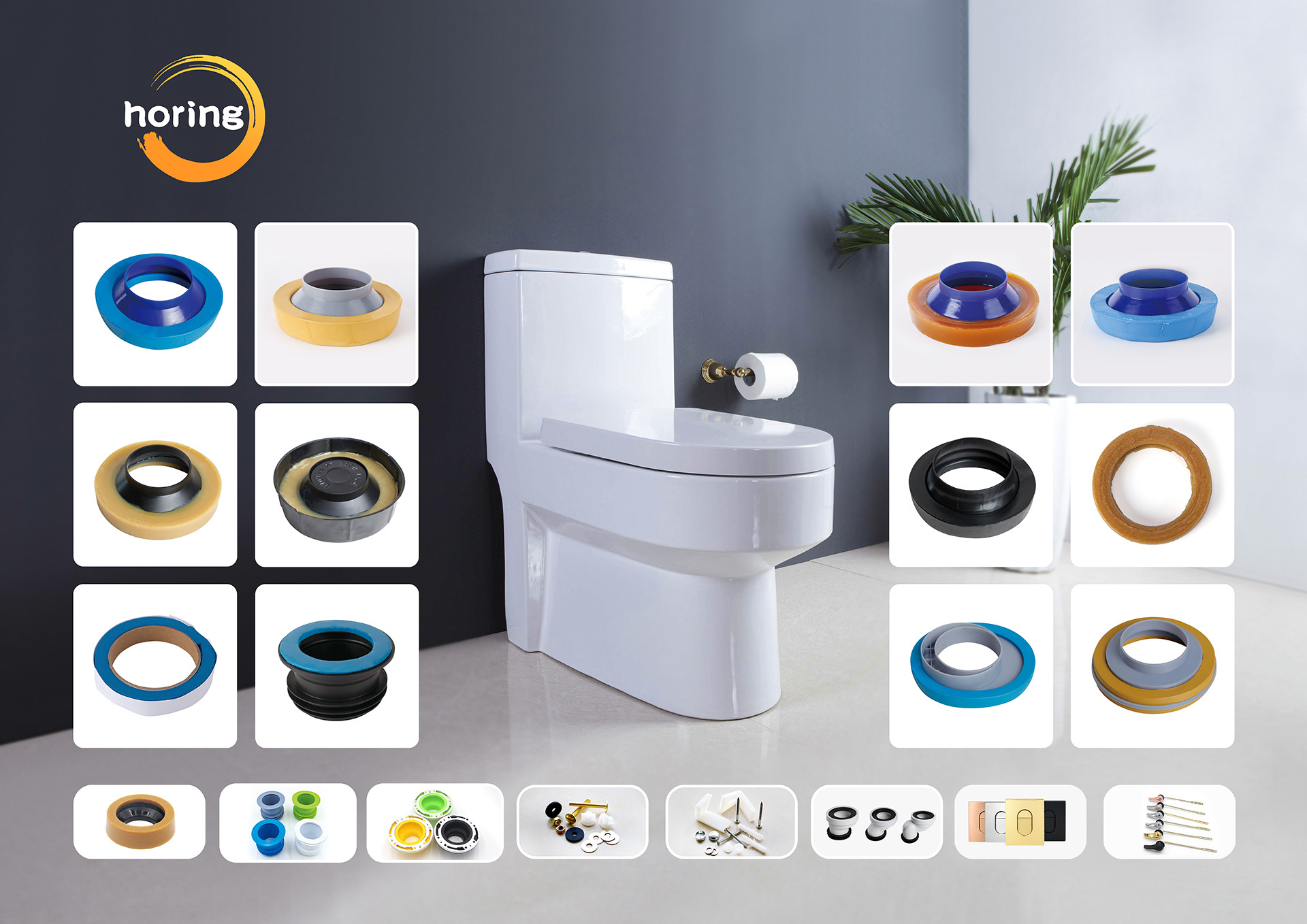

Elevate Your Plumbing Projects with Durable Toilet Cistern Bolts
Release Time:
Dec 09,2024
Source:
Elevate Your Plumbing Projects with Durable Toilet Cistern Bolts
Introduction to Toilet Cistern Bolts
Toilet cistern bolts are essential components in plumbing that play a crucial role in securing the toilet tank to the bowl. Their durability and strength are vital for maintaining a leak-free environment and ensuring the overall functionality of your toilet. This guide will explore the various aspects of toilet cistern bolts, including their materials, features, and installation processes, to enhance your plumbing projects.
Understanding the Importance of Durable Toilet Cistern Bolts
When embarking on plumbing projects, the choice of materials can significantly influence the longevity and efficiency of the installation. Durable toilet cistern bolts are designed to withstand water pressure, resist corrosion, and endure the wear and tear of daily use. By investing in high-quality bolts, you can prevent potential leaks and disruptions, ensuring a stable and reliable plumbing system.
Key Functions of Toilet Cistern Bolts
Toilet cistern bolts serve several key purposes in plumbing systems:
- Securing the Toilet Tank: They firmly attach the cistern to the toilet bowl, preventing movement and instability.
- Water Seal Maintenance: High-quality bolts help maintain a proper seal between the cistern and the bowl, reducing the risk of leaks.
- Facilitating Toilet Maintenance: Accessible and durable bolts simplify maintenance tasks, such as tank repairs or replacements.
Choosing the Right Cistern Bolts for Your Project
Selecting appropriate toilet cistern bolts involves understanding the various materials, sizes, and features available in the market. Below, we outline essential factors to consider.
Materials Used in Toilet Cistern Bolts
The material of the cistern bolts largely determines their durability and performance. Here are some common materials:
- Stainless Steel: Known for its resistance to rust and corrosion, stainless steel bolts are ideal for moist environments.
- Plastic: Lightweight and resistant to rust, plastic bolts are suitable for low-pressure applications but may not be as durable as metal options.
- Brass: Brass bolts provide excellent resistance to corrosion and offer a robust connection, making them a popular choice in plumbing.
Understanding Sizes and Specifications
To ensure a proper fit, it’s crucial to choose bolts that match the specifications of your toilet cistern. Common sizes include:
- Length: Typically ranges from 2 inches to 5 inches.
- Thread Size: Standard thread sizes include ¼-inch and ½-inch, depending on the cistern design.
Features to Look for in Durable Toilet Cistern Bolts
When selecting cistern bolts, consider additional features that enhance performance and installation ease:
- Washers: Integrated rubber or nylon washers can improve sealing and prevent leaks.
- Easy Installation: Look for bolts that include a simple installation guide or tools.
- Adjustable Length: Some bolts allow for adjustment, accommodating various cistern designs.
Installing Toilet Cistern Bolts: A Step-by-Step Guide
Proper installation of toilet cistern bolts is crucial for ensuring a secure fit and preventing leaks. Here’s a detailed guide to assist you in this process.
Tools Required for Installation
Before beginning, gather the following tools:
- Adjustable wrench
- Screwdriver
- Tape measure
- Rubber gloves
Step-by-Step Installation Process
- Turn Off the Water Supply: Before starting, ensure the water supply to the toilet is turned off to prevent leaks.
- Remove the Existing Cistern: Use a wrench to carefully disconnect the old cistern from the toilet bowl.
- Prepare the New Bolts: Align the new cistern bolts with the holes in the toilet bowl, ensuring proper positioning.
- Insert Bolts: Push the bolts through the designated holes and secure them with washers and nuts from underneath.
- Tighten the Nuts: Use an adjustable wrench to tighten the nuts, ensuring a snug fit without overtightening.
- Reattach the Cistern: Connect the cistern to the bowl and ensure it sits firmly in place.
- Turn the Water Supply Back On: Gradually turn the water supply back on and check for leaks around the bolts.
Maintenance Tips for Toilet Cistern Bolts
To prolong the life of your toilet cistern bolts and maintain optimal performance, consider these maintenance tips.
Regular Inspections
Conduct periodic inspections to check for signs of corrosion, wear, or leaks. Addressing minor issues promptly can prevent larger problems down the line.
Cleaning and Maintenance
Use a damp cloth to clean the area around the bolts, removing grime and debris that could affect their performance. Ensure that the bolts remain free from rust by applying a protective coating if necessary.
Common Issues and Troubleshooting
Even with durable toilet cistern bolts, issues may arise. Here are some common problems and their solutions.
Leaking Cistern Bolts
If you notice water pooling around the base of the toilet, it could be due to loose bolts or damaged washers. Tighten the bolts and replace any worn washers to resolve the issue.
Corrosion and Rust Formation
Corrosion can compromise the integrity of the bolts. If you detect rust, consider replacing the bolts with stainless steel or brass options for better durability.
Frequently Asked Questions (FAQs)
1. How do I know if I need to replace my toilet cistern bolts?
If you notice leaks, rust, or instability in the cistern, it's time to replace the bolts.
2. Are plastic cistern bolts durable enough for my toilet?
Plastic bolts can be suitable for low-pressure applications but are less durable than metal options.
3. Can I install cistern bolts myself, or do I need a plumber?
With the right tools and guidance, many homeowners can install cistern bolts themselves. However, consulting a plumber can ensure proper installation.
4. How often should I inspect my toilet cistern bolts?
It's recommended to inspect the bolts at least once a year or during regular plumbing maintenance.
5. What should I do if my cistern bolts are stripped?
Stripped bolts should be replaced immediately to maintain a secure connection between the cistern and the bowl.
Conclusion
Investing in durable toilet cistern bolts is pivotal for enhancing the performance and longevity of your plumbing projects. By choosing the right materials, ensuring proper installation, and conducting regular maintenance, you can significantly reduce the risk of leaks and other plumbing issues. Ensure that your plumbing system functions smoothly and efficiently by prioritizing quality components like toilet cistern bolts. With this comprehensive guide, you're well-equipped to elevate your plumbing projects to new heights with confidence.
Related News
Social Media

Contact Information
Add: No.28, Xinyuan Road, Jimei District, Xiamen, Fujian Province, China
Tel: 15960289358 (David)
Tel: 15980991191 (Bruce)
Email: Monica@horing-sanitary.com (Monica Lin)
Email: sales@horing-sanitary.com (David)
Email: sales1@horing-sanitary.com (Bruce)
All Rights Reserved © 2024 Xiamen Horing Sanitary Co.,Ltd .