

The Connection Between Water Pressure and Your WC Pan Connector: A Comprehensive Guide
Release Time:
Dec 03,2024
Source:
Water pressure is the force that pushes water through your plumbing system, ensuring that it reaches various fixtures in your home, including sinks, showers, and toilets. It is measured in pounds per square inch (PSI) and typically ranges from 40 to 80 PSI in residential settings. Understanding the basics of water pressure is crucial for diagnosing plumbing issues, especially those related to your WC pan connector.
Factors Influencing Water Pressure
Several factors can influence the water pressure in your home, including:
- Municipal Water Supply: The pressure of the water supplied by your local utility can vary due to demand and infrastructure.
- Pipe Size and Condition: Older pipes or those with a smaller diameter can reduce water pressure.
- Valves and Fittings: Partially closed valves or clogged fittings can restrict water flow.
- Altitude: Homes located at higher elevations may experience lower water pressure.
The Importance of WC Pan Connectors
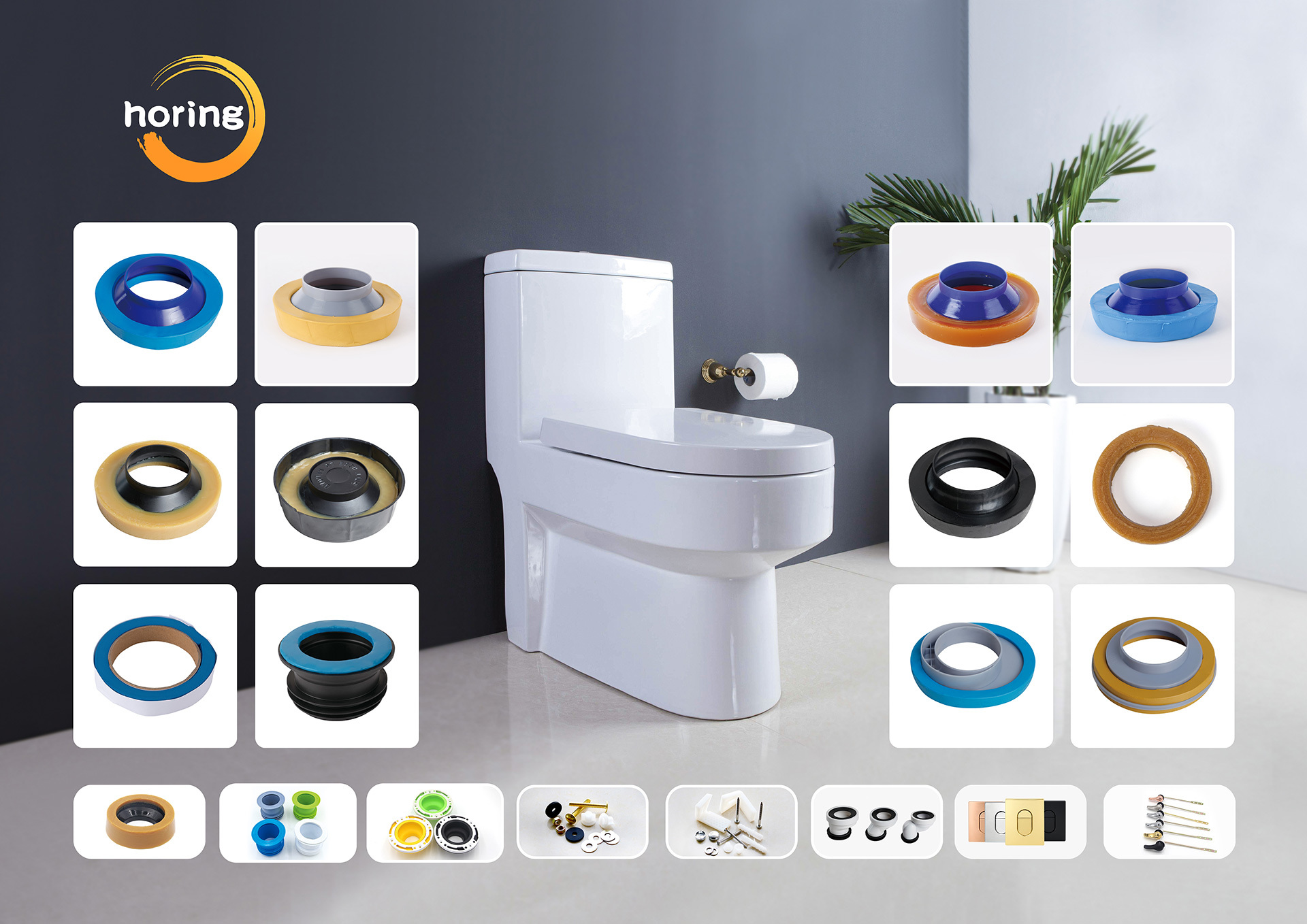
The WC Pan connector manufacturerChina, also known as a toilet pan connector, is a crucial component in your plumbing system. It connects the toilet to the soil stack or drainage system, facilitating the efficient removal of waste. Understanding its function and importance can help you appreciate how water pressure influences its performance.
Key Functions of WC Pan Connectors
WC pan connectors serve several vital functions:
- Waste Disposal: They ensure that waste is effectively transferred from the toilet to the drainage system.
- Preventing Leaks: A well-fitted WC pan connector minimizes the risk of leaks that can cause water damage.
- Support Structural Integrity: They maintain the position of the toilet, contributing to its stability.
How Water Pressure Affects Your WC Pan Connector
The relationship between water pressure and your WC pan connector is a critical one. Water pressure can directly impact the performance and longevity of the connector. Here’s how:
High Water Pressure: A Double-Edged Sword
While adequate water pressure is essential for effective flushing, excessively high water pressure can lead to several problems:
- Increased Wear and Tear: High pressure can cause the connector to wear out faster, leading to potential leaks.
- Joint Failures: Excessive force can compromise the connections, resulting in failure.
- Noise: High pressure can lead to banging pipes and other noise issues.
Low Water Pressure: The Silent Trouble
Conversely, low water pressure can also create complications:
- Inadequate Flushing: Low pressure can result in poor toilet performance, leading to clogs and backups.
- Longer Fill Times: A toilet may take longer to refill, causing inconvenience.
- Increased Water Usage: Users may flush multiple times, leading to higher water consumption.
Common Issues Related to Water Pressure
Understanding the common issues related to water pressure can help you identify problems with your WC pan connector early on. Here are a few issues to be aware of:
Water Hammer
Water hammer is a common issue caused by high water pressure. It occurs when a sudden stop in water flow causes pipes to vibrate and bang against supports. This can lead to damage over time, especially in connectors.
Leaking Connections
High water pressure can cause fittings to loosen or degrade, leading to leaks. Regular inspection is essential to catch these issues before they escalate.
Frequent Clogs
Low water pressure can contribute to clogs in your WC pan connector. If the pressure is too low, it may not create enough force to push waste through the pipes, resulting in blockages.
Testing the Water Pressure in Your Home
To address any issues with your WC Pan connector factory related to water pressure, the first step is testing the pressure in your home. Here’s how you can do it:
Using a Pressure Gauge
A water pressure gauge is a simple tool that can be attached to a faucet or hose bib. Follow these steps:
- Turn off all water sources in your home.
- Attach the pressure gauge to an outdoor faucet or hose bib.
- Open the faucet and read the pressure on the gauge.
Make sure the reading falls within the acceptable range of 40-80 PSI.
Evaluating Your Plumbing System
Consider having a professional plumber evaluate your plumbing system if you consistently experience issues related to water pressure. They can identify any underlying problems and recommend appropriate solutions.
Solutions for Water Pressure Issues
Once you’ve identified water pressure issues, it’s essential to take action. Here are some effective solutions:
Adjusting Pressure Regulators
If your home has a pressure regulator, ensure it is set correctly. A professional plumber can help adjust the regulator to maintain optimal pressure levels.
Inspecting and Replacing Old Pipes
Old, corroded, or damaged pipes can drastically affect water pressure. Replacing or repairing these pipes can restore proper pressure levels.
Regular Maintenance of WC Pan Connectors
Regularly inspect your WC pan connectors for wear and tear. Tighten any loose fittings and replace components as necessary to prevent leaks and maintain efficiency.
Maintaining Your WC Pan Connector
Proper maintenance of your WC pan connector can extend its lifespan and enhance its performance. Here are some tips:
Routine Inspections
Conduct routine inspections of your WC pan connector to check for any signs of wear, leaks, or damage. Early detection can save you time and money in repairs.
Cleaning the Area
Keep the area around your WC pan connector clean and free of debris. This helps prevent blockages and makes inspections easier.
Professional Servicing
Consider scheduling professional maintenance for your plumbing system at least once a year. A professional plumber can identify potential issues and provide solutions before they escalate.
Frequently Asked Questions (FAQs)
1. What is the ideal water pressure for a residential home?
The ideal water pressure for most residential homes ranges between 40 and 80 PSI.
2. How can I tell if my water pressure is too high or too low?
Signs of high water pressure include water hammer and leaking pipes, while low water pressure can cause poor flushing and slow filling times.
3. Can I fix water pressure issues myself?
While some minor adjustments can be made, it’s advisable to consult a professional plumber for significant water pressure issues.
4. How often should I inspect my WC pan connector?
It’s recommended to inspect your WC pan connector at least twice a year or more frequently if you notice any issues.
5. What should I do if I find a leak in my WC pan connector?
If you discover a leak, turn off the water supply immediately and contact a professional plumber for repairs.
Conclusion
Understanding the connection between water pressure and your WC Pan connector supply is crucial for maintaining a functional plumbing system. By recognizing how water pressure affects this vital component, you can proactively address issues, ensure efficient waste disposal, and prevent costly repairs. Regular inspections, proper maintenance, and timely solutions to water pressure problems will help you enjoy a reliable plumbing system for years to come.
Related News
Social Media

Contact Information
Add: No.28, Xinyuan Road, Jimei District, Xiamen, Fujian Province, China
Tel: 15960289358 (David)
Tel: 15980991191 (Bruce)
Email: Monica@horing-sanitary.com (Monica Lin)
Email: sales@horing-sanitary.com (David)
Email: sales1@horing-sanitary.com (Bruce)
All Rights Reserved © 2024 Xiamen Horing Sanitary Co.,Ltd .